
In the modern business landscape, IT infrastructure forms the backbone of organizational operations. Any disruption, whether due to system failures, performance issues, or cyber threats, can result in significant financial and operational setbacks. Remote Infrastructure Management (RIM) addresses these challenges by providing centralized, remote oversight of IT systems. At the heart of RIM lies proactive monitoring, a key practice that enables organizations to detect, prevent, and resolve issues before they escalate. Utilizing Remote IT Monitoring Solutions, businesses can maintain robust, efficient, and secure IT environments.
Understanding Proactive Monitoring in RIM
Proactive monitoring is the continuous observation of IT infrastructure components—such as servers, networks, storage, and applications—to identify potential issues in real time. Unlike reactive management, which addresses problems after they occur, proactive monitoring emphasizes prevention and early detection, ensuring minimal downtime and disruption.
Remote IT Monitoring Solutions enable IT teams to track system performance, detect anomalies, and receive alerts on potential threats or bottlenecks. This approach allows organizations to maintain seamless operations while optimizing resources and improving overall IT efficiency.
Key Benefits of Remote IT Monitoring Solutions
Implementing proactive monitoring through RIM provides multiple advantages, particularly in enhancing IT performance and operational resilience:
1. Reduced Downtime
Downtime can have severe consequences, including lost revenue, decreased productivity, and customer dissatisfaction. Remote IT Monitoring Solutions allow IT teams to identify and address potential failures before they impact business operations. Continuous system oversight ensures that any irregularities—such as server overloads or network congestion—are promptly mitigated.
2. Enhanced IT Security
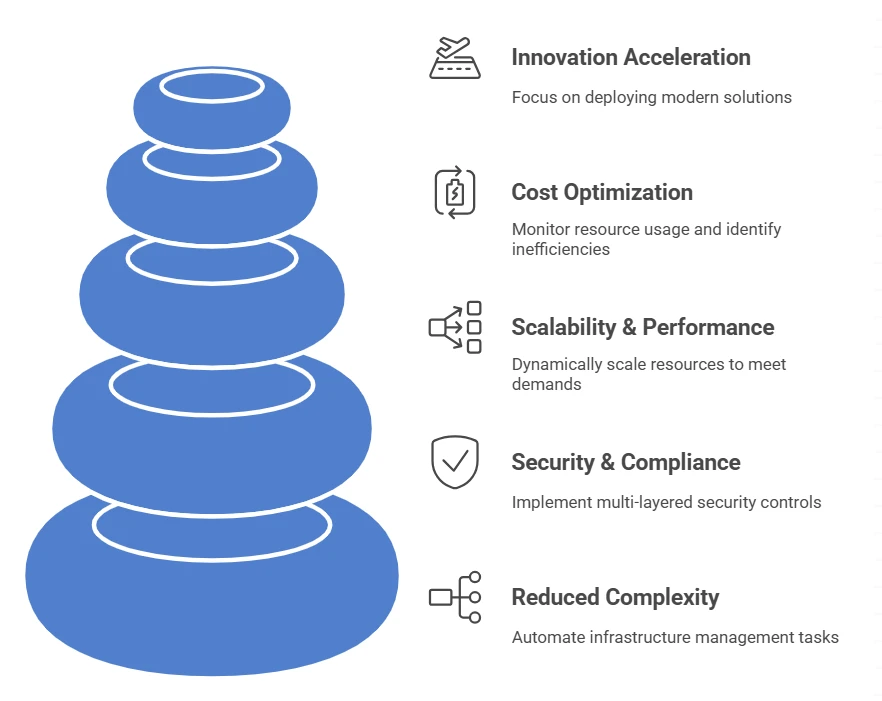
Cybersecurity threats are increasingly sophisticated, and even minor vulnerabilities can lead to significant breaches. Proactive monitoring helps detect suspicious activities, unauthorized access attempts, and potential security loopholes. By integrating automated threat detection, RIM ensures that security issues are addressed immediately, reducing the risk of costly data breaches.
3. Optimized Resource Utilization
Efficient management of IT resources is critical for cost optimization and performance improvement. Remote IT Monitoring Solutions track server loads, storage capacity, and network bandwidth, enabling IT teams to allocate resources intelligently. Proactive adjustments prevent over-provisioning, reduce energy consumption, and extend the life of IT assets.
4. Improved Compliance and Reporting
Many industries require adherence to strict regulatory standards, such as GDPR, HIPAA, or PCI DSS. Proactive monitoring tools generate detailed logs, performance reports, and security audit trails, ensuring that organizations remain compliant. Continuous monitoring simplifies the process of meeting regulatory requirements and reduces the risk of penalties.
5. Scalability and Flexibility
As businesses grow, IT infrastructure needs to scale efficiently. Remote IT Monitoring Solutions provide the flexibility to adapt resources dynamically. Whether expanding cloud services, integrating new applications, or adding devices to the network, proactive monitoring ensures seamless scalability without performance degradation.
Real-World Applications of Proactive Monitoring
Organizations across industries leverage Remote IT Monitoring Solutions to enhance IT operations:
- Healthcare: Hospitals monitor medical equipment, patient databases, and telemedicine systems to ensure uninterrupted services.
- Finance: Banks track transaction processing systems, online banking platforms, and cybersecurity measures to maintain reliability.
- Retail: E-commerce platforms use monitoring solutions to handle peak shopping seasons, inventory management, and online transactions efficiently.
- Manufacturing: Production systems, IoT devices, and supply chain networks are continuously monitored to prevent downtime and optimize performance.
Best Practices for Implementing Remote IT Monitoring Solutions
To maximize the impact of proactive monitoring in RIM, organizations should follow these best practices:
- Define Key Metrics: Identify critical performance indicators for servers, networks, applications, and security systems.
- Use Automated Alerts: Configure monitoring tools to send instant notifications for anomalies or performance dips.
- Regularly Update Monitoring Tools: Ensure that the monitoring system is up to date with the latest features, patches, and threat databases.
- Integrate with IT Operations: Align monitoring activities with IT service management processes for faster incident resolution.
- Review and Optimize: Continuously assess monitoring reports to identify patterns, optimize resources, and improve system performance.
Conclusion
Proactive monitoring is a cornerstone of effective Remote Infrastructure Management. By deploying Remote IT Monitoring Solutions, businesses can achieve continuous oversight of IT infrastructure, reduce downtime, optimize resources, and strengthen security.
As organizations increasingly rely on technology for business operations, proactive monitoring ensures that IT systems remain reliable, scalable, and efficient. Investing in these solutions not only enhances operational performance but also provides a strategic advantage by supporting growth, compliance, and business resilience.
With proactive monitoring as a key pillar of RIM, companies can transform their IT operations from reactive firefighting to a streamlined, strategic, and cost-effective system that drives business success.




























Sign in to leave a comment.