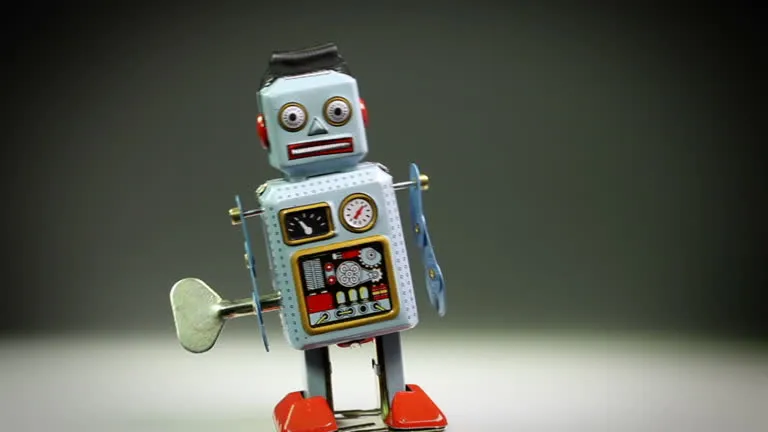

A robot toy can be much more than a childhood plaything. Some become treasured collectibles, sought-after display pieces, and even important snapshots of a particular era in technology and pop culture. But what separates an ordinary robot toy from one that collectors actively search for?
The answer is rarely just age or price. Factors such as rarity, condition, design, manufacturer, historical significance, functionality, packaging, and collector demand all play a role. For anyone starting a collection, understanding these factors can make buying decisions more informed and enjoyable. This guide explores what gives robot toys collectible appeal and how collectors can identify pieces worth preserving.
1. Rarity, Age and Historical Significance Matter
One of the biggest factors behind a robot toy's collectibility is rarity. Toys produced in limited quantities, discontinued shortly after release, or sold only in certain markets can become particularly desirable.
Age can also contribute to interest, especially when a toy represents an important stage in the development of robot toys. Vintage mechanical robots from the mid-20th century, for example, are appreciated not only for their appearance but also for their place in toy and technology history.
However, older does not automatically mean more valuable. A common vintage toy in poor condition may attract less interest than a newer model produced in a genuinely limited run.
Collectors should look for:
- Limited-production or discontinued models
- Unusual colourways or variations
- Early examples from notable manufacturers
- Toys connected to influential films, television shows, or characters
- Documented production history or original release information
2. Condition, Packaging and Originality Can Increase Appeal
Condition is another major consideration when evaluating collectible robot toys. A piece that retains its original paint, moving parts, accessories, and mechanical or electronic functions will generally have stronger collector appeal than a heavily damaged example.
Original packaging can be especially important. Boxes, instruction manuals, certificates, accessories, and promotional materials can provide evidence that the toy has remained complete over the years.
Collectors should be careful with restoration, too. While professional restoration can preserve a valuable toy, extensive modifications may reduce its appeal to collectors who prioritise originality.
Before buying, inspect the robot for:
- Missing parts or accessories
- Cracks, corrosion, or damaged mechanisms
- Repainted surfaces
- Replacement batteries or electronic components
- Original packaging and documentation
Taking photographs and researching comparable examples can also help establish a realistic assessment of condition.
3. Design, Demand and Cultural Connection Drive Collectability
A robot toy can become collectible because it simply looks distinctive. Futuristic shapes, unusual mechanical features, detailed sculpting, and innovative functions can give a model lasting visual appeal.
Cultural relevance can make an even bigger difference. Robot toys associated with popular franchises, iconic characters, or influential designers often attract collectors beyond the traditional toy market.
Demand is ultimately one of the strongest drivers. A rare toy is not necessarily highly desirable if few people want it. Conversely, a well-known robot with a strong collector community can remain popular for decades.
For new collectors, the best approach is to combine research with personal interest. Explore robot toy collections, study manufacturers and production periods, compare completed sales where reliable information is available, and learn which features collectors consistently value.
Conclusion
The most collectible robot toys usually combine several qualities rather than relying on a single factor. Rarity, condition, originality, design, historical importance, and long-term demand can all influence a toy's appeal.
For collectors, the smartest approach is to look beyond price and consider the story behind each piece.
- Research the toy's manufacturer, release period, and production history.
- Check condition carefully, including moving or electronic components.
- Preserve original packaging, accessories, and documentation whenever possible.
- Compare similar models before making a purchase.
- Collect pieces that genuinely interest you, not just those that appear expensive.
At Robotic Toys and Collectibles, discovering the history and character behind these fascinating pieces is part of the enjoyment. As robot toys continue to evolve, today's unusual designs could become tomorrow's nostalgic collectibles.






















Sign in to leave a comment.