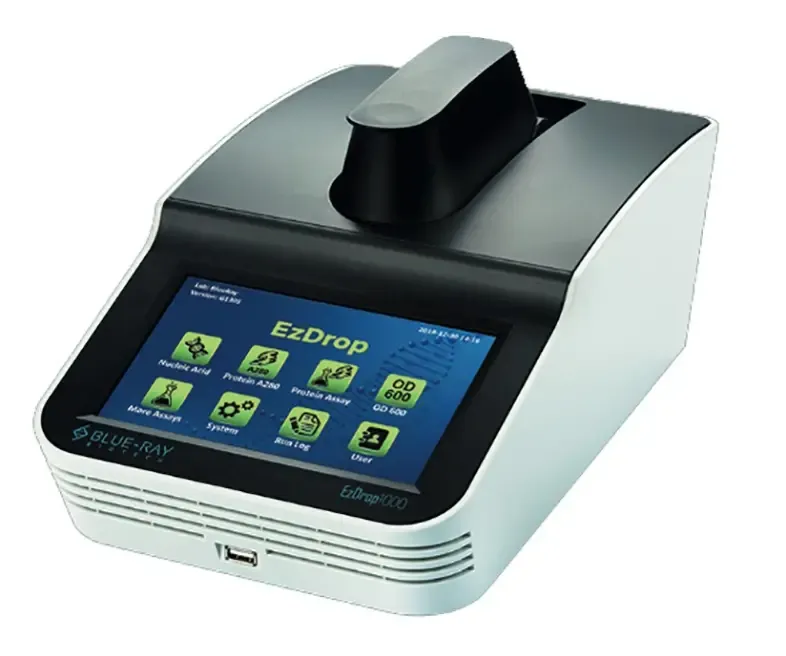

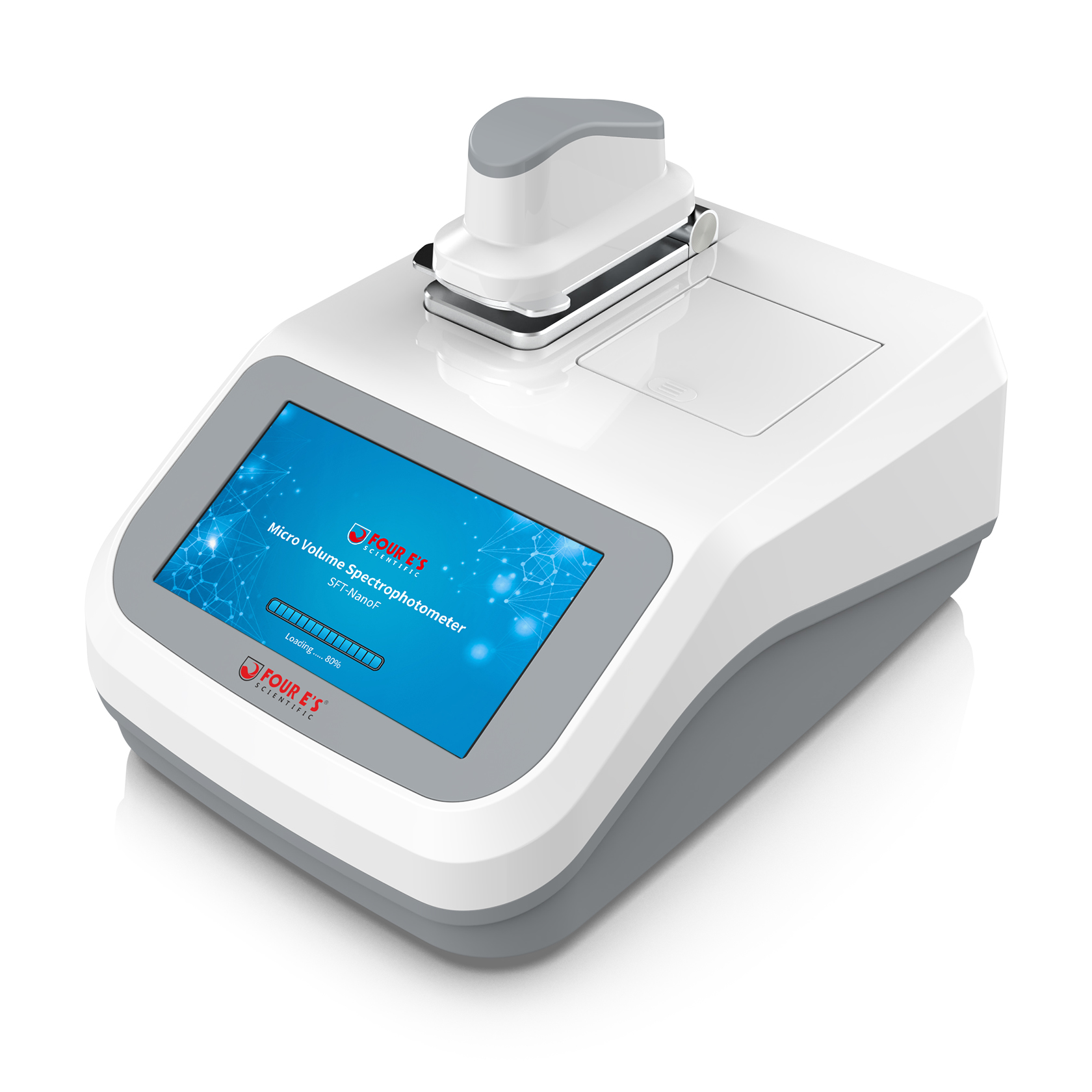
In modern laboratories, efficiency and accuracy are more important than ever. One of the most innovative tools supporting this demand is the microvolume spectrometer. Researchers and technicians working with limited sample quantities rely on advanced solutions like those found on berthold.com to achieve precise measurements without wasting valuable material.
What Are Microvolume Spectrometers?
Microvolume spectrometers are analytical instruments designed to measure the absorbance or concentration of substances using extremely small sample volumes—often as little as 1–2 microliters. Unlike traditional spectrophotometers that require cuvettes and larger sample sizes, these devices use direct sample placement on optical surfaces, making them faster and more efficient.
They are commonly used in fields such as molecular biology, chemistry, and biotechnology. Their primary purpose is to quantify nucleic acids (DNA/RNA), proteins, and other biomolecules with high accuracy while conserving precious samples.
How They Work
The working principle of microvolume spectrometers is based on UV-Vis absorbance. A small droplet of the sample is placed between two optical surfaces. Light passes through the sample, and the instrument measures how much light is absorbed at specific wavelengths.
Key steps include:
- Sample placement: A tiny drop is pipetted directly onto the measurement pedestal
- Optical path adjustment: The instrument automatically adjusts the path length based on sample concentration
- Measurement: Absorbance is recorded across a range of wavelengths
- Analysis: The system calculates concentration and purity ratios (e.g., A260/A280 for nucleic acids)
This process eliminates the need for dilution in many cases, saving both time and reagents.
Key Features and Advantages
1. Minimal Sample Requirement
One of the biggest advantages is the ability to work with very small volumes. This is especially useful when samples are scarce or expensive.
2. Fast Results
Measurements can typically be completed in just a few seconds, allowing for high-throughput workflows.
3. No Cuvettes Needed
Traditional spectrophotometers require cuvettes, which must be cleaned or replaced. Microvolume spectrometers remove this step, reducing maintenance and cost.
4. High Accuracy and Sensitivity
Despite the small sample size, these instruments provide reliable and reproducible results, making them suitable for critical research applications.
5. Easy Operation
Most models feature user-friendly interfaces, often with touchscreen controls and pre-programmed methods for common analyses.
Common Applications
Microvolume spectrometers are widely used across multiple scientific disciplines:
- DNA and RNA quantification: Essential for PCR, sequencing, and cloning workflows
- Protein analysis: Determining protein concentration using absorbance methods
- Cell culture monitoring: Measuring growth and viability indicators
- Chemical analysis: Assessing concentration and purity of compounds
Their versatility makes them a staple in both academic research labs and industrial settings.
Comparison with Traditional Spectrophotometers
| Feature | Microvolume Spectrometers | Traditional Spectrophotometers |
|---|---|---|
| Sample Volume | 1–2 µL | 1 mL or more |
| Preparation | Minimal | Often requires dilution |
| Speed | Very fast | Moderate |
| Consumables | None or minimal | Requires cuvettes |
| Ease of Use | High | Moderate |
While traditional instruments still have their place, especially for bulk measurements, microvolume spectrometers offer unmatched convenience for small-scale analysis.
Factors to Consider When Choosing One
When selecting a microvolume spectrometer, it’s important to evaluate your specific needs:
- Measurement range: Ensure it covers the wavelengths required for your applications
- Accuracy and reproducibility: Look for validated performance data
- Software capabilities: Advanced data analysis and export options can improve workflow
- Durability: Especially important for high-use laboratory environments
- Support and calibration: Reliable customer service and maintenance options matter
Choosing the right instrument can significantly impact the quality and efficiency of your research.
Limitations to Keep in Mind
Despite their advantages, microvolume spectrometers are not perfect:
- Lower throughput for large volumes: Not ideal for bulk measurements
- Surface contamination risk: Requires careful cleaning between samples
- Initial cost: May be higher compared to basic spectrophotometers
Understanding these limitations helps ensure proper usage and realistic expectations.
Future Trends in Microvolume Spectrometry
Technology continues to evolve, and microvolume spectrometers are becoming even more advanced. Some emerging trends include:
- Integration with cloud-based data systems
- Improved automation and robotics compatibility
- Enhanced sensitivity for ultra-low concentration detection
- Compact and portable designs for field use
These innovations will further expand their applications and accessibility in the coming years.
Conclusion
Microvolume spectrometers have revolutionized the way scientists analyze small sample volumes, offering speed, precision, and convenience. Their ability to deliver accurate results with minimal material makes them indispensable in modern laboratories. Whether you're working in research, diagnostics, or industrial applications, exploring reliable solutions like those available on berthold.com can help you maximize efficiency and achieve better outcomes in your work.

























Sign in to leave a comment.