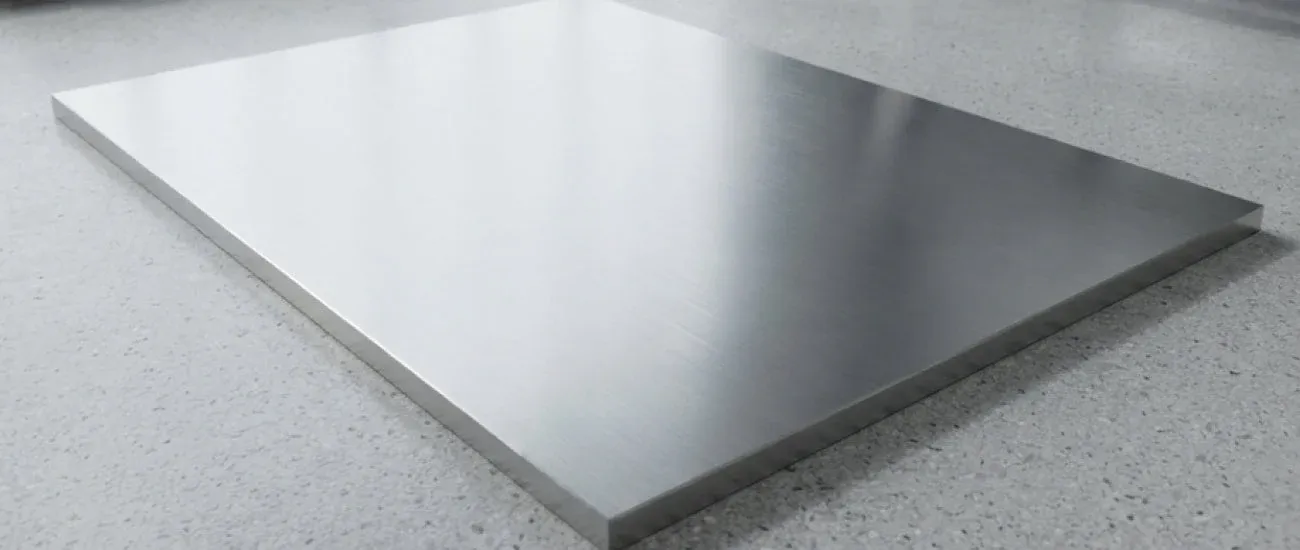

When buying steel for fabrication, construction, repairs, or manufacturing, mild steel sheet cost is rarely determined by one factor alone. The final price can vary depending on sheet thickness, dimensions, steel grade, quantity, processing requirements, and delivery.
For buyers, understanding these factors makes it easier to compare suppliers and select steel that provides the right balance of quality and value. Ezy Steel supplies mild steel sheets and plates in various thicknesses and sizes, making it easier to source steel for different project requirements.
What Is Mild Steel Sheet?
Mild steel is a low-carbon steel commonly used for fabrication, engineering, construction, machinery, repairs, and general manufacturing. It is valued for its combination of strength, workability, weldability, and versatility.
Mild steel sheets are available in different thicknesses and dimensions. For example, Ezy Steel offers mild steel sheet and plate options from 1 mm through 16 mm in a 380 mm × 300 mm format, with the material manufactured from HA250/250 grade mild steel.
The right sheet depends on how the material will be used. A lightweight fabrication project may require a thinner sheet, while structural or heavy-duty applications may require substantially thicker plate.
What Determines Mild Steel Sheet Cost?
1. Sheet Thickness
Thickness is one of the most important factors affecting the cost of mild steel sheets.
Thicker sheets require more steel material, which generally increases the weight and overall price of each piece. For example, a 5 mm sheet will typically weigh considerably more than a 2 mm sheet of the same dimensions.
Ezy Steel's 380 mm × 300 mm mild steel sheets range from 1 mm to 16 mm, with listed weights increasing from approximately 1 kg for 1 mm material to 14.3 kg for 16 mm material.
This is why buyers should select the minimum suitable thickness for their application rather than automatically choosing the thickest option.
2. Sheet Size
The physical dimensions of a steel sheet also influence its cost.
A larger sheet contains more material and weighs more, so its purchase price will generally be higher than a smaller piece of the same thickness and grade.
However, buying a larger standard sheet can sometimes provide better value per unit of material than purchasing multiple small pieces. The best choice depends on your project dimensions, cutting requirements, storage capacity, and amount of waste.
3. Steel Grade
Not all mild steel products have identical specifications. Grade can affect mechanical properties, suitability, certification requirements, and ultimately price.
For example, Ezy Steel's listed mild steel sheet/plate is made from HA250/250 grade mild steel.
When comparing prices, it is important to compare products with equivalent grades and specifications. A cheaper sheet may not provide the same properties or suitability for a particular application.
4. Hot Rolled vs Cold Rolled Steel
The manufacturing process can also influence cost.
Mild steel sheets may be supplied as hot rolled or cold rolled material depending on thickness, application, and required finish. Ezy Steel's smaller sheet range, for example, includes a 1 mm cold rolled option and thicker options identified as hot rolled.
Cold rolled steel can offer a smoother surface and tighter dimensional characteristics, while hot rolled steel is widely used where surface appearance is less critical and strength and fabrication are the main considerations.
Therefore, buyers should select the processing method based on the project's actual requirements rather than price alone.
Does Quantity Affect Mild Steel Sheet Cost?
Yes. The quantity you purchase can influence the overall value of your order.
If a project requires several sheets, buying multiple pieces or larger quantities may provide advantages compared with purchasing individual small pieces. Suppliers may also offer different pricing for larger orders.
However, ordering more steel than necessary can increase storage costs and create unnecessary material waste. It is better to calculate the required quantity carefully before placing an order.
For larger quantities or custom sizes, Ezy Steel recommends contacting the supplier directly to discuss requirements.
Cutting and Custom Sizes Can Affect the Price
A standard sheet may not always fit your project exactly. If you require a particular length or width, cutting or fabrication services can add to the total cost.
Laser cutting, guillotine cutting, drilling, profiling, and other processing requirements can affect the final price.
Ezy Steel's mild steel sheet product is laser cut and notes that customers can contact the company regarding larger quantities or custom sizes.
For projects requiring several different components, it can be useful to compare the cost of purchasing standard sheets against ordering material cut to size.
Mild Steel Sheet Cost vs Cost Per Kilogram
Another way buyers may compare steel pricing is by considering the cost per kilogram.
Because thicker and larger sheets weigh more, comparing only the price of individual sheets can sometimes be misleading. Looking at the material weight and dimensions can help you understand the relative value of different products.
For example, Australian steel reference tables commonly provide plate information by thickness, width, length, and weight, demonstrating how significantly sheet weight changes as thickness increases.
Still, cost per kilogram should not be the only consideration. Grade, finish, cutting, availability, freight, and suitability for the application can all affect the true value of the purchase.
How to Get Better Value When Buying Mild Steel Sheets
You do not necessarily need the cheapest sheet to achieve the lowest project cost. Instead, consider the total value.
Here are several practical approaches:
- Choose the correct thickness for the application.
- Compare equivalent steel grades.
- Check sheet dimensions before comparing prices.
- Consider standard sizes to reduce cutting costs.
- Calculate how much material your project actually needs.
- Ask about quantity pricing for larger orders.
- Consider delivery and freight charges.
- Check whether cutting or custom sizing is available.
- Compare both material quality and price.
Common Applications of Mild Steel Sheets
Mild steel sheets are used across many industries because they are versatile and relatively easy to fabricate.
Common applications include:
- General fabrication
- Machinery repairs
- Automotive repairs
- Manufacturing
- Construction projects
- Brackets and supports
- Metal enclosures
- Workshop projects
- DIY fabrication
- Engineering applications
Ezy Steel specifically lists car repair, machinery repair, general fabrication, manufacturing, and home DIY among the applications for its mild steel sheet product.
Choose the Right Mild Steel Sheet for Your Project
Understanding mild steel sheet cost involves more than looking at the price displayed for a single sheet. Thickness, size, grade, manufacturing process, quantity, cutting requirements, and delivery can all contribute to the final amount you pay.
The best approach is to first determine your project's technical requirements and then compare products with matching specifications. This helps prevent paying for unnecessary material while ensuring the steel is suitable for the intended application.
With a range of sheet and plate options available, Ezy Steel can be a practical option for customers looking for mild steel products for fabrication, repairs, manufacturing, and other applications. Its current online range includes mild steel sheet and plate products in multiple thicknesses and sizes.

























Sign in to leave a comment.