
Overview of Mindfulness
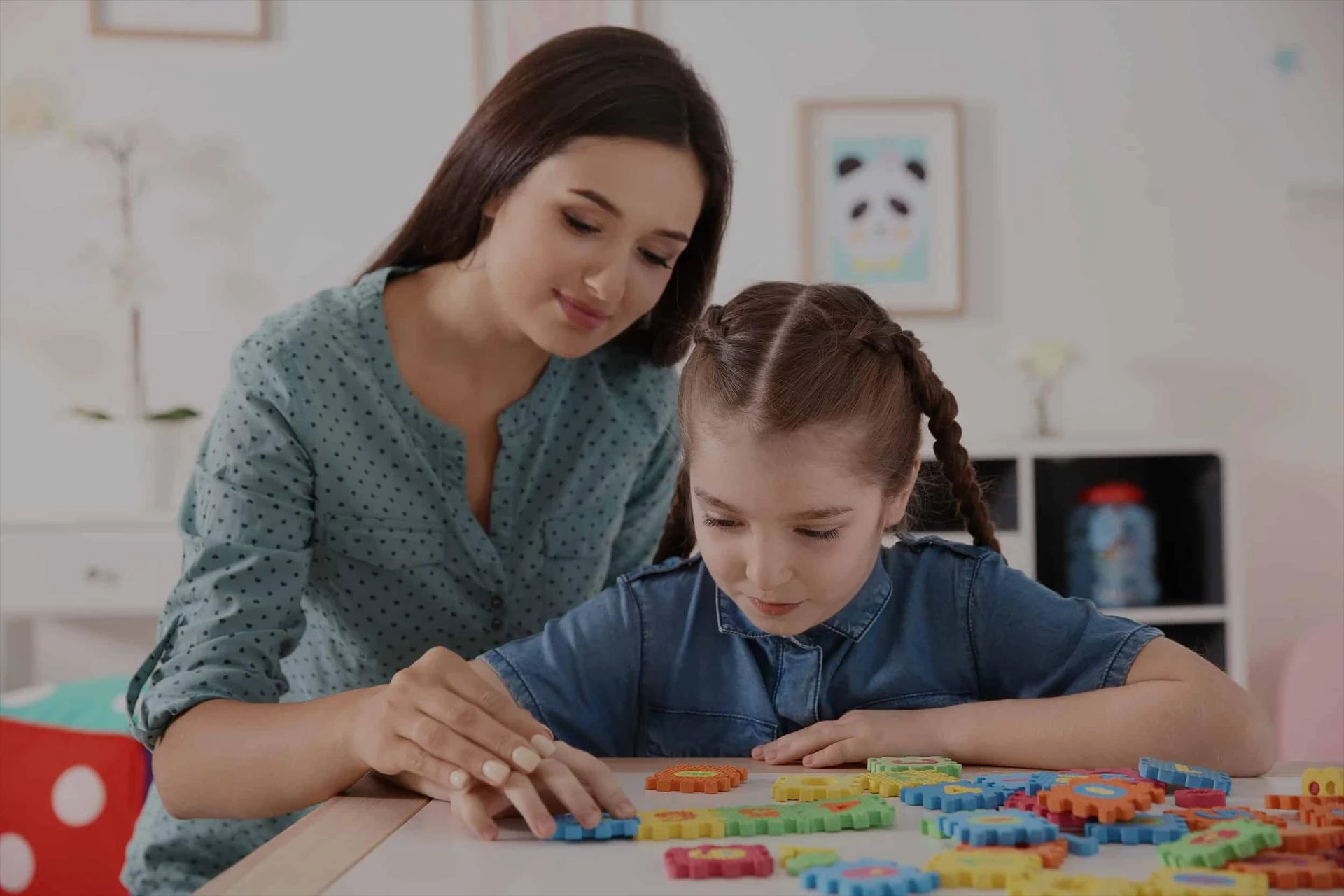
Mindfulness is focusing one’s attention on the present moment, fostering awareness and acceptance without judgment. For children with ASD (autism spectrum disorder), mindfulness offers a powerful tool to support emotional regulation and reduce anxiety. By encouraging a calm and centered mindset, mindfulness can help children handle overwhelming situations and manage their emotions more effectively. Parents and professionals often integrate mindfulness into daily routines or therapy sessions that focus on autism sensory integration san jose (or relevant area). This practice benefits children and supports families in creating a peaceful and harmonious home environment. The structured and intentional nature of mindfulness complements other therapeutic strategies that may be used in your autism group san jose.
Simple Mindfulness Practices for Children with ASD
Incorporating mindfulness into daily life is uncomplicated and becomes easier with more practice. Below are a few practical exercises that families can use:
Breathing Techniques: Breathing exercises are a major part of mindfulness and can help children manage stress and refocus their energy:
- Belly Breathing: Encourage your child to place their hands on their stomach and take slow, deep breaths, feeling their belly rise and fall.
- Counting Breaths: Guide your child to inhale for a count of four, hold for two, and exhale for six. This rhythmic breathing can ‘trick’ one’s body into a state of calm.
Guided Imagery: Visualization exercises help children create mental images of calming and happy places:
The Safe Place Exercise: Ask your child to close their eyes and imagine a safe, comforting place. Encourage them to describe it in detail, focusing on colors, sounds, and textures.
- Cloud Watching: Guide your child to visualize their worries as clouds drift away in the sky.
Mindfulness Games: Games can make mindfulness engaging and fun for children and may encourage them to participate.
Five Senses Exercise: Encourage your child to identify one thing they see, hear, feel, smell, and taste. This helps to ground them in the present moment.
- Body Scan Game: Lead your child in a slow scan of their body, focusing on different parts and noticing any sensations.
These exercises are simple yet effective tools that families can practice together, reinforcing emotional awareness and self-regulation.
Benefits for the Whole Family
Mindfulness practices benefit the individual, and can also bring the entire family closer. When parents and siblings participate in mindfulness activities, they create a shared sense of calm and understanding. This can be a great way for families to complement their child’s therapy program that focusses on autism sensory integration in San Jose.
How Mindfulness Supports Families:
- Reduces Stress: Mindfulness helps parents manage the challenges of caregiving, promoting patience and resilience.
- Improves Communication: Mindfulness encourages open and empathetic family interactions by fostering awareness and nonjudgmental listening.
- Enhances Bonding: Shared mindfulness practices, such as family breathing sessions or guided imagery, create opportunities for connection and support.
- Builds Emotional Resilience: Siblings practicing mindfulness can better understand and navigate their emotions, fostering harmony in sibling dynamics.
Specialists running your family’s autism group in San Jose will likely encourage family participation, highlighting the importance of collective well-being in supporting children with ASD, making mindfulness at home an excellent practice to implement.
Tips for Incorporating Mindfulness Into Daily Life
Below are some practical tips to make mindfulness a regular part of your family’s routine:
- Start Small: Begin with short, manageable sessions—even just five minutes a day—to build consistency without overwhelming your child (or other family members).
- Choose the Right Time: Introduce mindfulness activities at a time when your child is naturally calm, such as before bedtime or after a meal.
- Use Visual Cues: Create a visual schedule or use apps to remind your child about mindfulness practice. Tools used in their sessions at their autism group in San Jose can inspire these strategies.
- Be a Role Model: Practice mindfulness yourself to set an example. Children are likelier to engage when they see parents and other family members participating.
- Celebrate Progress: Acknowledge your child’s efforts and celebrate small victories to motivate them.
Integrating Mindfulness With Other Therapies
Mindfulness can complement other therapeutic approaches, such as Applied Behavior Analysis (ABA) or sensory integration therapy. For families participating in therapy for ASD, mindfulness can reinforce the skills learned during sessions. Children can build emotional resilience and develop tools to navigate daily challenges by combining mindfulness with structured therapies.



























Sign in to leave a comment.