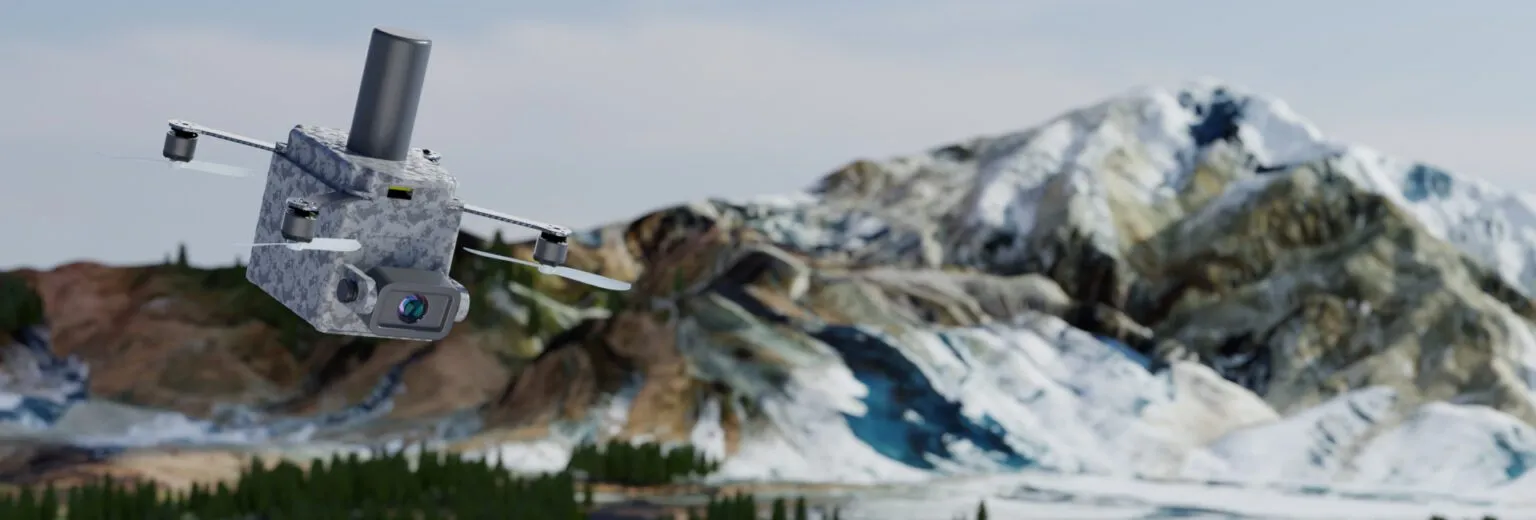

India's energy future is being built on two foundations whose strategic importance to the country's economic growth, energy security, and climate commitments cannot be overstated. Nuclear power — providing reliable, low-carbon baseload generation capacity that operates continuously regardless of weather conditions — and solar energy — the abundant, scalable, and increasingly competitive renewable technology that India is deploying at a pace and scale that is reshaping its electricity generation mix more rapidly than any previous energy programme — are together defining the trajectory of India's power sector transformation for the decades ahead.

The scale of India's commitment to both energy pathways is extraordinary. Fourteen nuclear power reactors currently operating across seven plant sites generate essential baseload electricity for the national grid, with ten additional reactors under active construction and an ambitious long-term programme targeting a substantial expansion of nuclear generating capacity as part of India's energy security and climate strategy. Simultaneously, India's solar energy deployment — driven by the target of five hundred gigawatts of renewable energy capacity by 2030 — is placing millions of photovoltaic panels across solar parks, rooftop installations, and distributed generation projects whose combined geographic footprint represents one of the largest clean energy infrastructure programmes in human history.
Managing, maintaining, and monitoring this energy infrastructure — ensuring that every nuclear reactor component operates within the safety parameters that protect workers, communities, and the environment, and that every solar panel in every installation delivers its maximum rated energy output throughout its operational life — is an asset management challenge of extraordinary technical complexity and operational consequence. In 2026, the mini drone is emerging as one of the most transformative technologies available for addressing both dimensions of this energy inspection challenge — bringing autonomous aerial intelligence, remote sensing capability, and AI-powered defect detection to energy infrastructure environments where conventional inspection methods involving human personnel face their most severe limitations.
India's drone market is experiencing remarkable momentum as unmanned aerial systems transition from experimental applications to mission-critical infrastructure — with declining hardware costs combined with improving battery technologies and AI integration enabling applications previously constrained by economic or technical limitations. Energy inspection represents precisely the kind of demanding, high-consequence application domain where these converging technology improvements are unlocking capabilities of genuine and immediate operational value.
Airbotix Technology, with its foundational expertise in autonomous navigation algorithms, AI-powered data analytics, and indigenous high-performance unmanned system design, is developing the aerial intelligence platforms that are enabling India's energy sector to realise the full potential of this transformation across both nuclear and solar application domains.
Nuclear Facility Inspection: Safety Through Remote Aerial Intelligence
Nuclear power plant inspection presents the most demanding combination of technical requirements and safety constraints in any industrial inspection environment. The ionising radiation present in and around nuclear reactor buildings, spent fuel storage facilities, and radioactive waste management areas creates occupational exposure risks that regulatory frameworks address through strict dose limits — limits that constrain the duration and frequency of human inspector presence in radiation-controlled areas and create fundamental constraints on the thoroughness and frequency of manual inspection programmes.
The mini drone addresses these radiation exposure constraints directly by providing a remotely operated inspection capability that eliminates the need for human inspector presence in radiation-controlled environments during the inspection itself. A mini drone equipped with radiation-hardened electronics, high-resolution cameras, and environmental sensor payloads can navigate the interior spaces of nuclear facility buildings — reactor containment structures, spent fuel pond halls, radioactive material processing facilities, and active maintenance areas — conducting detailed visual and thermal inspection of structural components, mechanical systems, and installed equipment without exposing human workers to the radiation doses that equivalent manual inspection would require.
The structural inspection applications of mini drone technology within nuclear facilities span the full range of condition monitoring that maintains the structural integrity and operational safety of complex, multi-system plants over their designed operational lifetimes. Containment structure visual inspection — identifying concrete surface cracking, spalling, moisture staining, and repair condition — is one of the highest-consequence inspection activities in nuclear facility management, because containment structural integrity is a fundamental safety function whose compromise could affect the ability of the plant to contain radioactive materials in accident scenarios. A mini drone conducting systematic visual inspection of containment structure interior surfaces generates a photographic and geometric condition record of the entire inspected surface area with a completeness and spatial resolution that human inspection from scaffolding or rope access cannot practically achieve during the limited operational windows that nuclear outage schedules provide.
For spent fuel storage inspection — where the visual monitoring of fuel assembly condition, pond water clarity, and structural integrity of storage racks requires observation at significant depth in a high-radiation aquatic environment — mini drone systems adapted for underwater or near-surface operation provide the remote observation capability that protects inspection workers from the radiation exposure that proximity to stored spent fuel would otherwise create.
Radiation Monitoring and Environmental Compliance
Beyond structural and mechanical inspection, the mini drone equipped with radiation detection payloads provides an aerial environmental monitoring capability that transforms how nuclear facility operators characterise and manage the radiation environment across their plant sites. Conventional radiation monitoring programmes rely on fixed monitoring stations deployed at specific locations around the plant boundary — stations that provide continuous measurements at their specific locations but cannot capture the spatial distribution of radiation across the plant site with the resolution that effective radiation environment management requires.
A mini drone conducting systematic radiation survey flights across a nuclear plant site generates a spatially continuous map of radiation levels across the entire survey area — identifying localised radiation anomalies that fixed monitoring stations may not detect, characterising the spatial gradient of radiation dose rates across the plant boundary, and providing the comprehensive environmental monitoring data that regulatory compliance and public information requirements demand. AI analysis of sequential radiation survey datasets identifies trends in radiation environment characteristics over time — detecting the early indications of developing contamination conditions before they reach levels that require operational response — and generates the spatial analytics that support the radiation protection planning decisions that nuclear facility operators make continuously throughout the operational life of their plants.
Solar Array Inspection: Maximising Renewable Energy Output
India's solar energy infrastructure presents an inspection challenge that is in many respects the photovoltaic mirror image of the nuclear inspection problem — not the concentrated, high-consequence, access-constrained environments of nuclear facilities, but the distributed, geographically vast, and individually low-consequence environments of solar parks where the aggregate performance impact of uninspected or poorly maintained panels across millions of installed modules can represent enormous losses in renewable energy output over the operational life of the installations.
A utility-scale solar park in Rajasthan or Gujarat — covering thousands of hectares with millions of individual solar panels — cannot be effectively inspected through manual methods at the frequency that performance optimisation demands. A maintenance technician walking between panel rows inspects a limited number of modules per hour and cannot detect the subtle thermal signatures of underperforming cells that indicate early-stage failure conditions invisible to visual observation. The result of inadequate inspection frequency is the gradual accumulation of performance losses across the solar array — individual panel failures, soiling accumulation patterns, shading condition developments, and inverter-level performance issues — that collectively reduce the energy output of the installation below its rated capacity without triggering the alarm thresholds of monitoring systems designed to detect complete string or inverter failures rather than the gradual performance degradation that individual panel condition deterioration creates.
The mini drone equipped with thermal imaging sensors provides the panel-level performance monitoring that transforms solar array maintenance from a calendar-driven, spot-check-based programme into a continuously data-driven, condition-responsive operation. Flying systematic survey patterns above a solar park at low altitude, a mini drone generates a comprehensive thermal map of the entire array in a single inspection operation — identifying hotspots that indicate cell failure, bypass diode activation, soiling accumulation, module cracking, and connection degradation with spatial precision that locates affected panels to within centimetres of their actual position in the array. AI-powered analysis of this thermal survey data automatically classifies detected anomalies by type and severity, generates a prioritised maintenance work list that directs technicians to specific panels requiring attention, and produces the trend analysis across sequential surveys that reveals the temporal progression of panel performance degradation — enabling predictive replacement scheduling that optimises the economic performance of the solar asset across its full operational life.
Soiling Analysis and Cleaning Optimisation
Solar panel soiling — the accumulation of dust, bird droppings, pollen, and other particulate matter on panel surfaces that reduces light transmission and lowers energy output — is one of the most significant and most manageable sources of solar energy performance loss in India's dusty climate conditions. The optimal scheduling of panel cleaning operations — balancing the energy losses caused by soiling against the water consumption, labour cost, and mechanical wear associated with cleaning — requires knowledge of the spatial distribution of soiling across the array and its rate of accumulation over time that conventional maintenance scheduling based on calendar intervals or ambient dust monitoring cannot provide with adequate precision.
Mini drone multispectral surveys of solar arrays provide the soiling distribution mapping that enables data-driven cleaning optimisation — identifying the specific sections of the array where soiling has accumulated to levels that justify immediate cleaning intervention, distinguishing these areas from sections whose soiling level does not yet warrant the resource expenditure of cleaning, and tracking the temporal rate of soiling accumulation that informs the cleaning interval scheduling for different zones of the array under different seasonal and meteorological conditions. This targeted, evidence-based cleaning optimisation can significantly improve the economic efficiency of solar maintenance operations while improving the energy output of the installation — delivering better performance with lower maintenance resource consumption through the precision that aerial intelligence enables.
Wind Turbine Integration: Completing India's Renewable Inspection Picture
India's wind energy sector — concentrated along the coastal and elevated terrain corridors of Tamil Nadu, Gujarat, Rajasthan, Maharashtra, and Karnataka — adds a third dimension to the mini drone's contribution to India's renewable energy inspection ecosystem. Wind turbine blade inspection through conventional rope access or ground-based binocular observation is constrained by the access difficulty, height, and operational disruption that these methods require. A mini drone conducting autonomous close-range blade inspection surveys captures detailed imagery of blade surfaces — detecting leading edge erosion, lightning strike damage, surface cracking, and delamination conditions — with the spatial resolution and observational completeness that informs targeted blade maintenance scheduling before developing damage conditions progress to the structural failures that require expensive complete blade replacement.
The Aerostatic Drone as the Energy Facility Coordination Platform
For large energy facility complexes — multi-unit nuclear power plant sites and utility-scale solar parks covering thousands of hectares — the mini drone's targeted inspection capability needs to be complemented by a persistent wide-area observation platform that maintains continuous surveillance of the entire facility footprint between scheduled inspection operations. The aerostatic drone fulfils this persistent facility monitoring role — hovering at altitude above the energy complex and maintaining continuous observation of operational conditions, security perimeters, environmental indicators, and maintenance activity across the full extent of the facility throughout operational and maintenance periods.
An aerostatic drone deployed above a nuclear plant site provides plant security and operations management with continuous aerial observation of the facility — detecting unauthorised access attempts, monitoring the progress of maintenance activities in radiation-controlled areas from a safe standoff distance, and providing the persistent situational awareness that supports the coordinated management of complex multi-team outage maintenance operations. For solar parks, the aerostatic drone's persistent overhead observation provides the continuous soiling and shading condition monitoring that complements scheduled mini drone thermal survey operations — detecting new shading sources, monitoring the development of dust storm soiling events in real time, and providing the continuous operational overview that large solar park management requires.
Airbotix's aerostatic drone platforms are engineered for deployment in demanding energy facility environments — combining advanced optical and thermal sensor payload capability with the operational endurance and reliability that continuous energy facility monitoring demands.
Atal DrishTI Tactical Aerostat: Securing India's Critical Energy Infrastructure
India's nuclear power facilities and major solar parks represent critical national infrastructure whose security monitoring requirements extend beyond commercial facility surveillance into national security — given that their disruption would affect national grid stability, energy security, and in the case of nuclear facilities, could have consequences whose severity demands the most robust available protection. The Atal DrishTI Tactical Aerostat — Airbotix's indigenously developed tethered aerostat surveillance platform — provides the persistent, wide-area, defence-grade aerial security monitoring that critical energy infrastructure protection demands.
Deployed above nuclear plant sites or major solar installation complexes, the Atal DrishTI Tactical Aerostat maintains continuous surveillance from elevated altitude — its AI-assisted sensor fusion architecture detecting, classifying, and tracking all activity within the protected area and its surrounding security zone in real time. Its jam-resistant tethered data link ensures that this critical security monitoring capability remains continuously available regardless of attempted electronic disruption — an essential resilience requirement for the security infrastructure protecting India's most sensitive energy facilities. Its indigenous development by Airbotix in alignment with India's Atmanirbhar Bharat manufacturing philosophy ensures that the security of India's critical energy infrastructure is entrusted to systems built entirely within India — designed for Indian energy security requirements and maintained without dependence on foreign technology providers.
From Energy Inspection to Celebratory Skies
The radiation-hardened autonomous navigation, thermal imaging precision, and AI-powered defect detection that make the mini drone a transformative energy infrastructure inspection tool are the same engineering capabilities that produce Airbotix's spectacular aerial entertainment experiences. The thermal mapping accuracy that enables a mini drone to identify a failing solar cell within a million-panel array also enables hundreds of mini drones to maintain exact formation positions during a drone show for wedding celebration or a drone show for event production.
Airbotix's drone show for wedding services deploy precisely coordinated mini drone formations to create personalised aerial displays above marriage celebrations — names, cultural symbols, and animated sequences rendered in light that transform wedding nights into experiences of luminous beauty and lasting personal meaning. The operational precision and complete reliability of a drone show for wedding performance reflect exactly the same engineering standards that govern every energy facility inspection mission and nuclear safety monitoring deployment.
For a drone show for event production — national festivals, corporate launches, public celebrations, and large-scale entertainment events — Airbotix's mini drone formations bring world-class indigenous aerial engineering excellence to audiences across India. Every drone show for event performance is simultaneously a spectacular public celebration and a demonstration that the technology keeping India's nuclear reactors safe and its solar farms performing at maximum efficiency is built by Indian engineers to the standards of precision and reliability that India's energy future deserves.
India's Energy Future, Inspected and Protected from Above
India's nuclear and solar energy programmes represent the twin pillars of an energy future that must simultaneously deliver reliable baseload power, affordable clean electricity, energy independence, and climate accountability across a national scale of extraordinary complexity. Managing the physical assets that embody this energy future — inspecting them thoroughly, monitoring them continuously, and protecting them securely — is a responsibility that the mini drone is helping India's energy operators meet with greater effectiveness, greater safety, and greater intelligence than any previous generation of inspection technology has enabled.
Airbotix Technology is committed to developing the indigenous aerial intelligence platforms that will define India's energy inspection future — from agile autonomous mini drone inspection systems to persistent aerostatic drone facility monitoring platforms and the strategic security intelligence of the Atal DrishTI Tactical Aerostat.
India's energy infrastructure is powering the nation forward. The mini drone is ensuring it does so safely, efficiently, and with the full intelligence of the most capable aerial inspection systems ever deployed.
Learn more about Airbotix's unmanned systems and aerial solutions at www.airbotix.in

























Sign in to leave a comment.