

Not all bone injuries involve dramatic breaks or emergency treatment. Many people in the United States experience bone-related pain that disrupts daily life without ever being diagnosed as a fracture. These injuries are often described as “minor,” yet their impact on mobility, comfort, and productivity can be significant. Stress fractures, bone bruises, and post-impact bone pain are common examples of injuries that may not look serious on the surface but frequently require time away from work or school to heal properly.
Understanding these conditions helps individuals take symptoms seriously, avoid worsening injury, and allow the body the time it needs to recover. Minor bone injuries are real injuries, even when imaging appears normal or symptoms develop gradually.
Why Minor Bone Injuries Are Often Overlooked
Bone injuries that do not involve a visible break are easy to underestimate. Many people assume that if they can still walk or move, the injury must be insignificant. In reality, bones can sustain internal damage that causes deep, persistent pain without obvious outward signs.
Bones are living tissues filled with nerves and blood vessels. When stressed or impacted, they respond with inflammation and internal swelling. This response can interfere with normal movement and make routine tasks uncomfortable or unsafe. Because these injuries often worsen with continued activity, pushing through pain can extend recovery time.
In busy work or academic environments, people may delay rest, only to find that symptoms intensify and disrupt responsibilities further.
Stress Fractures: Small Cracks With Big Impact
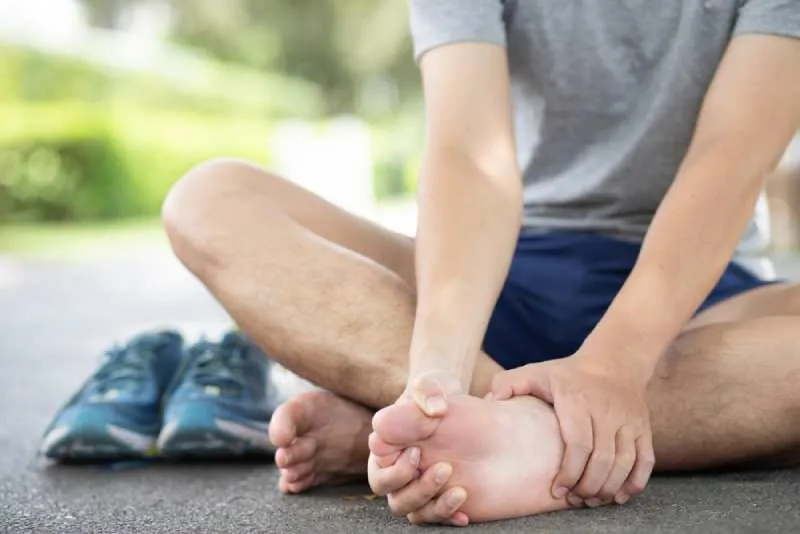
Stress fractures are tiny cracks in the bone caused by repetitive force rather than a single traumatic event. They are especially common in the feet, lower legs, hips, and lower back. Activities involving repeated impact — such as prolonged standing, walking, running, or physically demanding work — can gradually overload bone tissue.
Unlike sudden fractures, stress fractures often begin with mild discomfort that worsens over time. Pain may initially appear only during activity but can progress to constant aching. Swelling and tenderness may also develop, particularly after long periods on the feet.
Because stress fractures may not appear on early X-rays, diagnosis is sometimes delayed. During this time, continued activity can worsen the injury, making time off essential for proper healing. For students, an online doctor’s note for school may help support necessary academic accommodations during recovery.
Bone Bruises and Internal Bone Trauma
Bone bruises, also known as bone contusions, occur when bone tissue is injured without cracking. They often result from falls, sports collisions, or sudden impacts where the force is absorbed by the bone. While the outer structure remains intact, the internal marrow experiences bleeding and swelling.
Bone bruise pain is typically deep and aching. It may worsen with pressure, weight-bearing, or movement and can last weeks or even months. Because standard X-rays do not detect bone bruises, individuals are often told there is “no break,” which can feel confusing when pain persists.
Despite their name, bone bruises are not superficial injuries. They frequently require reduced activity and rest to prevent prolonged discomfort. In work settings, this may justify a short-term absence supported by an online sick note for work.

Post-Impact Bone Pain Without Fracture
A direct impact to a bone — such as hitting a knee, elbow, or hip during a fall — can cause lingering pain even when no fracture is present. This post-impact bone pain results from compression and microscopic stress within the bone structure.
Symptoms often include localized tenderness, stiffness, and pain that intensifies with movement. Unlike muscle bruises, bone pain tends to feel deeper and may take longer to resolve. The discomfort can interfere with tasks that require standing, lifting, or repetitive movement.
Post-impact bone pain is a common reason people need temporary adjustments to work or school schedules, even though the injury is considered minor.
Why Time Off Is Often Necessary
Minor bone injuries heal through a gradual process of tissue repair. Continued stress on the affected area can interrupt this process and prolong pain. Rest allows inflammation to subside and bone tissue to rebuild strength.
Time off does not always mean complete inactivity, but it often involves avoiding high-impact or physically demanding tasks. For many individuals, this is not compatible with their job or academic environment, making temporary leave the most responsible option.
A doctor’s note for work online can help communicate the need for short-term recovery without escalating concerns unnecessarily.
Functional Limitations and Daily Life
Even minor bone injuries can significantly affect daily function. Walking long distances, standing for extended periods, or carrying weight may become painful. Sitting for long periods can also increase stiffness and discomfort, particularly when involving the lower back or hips.
These limitations can reduce productivity and increase the risk of further injury if ignored. Recognizing when pain interferes with safe performance is critical for preventing more serious outcomes.
The Role of Documentation in Recovery
Because minor bone injuries are often invisible, others may underestimate their impact. Proper documentation helps clarify that time off is medically appropriate, even when no fracture is present.
A real doctor’s note online supports transparency and allows individuals to focus on healing rather than explaining symptoms repeatedly. This is particularly helpful when symptoms fluctuate or worsen with activity.
FMLA Certification for Bone Injuries
In some cases, recovery from a minor bone injury may take longer than expected. When pain prevents safe job performance for an extended period, Family and Medical Leave Act considerations may apply. FMLA certification provides job protection during medically necessary absences.
It is important to understand that FMLA certification addresses temporary recovery needs, not long-term disability. Including access to online FMLA certification ensures individuals can seek appropriate support if healing requires additional time.
Avoiding Long-Term Complications
Most stress fractures, bone bruises, and post-impact injuries heal fully with appropriate rest. Ignoring symptoms or returning to full activity too soon increases the risk of prolonged pain or repeat injury.
Allowing the body time to recover is not a setback — it is an investment in long-term function and comfort.
Take the Guesswork Out of Time Off for Recovery
At My Dr’s Note, they make it easier to step back and heal when minor bone injuries interfere with daily responsibilities. Visit their FAQs to understand how documentation works, follow their path to wellness for recovery-focused guidance, and connect with licensed physicians for an online doctors excuse for work. They also support Family and Medical Leave Act certification when recovery requires protected time away. Prioritize healing without added stress — call now to get started today.
Author Bio
Daniel Harris is a U.S.-based health and wellness writer with a background in medical communications and patient education. He specializes in translating complex medical topics into clear, practical information. His work focuses on accuracy, clarity, and real-world relevance for everyday Americans navigating health concerns alongside professional and academic responsibilities.































Sign in to leave a comment.