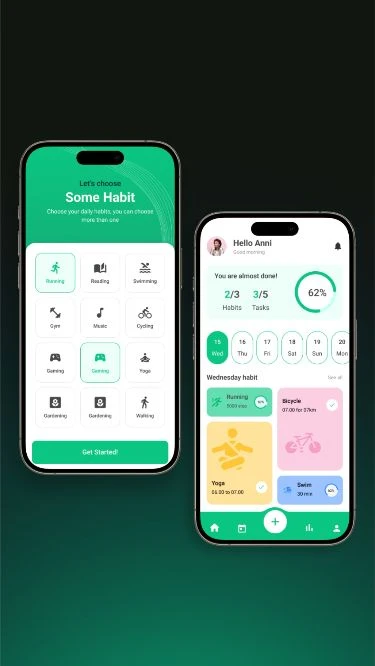

As technology continues to reshape our world, creating mobile applications that are both functional and inclusive is more important than ever. Model-Driven Engineering (MDE) has emerged as a powerful methodology that enables developers to build user interfaces (UIs) that adapt in real-time to users’ individual needs — especially for those requiring enhanced accessibility.
When combined with a flexible framework like Flutter, MDE helps transform how we approach mobile app development services, delivering applications that work seamlessly across platforms while offering superior user experiences for all.
🔹 Why Adaptive UIs Matter Today
A one-size-fits-all interface no longer meets the expectations of modern users. People with visual impairments, motor disabilities, or age-related challenges need UIs that adjust to their abilities. Challenges like small text, poor contrast, or complex layouts can make apps difficult — or even impossible — to use for many.
That’s where combining MDE with Flutter app development shines. This approach enables:
✅ Automatic scaling of text for better readability
✅ High-contrast, personalized themes
✅ Layout adjustments that suit individual preferences
✅ Alternative input options like voice or gesture controls
🔧 How MDE Powers Accessibility in Flutter
MDE enables developers to design high-level models that can automatically generate adaptive code — no manual rewrites needed. When applied to Flutter app development, this means:
- The app can adjust font sizes, contrast, and spacing dynamically.
- Gesture-based or voice-activated navigation becomes easier to implement.
- A consistent, accessible experience is possible across iOS and Android devices.
This makes MDE an exciting tool for any mobile app development service that wants to prioritize inclusivity without adding unnecessary complexity to their codebase.
🌱 What’s Next for Adaptive Mobile UIs?
The future of accessible app design looks promising, with trends like:
📌 AI-powered personalization — predicting user preferences and adjusting UI automatically
📌 Voice-first navigation — making apps more usable without touch
📌 Context-aware UIs — apps that respond to the environment, like lighting or motion
🎯 Final Thoughts
Model-Driven Engineering, paired with Flutter app development, paves the way for smarter, more inclusive mobile applications. As demand grows for accessibility in technology, these practices are set to play a bigger role in how apps are designed and built — ensuring no user is left behind.























Sign in to leave a comment.