
Orthodontic care has evolved dramatically over the past decade. What used to mean bulky metal hardware now includes a variety of advanced options designed for comfort, discretion, and efficient movement of teeth. In 2026, patients have more choices than ever before, and understanding each one helps you choose the right path for your goals.
This guide explores the modern braces options available today, from traditional metal to clear aligners, and explains what makes each approach effective and appropriate for different needs.
Traditional Metal Braces: Still Reliable, Still Relevant
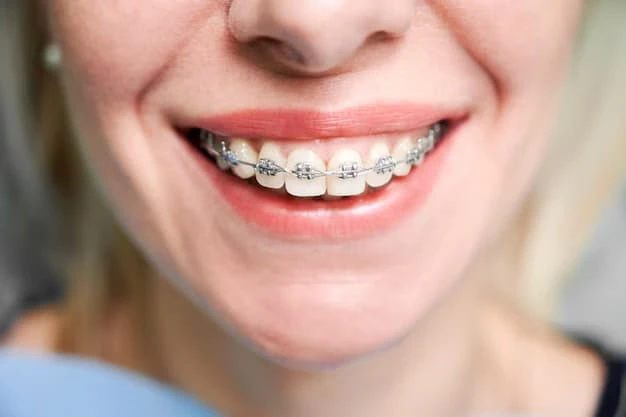
Traditional metal braces remain a cornerstone of orthodontic care. They use metal brackets and archwires to apply controlled forces that move teeth into ideal alignment. While they may feel more visible compared to other options, modern metal braces are smaller, smoother, and more comfortable than ever before.
Why People Still Choose Metal Braces
- Effective for complex tooth movement
- Durable and precise control of bite correction
- Often more cost-effective for extensive cases
Metal braces continue to be a trusted choice, particularly for patients with significant crowding, rotations, or bite issues that require predictable, hands-on adjustment by the orthodontic team.
Ceramic Braces: Discreet and Aesthetic
For patients who want less visibility without sacrificing the power of traditional braces, ceramic braces are a popular alternative.
Ceramic brackets are made from tooth-colored materials that blend with enamel, making them less noticeable in everyday interactions. They work much like metal braces but are aesthetically softer, appealing to adults, professionals, and image-conscious teens.
What Makes Ceramic Braces a Great Option
- Subtle appearance with strong corrective capability
- Comfortable fit with smooth surfaces
- Works well for patients seeking a balance between aesthetics and traditional mechanics
Ceramic braces are well-suited for patients who want reliable results without drawing attention to their orthodontic treatment.
Lingual Braces: Hidden Behind the Teeth
Lingual braces represent a truly invisible fixed-appliance option. Instead of attaching to the front of the teeth, the brackets and wires sit on the back (tongue-side), making them hidden from view during conversation or smiling.
Pros and Considerations of Lingual Braces
- Invisible from the front: Perfect for patients who don’t want visible braces
- Full control: Excellent for complex movements
- Adjustment period: May require a brief adaptation for speech and comfort
Lingual braces are ideal for adults and professionals who want the strength of traditional appliances but value complete discretion.
Clear Aligners: Removable and Discreet
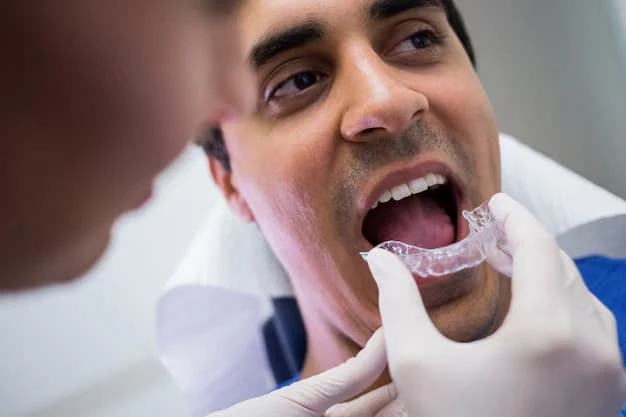
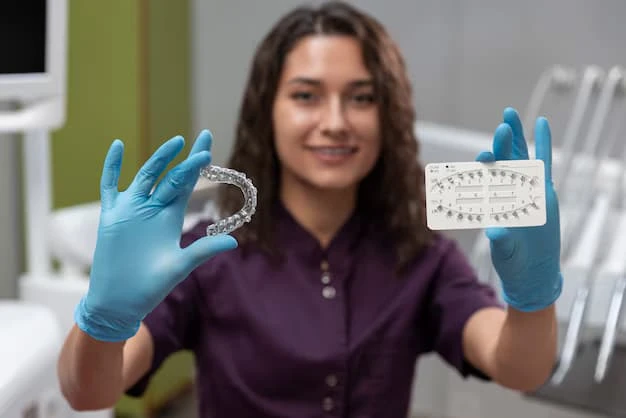
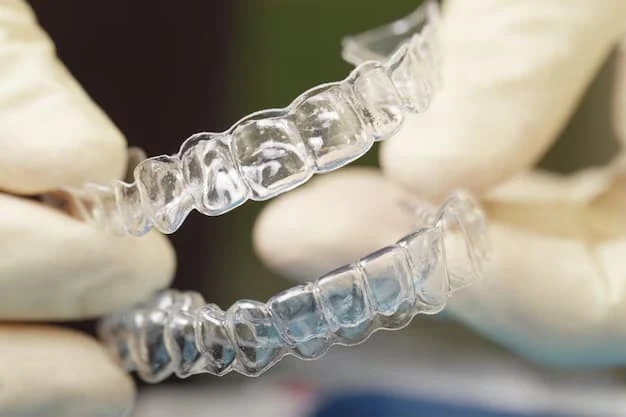
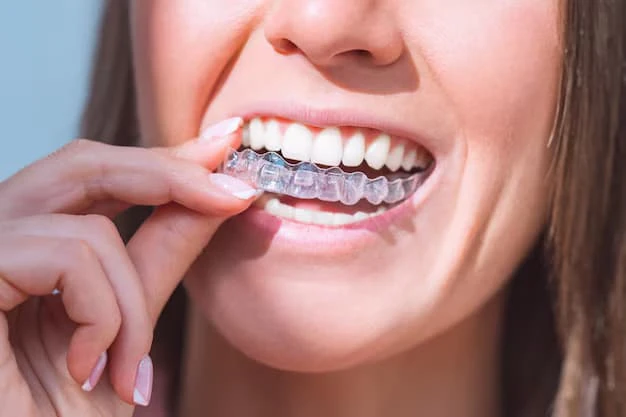
Perhaps the biggest shift in orthodontics has been the rise of clear aligners, a category that now includes Invisalign and other customized aligner systems. These removable trays are made of transparent material and shift teeth gradually over time.
Why Clear Aligners Are So Popular
- Discreet look: Hardly noticeable in everyday life
- Removable: Eat and clean normally
- Comfort-focused: Smooth edges and no brackets or wires
- Tech-enhanced: Often planned digitally for precise movement
Clear aligners are especially appealing to adults and teens who want flexibility and minimal lifestyle disruption. They work well for many alignment issues, though some complex bites may still be better served by fixed braces.
Hybrid Options: Combining Mechanics for Precision
In some cases, modern orthodontists combine technologies to achieve the best result. A patient might start with clear aligners for initial alignment and transition to braces for fine-tuning bite relationships, or vice versa.
Hybrid treatment plans reflect a trend toward customization. Instead of fitting every patient into one category, orthodontic care in 2026 embraces solutions tailored to individual needs.
Digital Tools That Enhance Braces Today
No matter which braces option you choose, digital technology plays a big role in treatment planning and execution:
- 3D digital scanning replaces messy impressions
- Virtual treatment previews let you see projected outcomes
- Remote monitoring allows check-ins between visits
These advancements help orthodontists anticipate tooth movement more accurately and adjust care as needed, often reducing surprises and enhancing comfort along the way.
Comfort Is a Priority
Modern brace options prioritize comfort in ways that weren’t common in the past:
- Rounded corners and smoother materials reduce irritation
- Flexible wires adapt gently to tooth movement
- Clear aligners avoid brackets altogether
- Customized appliances fit more precisely from day one
Comfort doesn’t just make treatment easier; it encourages better compliance and promotes a more positive experience overall.
Choosing the Right Option for You
When deciding among modern braces options, consider these factors:
- Severity of alignment issues: More complex cases may benefit from fixed appliances
- Aesthetic preferences: Clear aligners or ceramic braces can be more subtle
- Lifestyle needs: Removable options offer flexibility for eating and hygiene
- Duration of treatment: Some paths may be faster depending on complexity and compliance
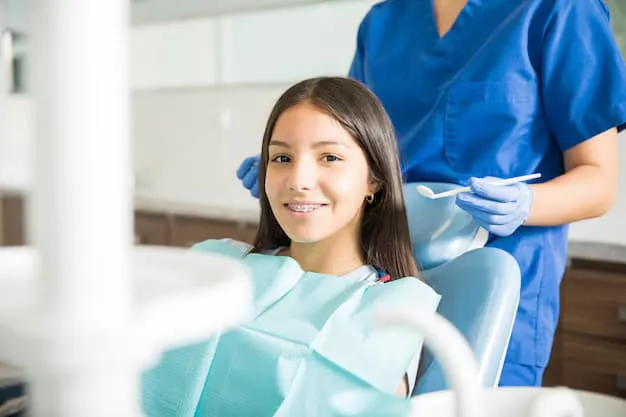
A consultation with an orthodontic professional allows for a personalized assessment and a plan that fits both your goals and your daily life.
Maintaining Results After Braces
Retention is critical once active movement ends. Regardless of the braces type, metal, ceramic, lingual, or aligners, retainers help ensure your teeth stay in their new positions.
Today’s retainers are often clear, comfortable, and tailored using digital scans, making them another seamless part of modern orthodontic care.
Final Thoughts
From classic metal braces to clear aligners and hybrid approaches, modern braces options in 2026 reflect a balance of efficiency, comfort, and aesthetics. Orthodontic care continues to evolve with technology and patient-centered planning, giving you more ways to achieve a healthy, confident smile.
Whether you choose a traditional fixed appliance or a nearly invisible aligner system, understanding your choices empowers you to pursue the treatment that fits your goals, with clarity, confidence, and comfort.



























Sign in to leave a comment.