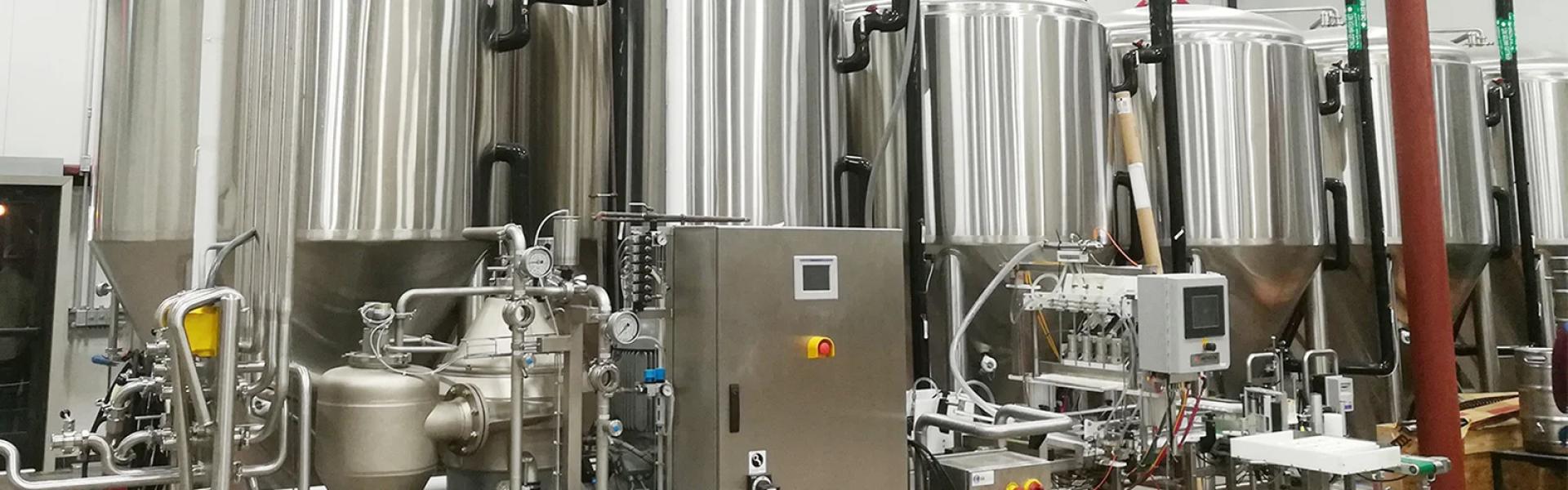

The dairy industry is evolving rapidly, driven by the need for hygiene, efficiency, and consistent milk quality. Whether you are a dairy farmer, cooperative member, or someone involved in milk distribution, understanding modern dairy equipment is essential. Three key technologies that play a crucial role in today’s milk supply chain are the milking machine, milk vending machine, and bulk milk cooler.
Each of these systems addresses a specific stage of milk handling—from production to storage and final dispensing—helping reduce losses and improve safety for both producers and consumers.
The Role of Milking Machines in Dairy Farming
A milking machine is designed to extract milk from animals such as cows or buffaloes in a controlled and hygienic manner. Compared to traditional hand milking, machines offer consistency and reduce the risk of contamination.
From a farmer’s perspective, milking machines help:
- Maintain uniform milking cycles, which is important for animal comfort
- Reduce physical strain and labor dependency
- Improve milk hygiene by limiting human contact
Modern milking systems often come with features such as pulsators, vacuum regulators, and stainless-steel milk contact parts. These components ensure that milk extraction is gentle yet efficient, preserving both animal health and milk quality. For small and medium dairy farmers, adopting a milking machine can be a practical step toward scaling operations without compromising standards.
Bulk Milk Coolers: Preserving Milk Quality at the Source
Once milk is extracted, temperature control becomes critical. This is where a bulk milk cooler plays an important role. Milk is highly perishable, and even a short delay in cooling can lead to bacterial growth and spoilage.
Bulk milk coolers are used to:
- Rapidly chill milk to safe storage temperatures
- Maintain consistent cooling until milk collection or processing
- Prevent quality deterioration during storage
For dairy collection centers and cooperatives, bulk milk coolers help ensure that milk reaches processors in optimal condition. Proper cooling also helps farmers receive better pricing, as milk quality parameters such as freshness and bacterial count are preserved.
Milk Vending Machines: Bridging Farmers and Consumers
A milk vending machine is becoming increasingly popular in urban and semi-urban areas. These machines allow consumers to purchase fresh milk in measured quantities, often directly sourced from dairy farms or cooperatives.
From a consumer’s point of view, milk vending machines offer:
- Transparency in quantity and pricing
- Reduced packaging waste
- Access to fresh milk without middlemen
For dairy businesses, vending machines help extend reach while maintaining quality control. Integrated cooling systems and automated dispensing ensure milk remains safe until the point of sale. When used responsibly, these machines can support sustainable dairy distribution models.
How These Systems Work Together
The real strength of modern dairy infrastructure lies in how these technologies complement one another:
- Milking machines ensure clean and efficient milk extraction
- Bulk milk coolers preserve milk quality immediately after milking
- Milk vending machines deliver milk safely to the end consumer
When used together, they reduce wastage, improve traceability, and support better income opportunities for dairy farmers.
Choosing the Right Dairy Equipment
Before investing in any dairy equipment, users should consider:
- Daily milk output and herd size
- Availability of electricity and maintenance support
- Cleaning and sanitation requirements
- Long-term operational costs
Reliable suppliers like Chadha Sales often provide guidance on selecting suitable systems based on practical dairy needs. However, users should always focus on functionality, durability, and ease of maintenance rather than brand names alone.
Final Thoughts
Modern dairy equipment is no longer limited to large-scale operations. With the right combination of milking machines, bulk milk coolers, and milk vending machines, even small and mid-sized dairy setups can achieve better efficiency and quality control.
Understanding how these technologies function helps users make informed decisions, ensuring safer milk, improved productivity, and a more sustainable dairy ecosystem for the future.



























Sign in to leave a comment.