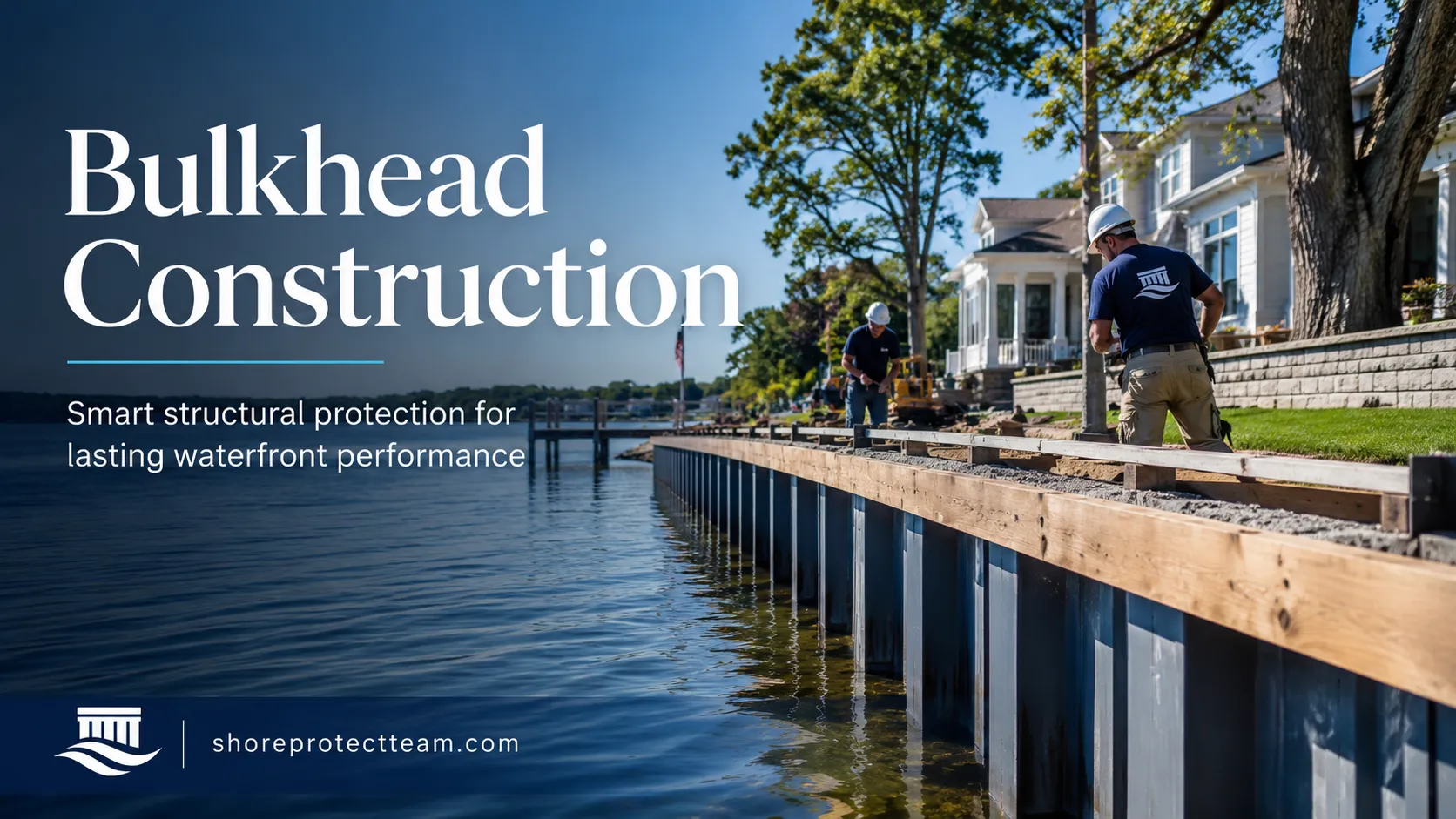

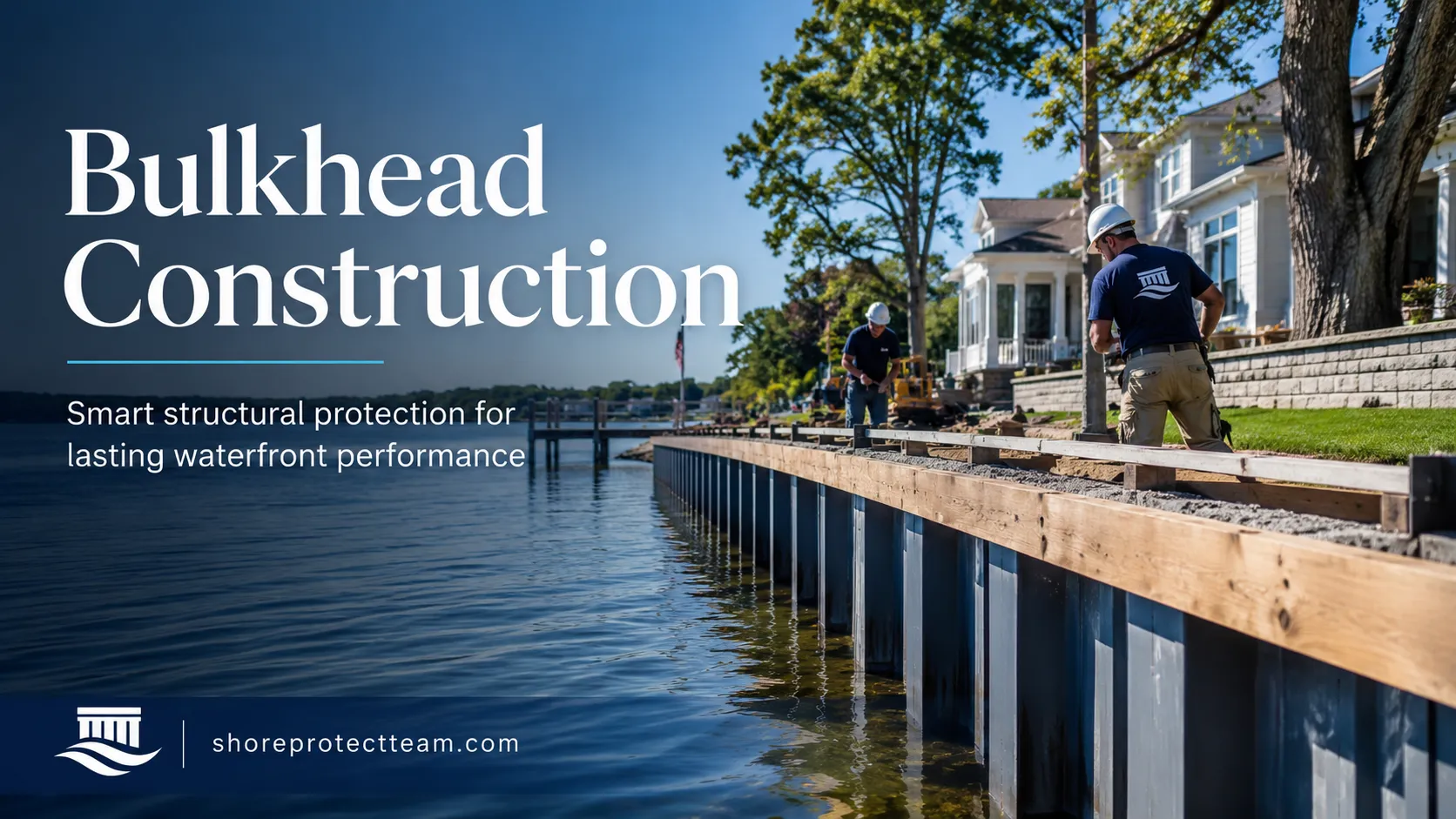
Waterfront properties offer exceptional opportunities for recreation, business, and investment, but they also demand specialized construction methods capable of handling difficult environmental conditions. Unlike conventional building projects, structures developed beside coastlines, rivers, lakes, bays, and canals remain exposed to moisture, wave pressure, changing water levels, and unstable soil. These conditions make proper planning essential from the earliest stage. With a site-specific strategy, property owners can protect valuable land, reduce future maintenance requirements, and create waterfront structures that continue performing reliably for decades.
Property owners considering marine construction should work with experienced professionals who understand how water movement, soil conditions, environmental regulations, and structural loads influence the project. Selecting the right approach before work begins can prevent avoidable complications while improving the safety, durability, and long-term value of the completed structure.
Building With Natural Conditions in Mind
One of the most important differences between waterfront development and standard construction is the need to work with natural forces rather than simply resisting them. Water moves continuously, shorelines gradually change, and weather conditions may shift considerably throughout the year. A structure that performs well during calm weather must also remain dependable during heavy rainfall, high water, strong winds, and seasonal storms.
Successful projects begin with a careful examination of the site. Engineers and marine contractors assess shoreline shape, water movement, soil composition, drainage patterns, nearby infrastructure, and the intended use of the finished structure. These findings help determine which construction methods are appropriate for the property.
Applying the same design to every waterfront location can lead to poor performance. A customized plan responds to the actual conditions of the site and provides a more reliable foundation for long-term success.
Factors That Influence Project Success
Several environmental and structural variables determine how effectively a waterfront project will perform. Each factor should be evaluated before the design and construction phases move forward.
Soil Conditions
The stability of the underlying soil directly affects the strength and lifespan of a waterfront structure. Loose sediment, saturated ground, organic soils, or previously disturbed land may not provide adequate support for conventional foundations.
Professional site evaluations help identify weak areas and determine whether piles, reinforced foundations, improved drainage, or other stabilization methods are necessary. Addressing soil concerns before construction reduces the risk of uneven settlement, shifting components, cracking, and structural movement.
Water Depth and Flow
Water depth influences equipment access, foundation design, structural height, and the types of materials that can be installed effectively. Current speed and changing water levels also affect how forces are transferred to the completed structure.
A site located beside a slow-moving canal may have different engineering requirements than a property exposed to tidal currents or open-water waves. Understanding these differences allows designers to develop solutions that remain functional under both normal and demanding conditions.
Wave Exposure
Wave energy can gradually weaken shoreline structures, loosen surrounding soil, and accelerate material deterioration. The level of exposure depends on the property's orientation, surrounding landforms, vessel traffic, prevailing winds, and distance across open water.
Engineers account for these forces by selecting suitable dimensions, foundations, connections, and protective features. Properly managing wave energy can significantly extend the useful life of a waterfront improvement.
Drainage Systems
Surface runoff and groundwater can create serious problems when drainage is overlooked. Water collecting behind retaining structures increases pressure and may wash away supporting soil. Poor drainage can also produce settlement, erosion, and recurring maintenance problems.
A well-designed drainage system directs excess water safely away from vulnerable areas. This protects foundations and helps the surrounding shoreline remain stable during periods of heavy rainfall.
Choosing Construction Materials Wisely
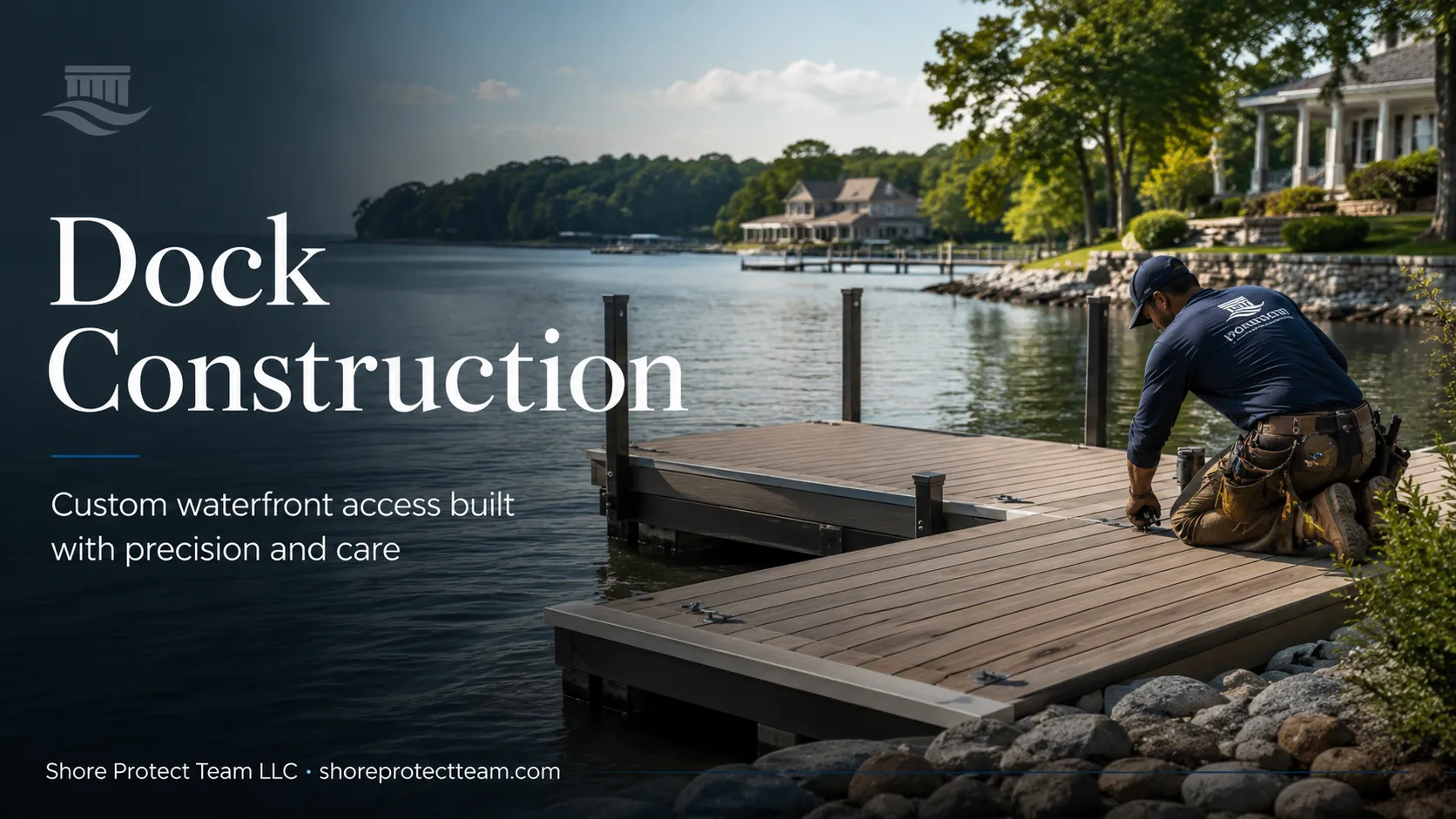
Marine environments place exceptional demands on construction materials. Continuous moisture, ultraviolet exposure, temperature fluctuations, biological activity, and saltwater can accelerate deterioration when materials are not selected carefully.
Concrete remains a dependable option for many structural applications because of its strength and long service life. However, the concrete mixture, reinforcement, installation process, and curing conditions must all be suitable for the environment.
Pressure-treated timber is frequently chosen for residential waterfront projects because it offers a natural appearance and can be adapted to many designs. High-quality treatment improves resistance to moisture, insects, fungal decay, and other common causes of deterioration.
Steel offers excellent structural capacity but requires corrosion-resistant coatings or other protective systems when used near saltwater. Fasteners and connectors should also be selected for compatibility with surrounding materials to reduce premature corrosion.
Composite products have gained popularity because they resist moisture, rot, and insects while requiring less routine maintenance. Although the initial price may be higher than some traditional materials, reduced maintenance and longer service life can provide better overall value.
Material selection should never be based only on the lowest upfront cost. Durability, maintenance requirements, environmental exposure, structural demands, and expected service life should all guide the final decision.
Engineering for Long-Term Stability
Waterfront structures must remain reliable long after construction is finished. For this reason, engineers evaluate more than present-day conditions. They consider storm events, shoreline movement, fluctuating water levels, settlement, wave forces, soil pressure, wind loads, and the intended use of the structure.
Proper engineering distributes loads across foundations and structural components instead of allowing pressure to concentrate in weak areas. This reduces unnecessary stress while improving durability and safety.
Designing for realistic future conditions also helps protect the property from costly emergency repairs. A structure built only for calm, average conditions may struggle during severe weather. Additional resilience incorporated during the planning stage often delivers substantial long-term benefits.
Managing Environmental and Regulatory Requirements
Waterfront projects are often subject to permits and environmental rules designed to protect waterways, wildlife, neighboring properties, and public access. Requirements may vary based on the type of structure, project location, water body, and extent of shoreline disturbance.
Starting work without the proper approvals can cause delays, financial penalties, or forced design changes. Experienced contractors help property owners understand the permitting process, prepare necessary documentation, and coordinate construction around environmental restrictions.
Responsible project planning may also include sediment barriers, erosion-control measures, protected work zones, and construction schedules that reduce disruption to sensitive habitats. These practices support compliance while limiting unnecessary environmental impact.
Common Mistakes That Reduce Project Lifespan
Several avoidable decisions can shorten the useful life of waterfront infrastructure.
Relying on a Standard Design
A design that performs well at one site may fail at another because soil strength, wave exposure, water depth, and drainage conditions differ. Every project should respond to its actual environment.
Ignoring Smaller Signs of Damage
Minor cracks, loose connections, displaced materials, or localized erosion may seem unimportant at first. However, these issues often become more expensive when left untreated.
Choosing Incompatible Materials
Certain metals, fasteners, coatings, and structural components can react poorly when installed together. Material compatibility is especially important in wet and saltwater environments.
Delaying Routine Inspections
Waterfront structures may deteriorate in areas that are difficult to see. Scheduled inspections help identify concerns before they affect safety or require major reconstruction.
Maintenance Supports Long-Term Value
Even a carefully engineered structure requires ongoing care. Maintenance needs depend on the materials used, exposure conditions, structural design, and intended use.
Owners should inspect visible surfaces, foundations, fasteners, joints, drainage outlets, and surrounding soil regularly. Additional inspections are recommended after major storms, flooding, vessel impacts, or unusually high water.
Cleaning accumulated debris, replacing damaged components, maintaining protective coatings, and correcting erosion early can significantly extend service life. A practical maintenance plan also helps property owners budget for predictable upkeep instead of facing unexpected emergency costs.
Quality Construction Protects More Than the Structure
A durable waterfront project can improve property access, safety, usability, appearance, and long-term value. It may also help protect nearby landscaping, buildings, utilities, roads, and recreational areas from erosion or water-related damage.
The lowest initial proposal is not always the most economical choice. Projects supported by thorough assessments, professional engineering, suitable materials, and careful installation often deliver better value because they require fewer repairs and perform more reliably over time.
Conclusion
Resilient waterfront development begins with a clear understanding of the site and the forces that will affect it. Soil stability, water movement, drainage, material durability, engineering, environmental responsibility, and maintenance all contribute to long-term performance. By making informed decisions before construction begins, property owners can create dependable waterfront infrastructure that remains safe, functional, and valuable through years of changing environmental conditions.


























Sign in to leave a comment.