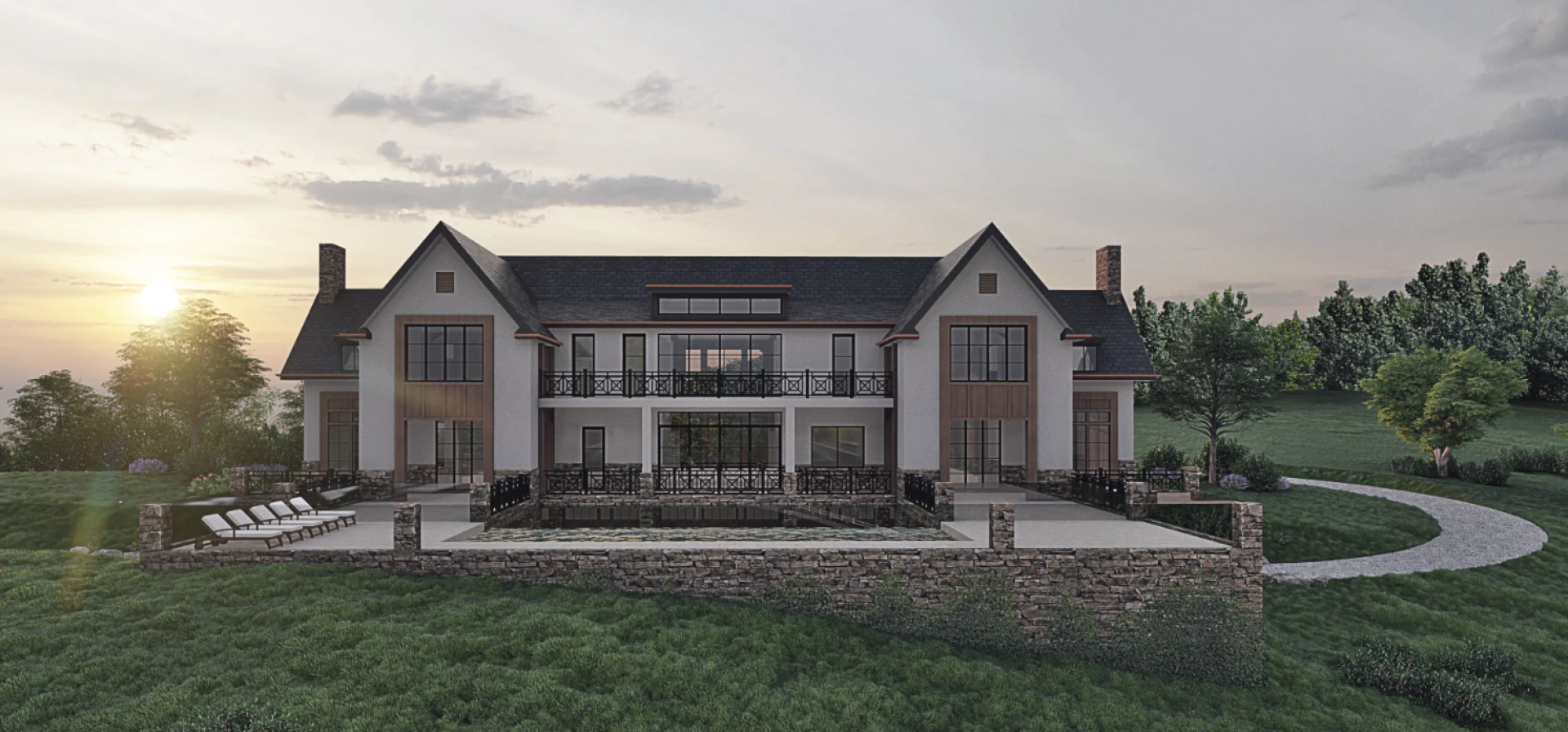

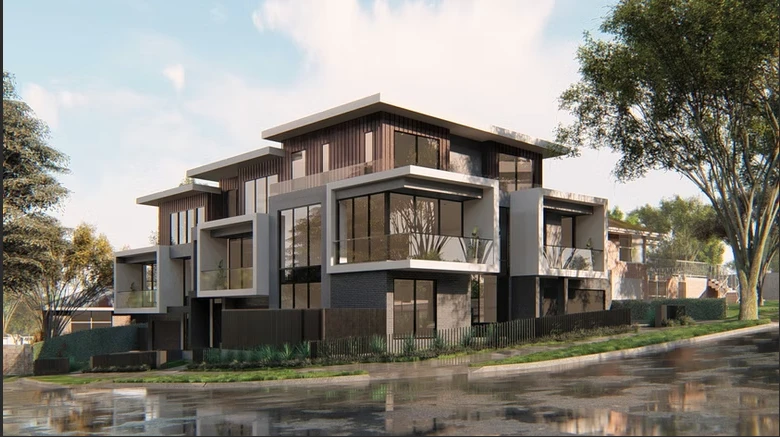
As architecture evolves with time, it adapts to new challenges and innovations. What once served as a traditional approach now transforms into designs that are efficient and functional. Modern Melbourne architecture exemplifies this evolution. Architects embrace strategies that prioritise sustainability without compromising aesthetics.
Their designs involve innovative techniques and materials with a strong focus on energy efficiency. One standout feature is their expertise in heat control. This ensures that homes are comfortable during every season while reducing environmental impact. Curious to learn how they achieve this? Let's explore further.
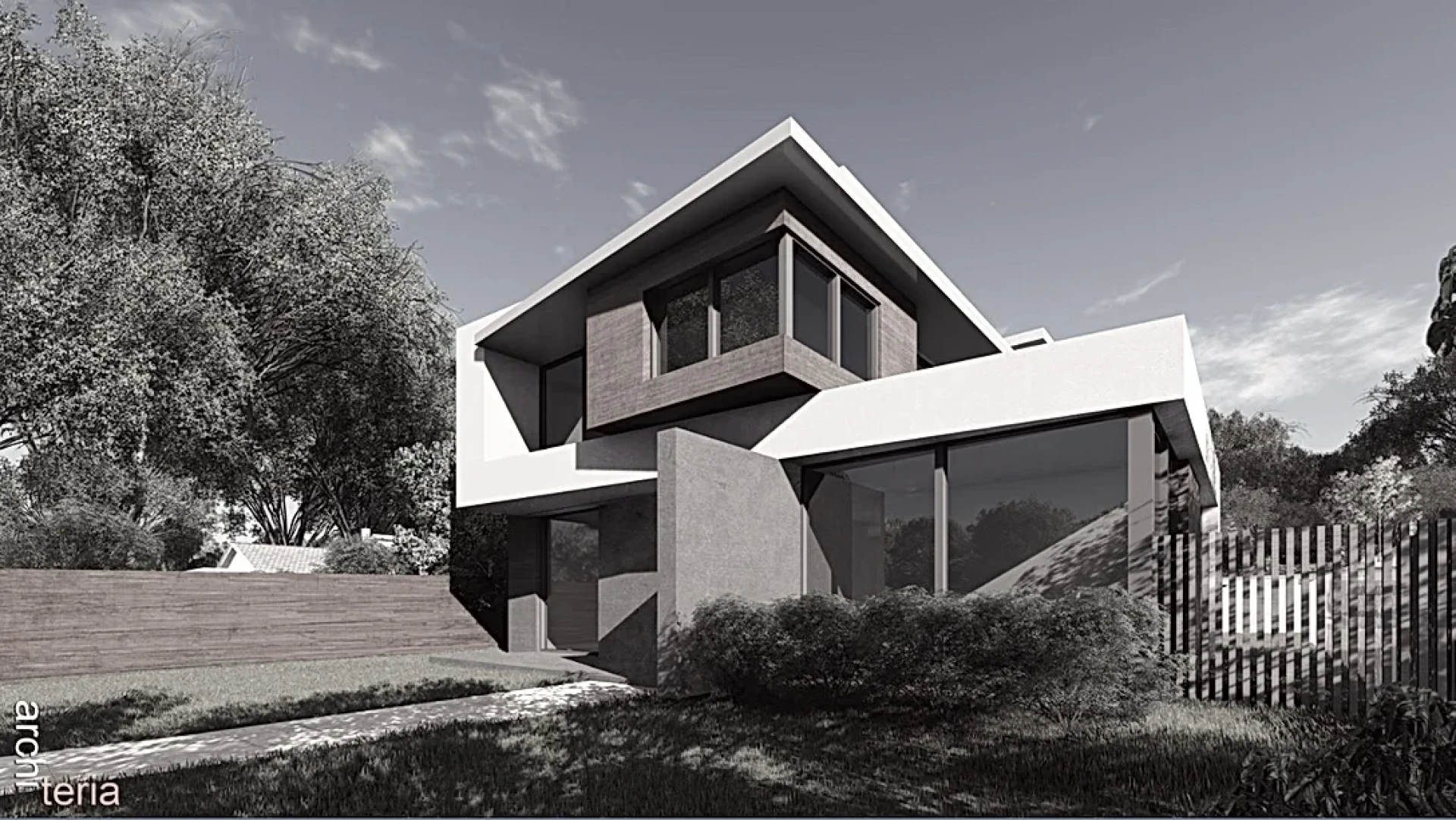
What Elements Architects Include To Create A Sustainable Design?
Double And Triple Glazing On Windows
Architects considered double and triple glazing window systems as essential elements since the early 1990s. They are designed to enhance energy efficiency and comfort in homes. But what exactly are they? Double glazing consists of two panes of glass. These glasses are separated by a gap. These gaps are typically filled with inert gas. While triple glazing adds a third pane. It helps to reduce noise.
The main purpose of these systems is to maintain heat control. They reduce heat loss in winter and heat gain in summer. You can get a comfortable place in every season. Also, these systems consume less energy. This is the main quality that makes them sustainable home design. When you have control over energy consumption, it leads to reduced carbon emissions and lower utility bills. Additionally, the soundproofing quality of these windows creates quieter indoor environments. This is particularly useful in urban settings.
For example, in Melbourne's Nightingale Housing projects, top architects incorporated triple-glazed windows. These windows mainly reduced heat transfer. It maintains comfortable indoor conditions. Incorporating double or triple glazing into a building design isn't just a trend. It's a strategic move toward a sustainable future. By combining usefulness with eco-friendliness, these systems allow architects to create spaces that are comfortable in every season.
East And West Shade
East and West Shades are architectural solutions. These shades protect buildings from the strong sunlight of morning and afternoon. The sunlight needs to be controlled, particularly in east and west-facing properties. In places like Australia, where the sun's low angles in these directions can result in major heat gain, useful shade is essential. It will provide comfort as well as energy efficiency.
Architects create sustainable living designs by using east and west shading. The requirement arises because these sunlight exposures can cause overheating and greater demands on air conditioning, particularly during the summer. This means shading regulates indoor temperatures while also saving energy. It makes it an essential component of modern design.
Top architects use a variety of strategies to create east-west shading. They use adjustable blinds or exterior shutters, which enable inhabitants to manage sunlight throughout the day. Not only this, they incorporate vegetation. It includes trees with fallen leaves, plants, or green walls. This offers natural shelter while also improving the visual appeal of a house structure.
The creative use of east and west shelters shows how architects may combine practicality and sustainability. These technologies create energy-efficient and pleasant environments by preventing unnecessary heat. Also, it allows natural light in. In Australia's severe climate, east and west shading is more than simply a design decision. It is essential for lowering environmental impact and supporting sustainable living in residential and commercial structures.
Sufficient Insulation
Sufficient insulation is an important component of sustainable building design. This component is used by modern architects. It functions as a barrier to heat transmission while ensuring indoor comfort. It lowers the demand for artificial heating and cooling.
How do architects ensure sufficient insulation? They carefully select materials according to their R-value. This measures thermal resistance. The required R-value depends on the local climate, building type, and expected level of energy efficiency. Understand this more thoroughly. In colder areas, greater R-values are required to trap heat, while warm places may require moderate insulation.
What insulation materials are included? Fiberglass sheets are a popular insulation material. They are affordable and easy to install. Spray foam insulation is used to cover gaps. It also provides excellent R-value performance. Cellulose insulation obtained from recycled paper materials is an environmentally beneficial solution. Mineral wool is known for its fire resistance and soundproofing properties. Rigid foam sheets provide effective thermal insulation for walls and roofs.
Do you know where top architects incorporate this? They include insulation into walls, roofs, and floors during new building or retrofitting. Correct setup is essential to avoid gaps and shrinkage, which might damage its efficiency. This is how architects develop energy-efficient, ecologically responsible, and appealing buildings by putting adequate insulation first. This strategy achieves environmental objectives while also responding to the rising need for greener living and working places.
Adaptations To The Local Climate
Architects adapt buildings according to the local climate. This approach ensures that structures match with their environment while minimising energy consumption. One key adaptation is building orientation. Architects smartly position buildings to control sunlight exposure. Keep reading to know how!
In southern hemisphere of AU buildings are often oriented to maximise northern exposure. It allows natural light to come in and gives warm interiors during winter. In warmer regions, south-facing orientations help minimise direct sunlight. It reduces indoor heat gain in summer. This thoughtful positioning reduces the dependence on artificial heating and cooling systems.
Hence, by tailoring design elements to the local climate, architects create sustainable and comfortable spaces. These properties align with natural environmental conditions and demonstrate the power of climate-responsive architecture.
Conclusion
Architecture in Melbourne exemplifies the evolution of designs by integrating innovative and sustainable practices. From energy-efficient window systems like double and triple glazing to east-west shading solutions and sufficient insulation, their designs prioritise comfort and eco-friendliness. These architects also adapt buildings to local climates. They use strategic orientations to reduce reliance on artificial energy.
For anyone looking to create a sustainable and comfortable space, Architeria Architects, led by Mel Gawi, offers expert solutions. They are the leaders in sustainable home design. Their commitment to climate-responsive design ensures homes that are both stylish and sustainable. Contact them today!





















Sign in to leave a comment.