

Sleep disorders such as narcolepsy and shift work sleep disorder (SWSD) can seriously disrupt daily life. Persistent fatigue, difficulty concentrating, and uncontrollable sleep episodes affect not only productivity but also mental and physical well-being. Fortunately, modern treatment approaches combine medical science, lifestyle adjustments, and behavioral strategies to help people manage symptoms and maintain alertness throughout the day.
This guest post explores the latest treatment options, how they work, and practical ways individuals can improve their sleep–wake balance safely and effectively.
Understanding Narcolepsy and Shift Work Sleep Disorder
Narcolepsy
Narcolepsy is a neurological condition that affects the brain’s ability to regulate sleep and wakefulness. People with narcolepsy often experience:
- Sudden daytime sleep attacks
- Excessive daytime sleepiness
- Sleep paralysis
- Vivid dreams or hallucinations
- In some cases, sudden muscle weakness (cataplexy)
The condition is long-term but manageable with proper treatment and routine adjustments.
Shift Work Sleep Disorder (SWSD)
SWSD occurs in people who work non-traditional hours, such as night shifts or rotating schedules. Symptoms may include:
- Trouble staying awake during work hours
- Difficulty sleeping during the day
- Chronic fatigue
- Reduced concentration and mood changes
The mismatch between the body’s natural circadian rhythm and work schedule is the main cause of SWSD.
Why Modern Treatment Important
Traditional advice for sleep disorders mainly focused on “getting more sleep,” but modern medicine recognizes that neurological, hormonal, and lifestyle factors all play a role. Today’s treatments aim to:
- Improve daytime alertness
- Enhance nighttime sleep quality
- Reduce sudden sleep episodes
- Support long-term physical and mental health
A personalized approach is usually the most effective because symptoms and triggers vary between individuals.
Lifestyle-Based Treatment Approaches
Before medication is considered, healthcare providers often recommend foundational lifestyle strategies.
1. Structured Sleep Routine
Maintaining consistent sleep and wake times helps regulate the internal clock. Even on days off, sticking to a schedule can improve long-term alertness.
2. Strategic Napping
Short naps of 15–20 minutes can reduce sleepiness in people with narcolepsy and SWSD. Scheduled naps may prevent sudden fatigue later in the day.
3. Sleep Environment Optimization
A dark, quiet, and cool room supports better sleep quality. Shift workers may benefit from blackout curtains or white noise machines to simulate nighttime conditions during the day.
4. Balanced Nutrition and Hydration
Heavy meals and sugary snacks may cause energy crashes. Instead, small, balanced meals with protein and complex carbohydrates can help maintain stable energy levels.
5. Physical Activity
Regular moderate exercise promotes better sleep patterns and increases overall daytime energy.
Behavioral and Non-Medication Therapies
Cognitive Behavioral Therapy (CBT)
CBT techniques help improve sleep habits and manage stress, which can worsen fatigue and sleep disturbances.
Light Therapy
Exposure to bright light at strategic times helps reset the circadian rhythm, especially for shift workers who need to stay awake during nighttime hours.
Stress Management
Meditation, breathing exercises, and mindfulness practices can reduce anxiety and improve sleep quality.
Modern Medical Treatments
When lifestyle and behavioral methods are not enough, doctors may recommend medical treatments tailored to specific symptoms.
Wakefulness-Promoting Medications
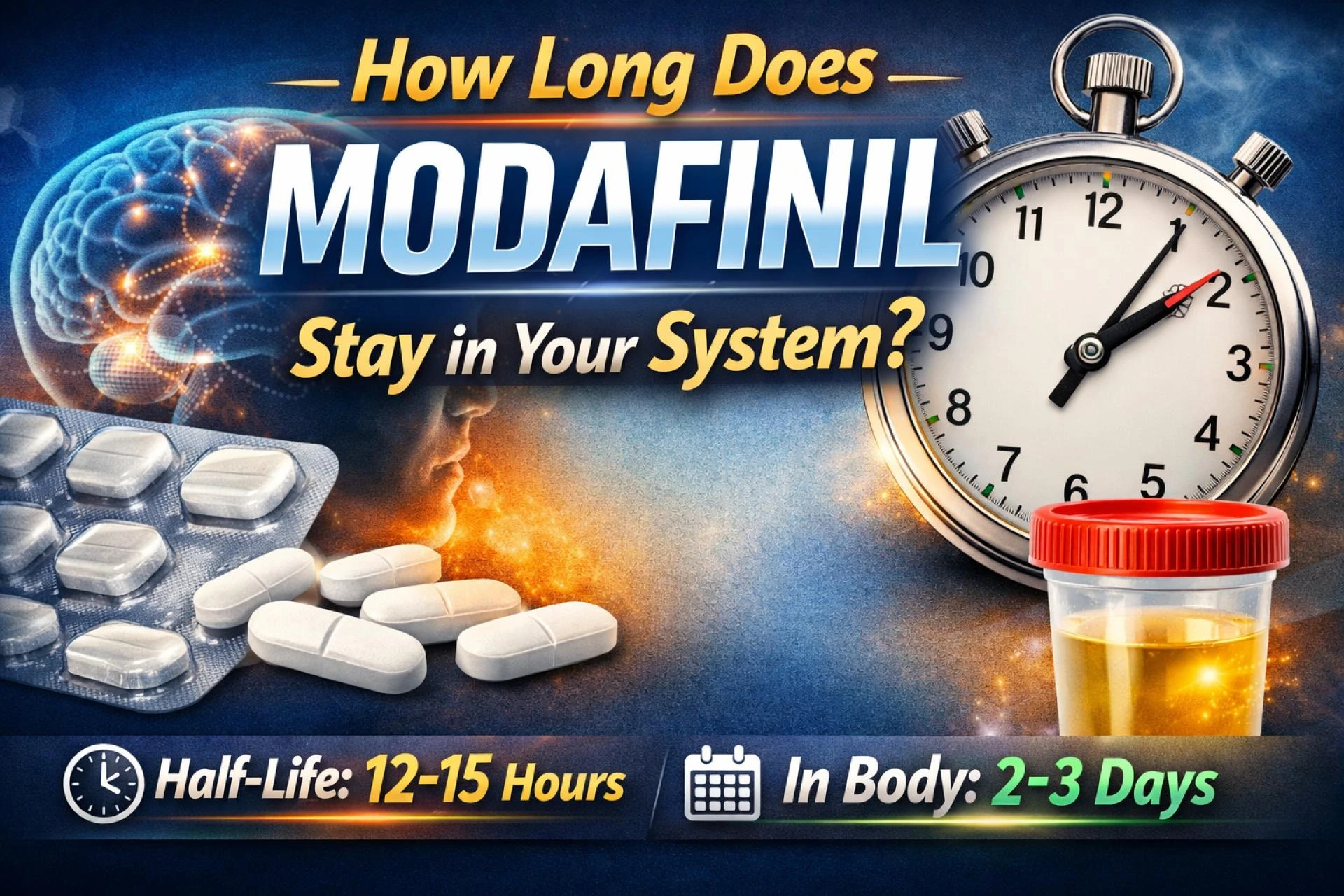
Some prescription medications are used to promote alertness during the day. These medications work by influencing brain chemicals involved in wakefulness and attention. They are typically prescribed for individuals diagnosed with narcolepsy or shift work sleep disorder and require professional monitoring.
Nighttime Sleep Support
In some cases, doctors prescribe treatments that improve nighttime sleep quality, which indirectly reduces daytime fatigue and sleepiness.
Symptom-Specific Therapies
People experiencing muscle weakness episodes or severe insomnia may receive targeted treatments to manage those specific symptoms.
Technology and Digital Health Tools
Modern technology also plays a growing role in managing sleep disorders.
- Wearable sleep trackers help monitor sleep cycles and patterns.
- Smart alarms can wake users during lighter sleep stages.
- Sleep tracking apps allow individuals to share detailed data with healthcare providers.
These tools help patients understand triggers and adjust routines more effectively.
Workplace Strategies for Shift Workers
Employers and employees can collaborate to create healthier work environments.
- Rotating shifts forward (day → evening → night) instead of backward
- Providing bright lighting in night-shift environments
- Encouraging scheduled breaks and short rest periods
- Allowing flexible schedules when possible
Healthy workplace practices can significantly reduce the risk of fatigue-related accidents.
When to Seek Professional Help
Consult a healthcare provider if:
- Daytime sleepiness interferes with work or driving
- You experience sudden sleep episodes
- Symptoms persist despite lifestyle improvements
- You suspect narcolepsy or another sleep disorder
Proper diagnosis is essential because treatments vary depending on the underlying condition.
Safety Considerations
- Avoid self-medication or relying on unverified online treatments
- Always follow prescribed dosages and medical guidance
- Monitor for side effects or changes in sleep patterns
- Combine medical treatment with healthy lifestyle habits for best results
Conclusion
Modern treatments for narcolepsy and shift work sleep disorder focus on a comprehensive approach that blends lifestyle changes, behavioral therapies, medical support, and technological tools. With the right combination of strategies, individuals can improve alertness, reduce fatigue, and regain control over their daily routines.
Although these conditions can be challenging, ongoing advancements in sleep medicine provide new opportunities for better symptom management and improved quality of life. By working closely with healthcare professionals and maintaining consistent habits, many people successfully manage narcolepsy and SWSD while staying active, productive, and energized.




























Sign in to leave a comment.