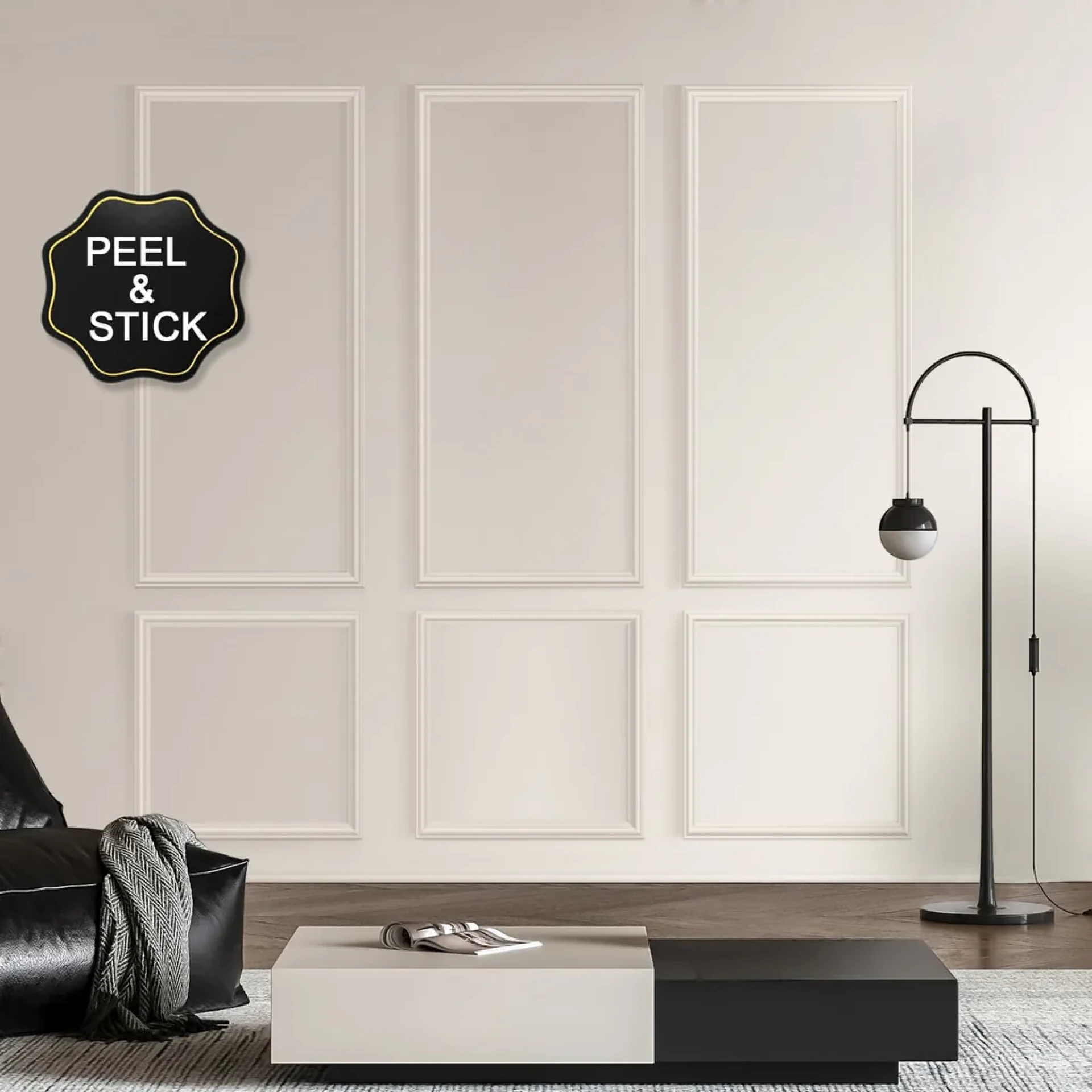

The walls of a home are more than just structural necessities—they are canvases waiting for expression. For decades, achieving the timeless elegance of wall moldings meant hiring skilled carpenters, enduring dusty construction, and investing significant time and money. The intricate patterns of panel molding, chair rails, and wainscoting that grace historic homes seemed reserved for those with deep renovation budgets and patience for months of work. That landscape has changed dramatically with the introduction of modern wall molding kit. These innovative systems bring sophisticated wall design within reach of everyday homeowners, combining the classic aesthetic of architectural detailing with the practicality of DIY-friendly installation. The result is a revolution in interior design accessibility, allowing anyone to transform plain walls into spaces of character and refinement.
What Makes Modern Molding Kits Different
Traditional wall molding requires cutting individual lengths of wood, mitering corners with precision, nailing pieces securely, filling gaps, sanding seams, and applying multiple coats of paint—a process demanding significant skill and specialized tools. Modern molding kits reimagine this entirely. Manufactured from lightweight yet durable materials like high-density polyurethane or flexible PVC, these kits come as pre-designed panels or interlocking components that install with construction adhesive rather than nails and complex joinery. The precision engineering ensures corners align perfectly, patterns repeat consistently, and installation proceeds quickly. Many kits arrive primed and ready for paint, eliminating multiple finishing steps. This fundamental redesign transforms molding from a specialist trade into an accessible weekend project, opening architectural detailing to anyone with basic DIY confidence and a desire to elevate their space.
Design Possibilities for Every Style
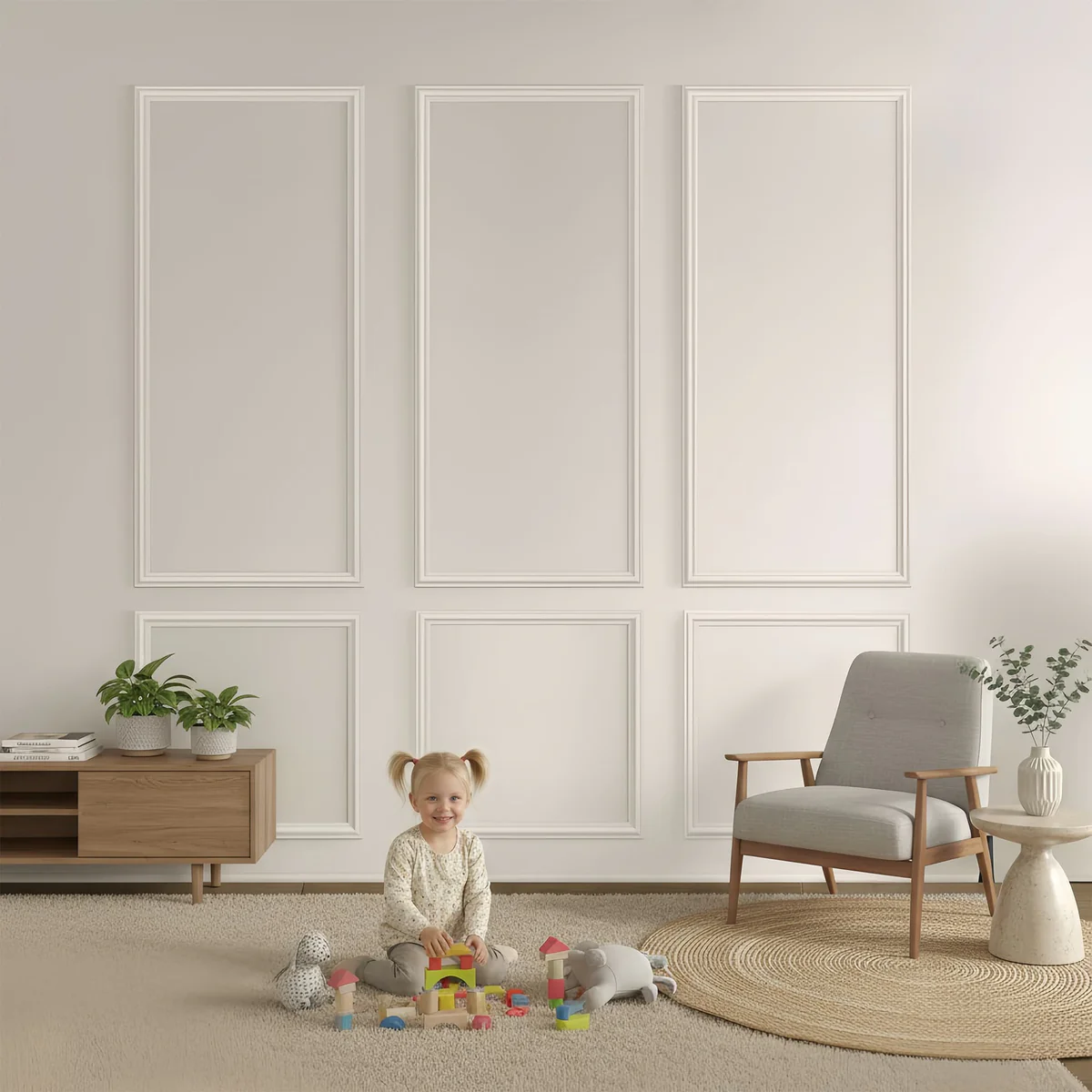
The range of design expressions possible with modern molding kits spans virtually every aesthetic preference. For traditionalists, classic raised panel patterns evoke Georgian and Victorian elegance, adding instant gravitas to dining rooms or home libraries. Contemporary spaces benefit from clean, geometric grid patterns that create visual interest without historical reference. Asymmetrical arrangements and mixed panel sizes bring modern artistic flair to feature walls. Full wainscoting installations protect high-traffic areas while adding substantial character. Chair rails combined with picture rails offer versatility for hanging art without damaging walls. The modular nature of these systems encourages creativity—mixing panel types, combining with decorative corners, or creating custom arrangements that reflect personal style. Digital design tools from manufacturers help visualize possibilities before committing, ensuring confidence in the final design.
Essential Components of a Complete Kit
Understanding what comes in a typical modern molding kit helps homeowners appreciate the comprehensiveness of these systems. Core components include pre-cut panel pieces sized to create specific patterns or grid arrangements. Corner blocks or decorative elements simplify inside and outside corners, eliminating complex miter cuts. Chair rail or border pieces frame the overall installation. Adhesive specified for the material ensures secure bonding to drywall or plaster. Some kits include spacers to maintain consistent gaps between components, crucial for professional-looking results. Detailed instructions guide each installation step, often supplemented by video tutorials. This completeness means a trip to the hardware store becomes unnecessary—everything required arrives together, designed to work as an integrated system.
Installation: Accessible to Amateurs
The installation process for modern molding kits deliberately accommodates DIY skill levels. It begins with wall preparation—cleaning surfaces and marking layout lines based on manufacturer templates or custom designs. Adhesive applies to the back of each component, which then positions against the wall according to the marked guidelines. The lightweight nature of modern materials means no heavy lifting or complex support systems. Components press firmly into place, with temporary bracing or painter's tape holding them while adhesive cures. Corner pieces install without mitering, their integrated design creating perfect intersections automatically. Caulk fills any minor gaps at edges, creating seamless transitions to the wall. Finally, painting unifies everything—the primed surface accepts color readily, making the molding appear integral to the wall rather than applied. This straightforward process transforms intimidating carpentry into accessible home improvement.
Material Advantages Beyond Aesthetics
The materials used in modern molding kits offer practical advantages that extend far beyond ease of installation. Unlike wood, which can warp, crack, or swell with humidity changes, polyurethane and PVC composites remain dimensionally stable throughout seasonal shifts. They resist moisture, making them suitable for bathrooms and kitchens where traditional wood molding would deteriorate. They never require sanding or refinishing, maintaining their appearance with simple cleaning. The materials cut easily with standard tools should modifications become necessary, yet they resist dents and damage better than soft woods. Their lightweight nature reduces shipping costs and makes handling safer during installation. These practical benefits mean that once installed, modern molding requires minimal maintenance while continuing to enhance the space for decades.
Cost Comparison: Kit Versus Traditional
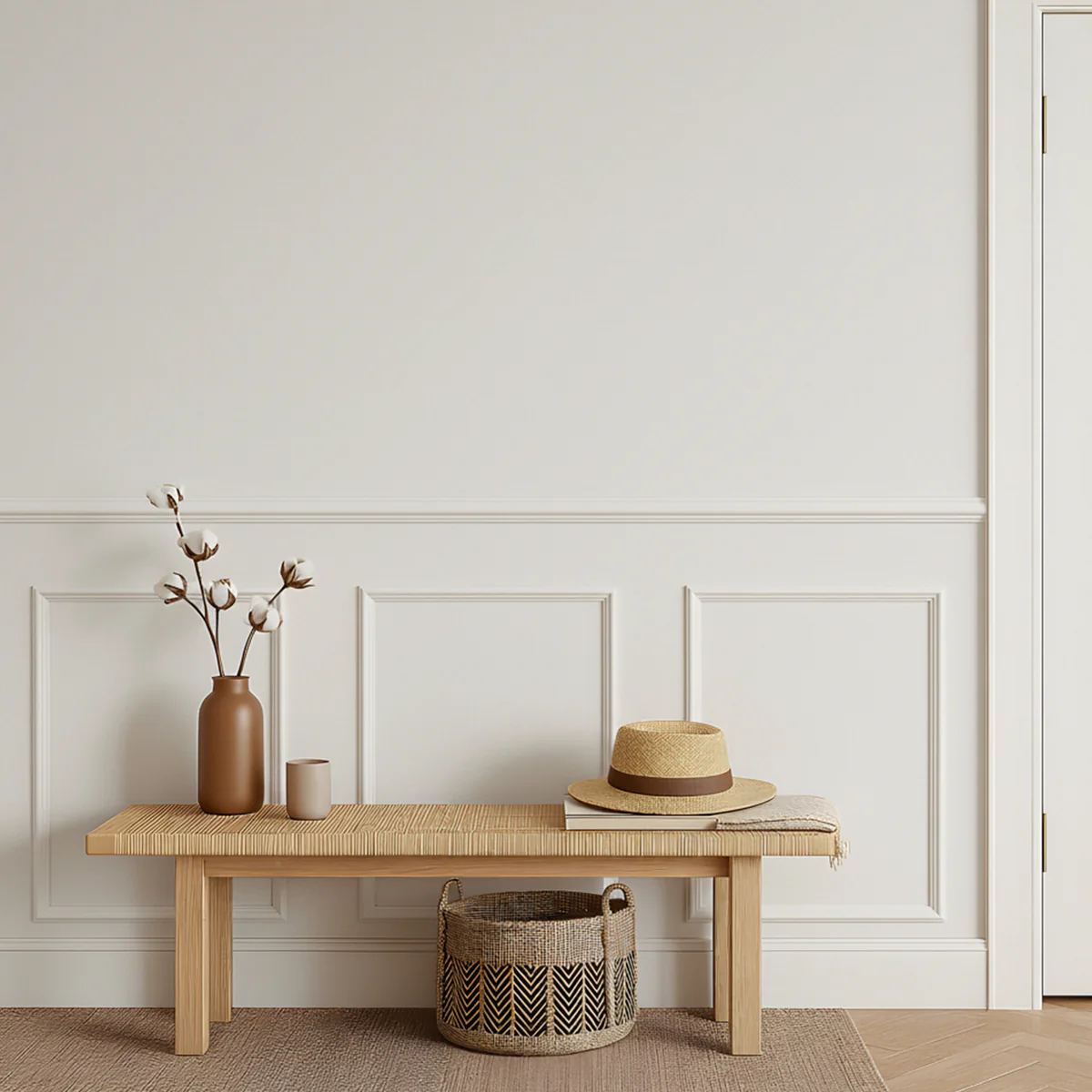
Budget considerations inevitably influence renovation decisions, and modern molding kits offer compelling economics. Traditional custom carpentry involves material costs for quality wood, labor charges for skilled installation, and expenses for finishing—painting, staining, or sealing. The total often reaches thousands of dollars for a single room. Modern kits, by contrast, provide complete systems at a fraction of this cost. The DIY installation eliminates labor entirely. Pre-finished components reduce or eliminate finishing expenses. The durability of materials means replacement costs disappear. When comparing cost per square foot of wall transformed, the value proposition becomes clear. For homeowners seeking substantial visual impact on realistic budgets, modern molding kits deliver architectural detailing previously reserved for much larger renovation investments.
Transforming Spaces Beyond Expectations
The true measure of any design element lies in its transformative power, and modern wall molding consistently exceeds expectations. A plain living room wall gains depth and shadow play that changes throughout the day as light shifts. A boring hallway becomes a gallery-like passage with rhythmic pattern repetition. A dining room acquires formality and presence appropriate for entertaining. Beyond aesthetics, molding adds perceived value—homes with architectural detailing consistently appraise higher and attract buyers more readily. The psychological impact matters too; spaces with intentional design feel more finished, more cared for, more like homes rather than mere structures. For DIY enthusiasts completing their first molding project, the moment of stepping back to admire the transformation often sparks ideas for the next room, and the next, as the addictive satisfaction of creating elegant spaces takes hold.





























Sign in to leave a comment.