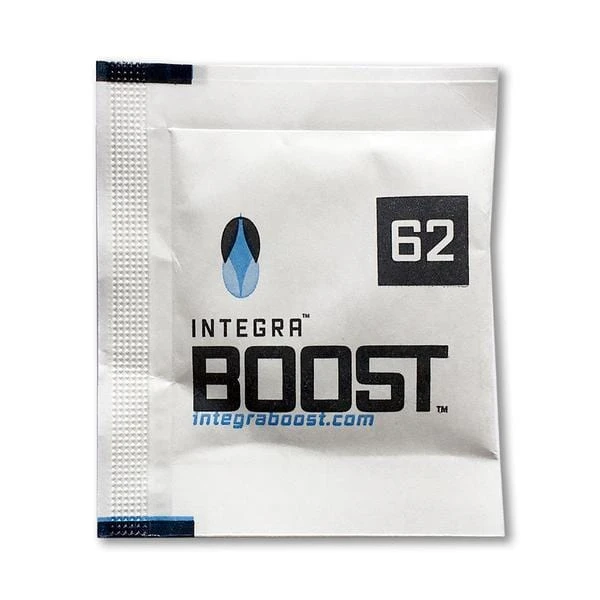

The Importance of Moisture Packs in the Food Industry
Maintaining ideal moisture levels is essential for guaranteeing product freshness, safety, and shelf life in the food sector. Too much moisture can cause deterioration, the formation of mold, and flavor or texture changes that are harmful to the food\'s quality and the consumers\' health. Here\'s where food moisture packs come into play. These packs are intended to absorb moisture and establish a stable environment within food packing. They are frequently packed with silica gel or other hygroscopic materials.
How Moisture Packs Work
Moisture packs for food operate by absorbing moisture from the air. The most common type is silica gel, which consists of porous beads made from silicon dioxide. These beads have a high surface area, allowing them to capture and retain moisture effectively. When placed in a sealed food package, moisture packs help maintain a dry environment, reducing the risk of spoilage and extending the shelf life of the product.
Some moisture packs contain color indicators that change when the pack becomes saturated with moisture. This feature is useful for monitoring the effectiveness of the pack and determining when it needs to be replaced or regenerated.
Applications of Moisture Packs for Food
Moisture packs are used in a wide range of food products to ensure quality and safety. Here are some common applications:
Snacks and Baked Goods: Excess moisture in snacks and baked goods can lead to staleness and loss of texture. Moisture packs help maintain a crispy or chewy consistency, depending on the product, and prevent mold growth.
Dried Fruits and Nuts: These products are particularly susceptible to moisture, which can cause them to become soggy or moldy. Moisture packs ensure they remain dry and retain their natural flavors.
Spices and Seasonings: Moisture can cause clumping and loss of potency in spices and seasonings. By using moisture packs, manufacturers can keep these products free from moisture-related issues.
Jerky and Dried Meats: Jerky and other dried meats require low-moisture environments to stay safe and maintain their texture. Moisture packs help preserve these products during storage and transportation.
Benefits of Moisture Packs for Food
The use of moisture packs in food packaging offers several benefits:
Extended Shelf Life: By reducing moisture levels, moisture packs help extend the shelf life of food products, reducing food waste and improving cost-efficiency for manufacturers and retailers.
Improved Safety: Moisture packs contribute to food safety by preventing the growth of harmful microorganisms like mold and bacteria. This is particularly important in products with extended storage periods.
Maintained Quality: Food products are more likely to retain their intended texture, flavor, and appearance when moisture levels are controlled. This leads to a better consumer experience and increased brand loyalty.
Sustainable Approaches to Moisture Control
While moisture packs are essential for preserving food, sustainability is an important consideration. Some moisture packs are designed to be reusable, allowing for regeneration through drying and reuse. This reduces waste and contributes to a more sustainable approach to moisture control.
Manufacturers are also exploring biodegradable moisture packs, which break down naturally after use, reducing their environmental impact. These innovations reflect a growing commitment to sustainability in the food industry.
In summary
Food moisture packs are an essential tool for maintaining the freshness and quality of packaged foods. These packs aid in extending shelf life, enhancing safety, and preserving product quality by absorbing excess moisture. Moisture packs will be essential to preserving the freshness and safety of food items from manufacturing to consumption as the food industry develops. Moisture packs have a bright future ahead of them because to continuous sustainability developments, making them even more environmentally friendly for the food business.




























Sign in to leave a comment.