
Mold is a pervasive issue that many homeowners in Houston face. With its warm and humid climate, Houston provides the ideal conditions for mold growth indoors. However, the presence of mold in your home can cause serious health issues and damage to the property. Mold testing in Houston is crucial in identifying and addressing this problem. In this blog, we will skim through the importance of mold testing, the common types of indoor mold found in Houston homes, and the significance of mold removal and remediation.
Understanding the Need for Mold Testing in Houston:
Mold is a type of fungus that grows in damp and dark environments. While some mold species are harmless, others can release spores and mycotoxins that may pose health risks to occupants, especially those with allergies, asthma, or compromised immune systems. Mold growth is often hidden, lurking behind walls, ceilings, or under carpets, making it difficult to detect with the naked eye. This is where mold testing in Houston becomes essential.
Mold testing involves the identification of mold species and the assessment of mold levels in the indoor environment. Professional mold testing experts use various methods, such as air sampling, surface sampling, and bulk sampling, to gather samples for analysis. By understanding the types of indoor mold present in your home, homeowners can take appropriate actions to address the issue effectively.
Common Types of Indoor Mold in Houston:
Aspergillus: Aspergillus is a common indoor mold found in Houston homes. While some species of Aspergillus are harmless, others can produce mycotoxins that can be harmful when inhaled or ingested. Aspergillus mold can grow on various surfaces, including walls, insulation, and air conditioning units.
Penicillium: Penicillium is another prevalent indoor mold species found in Houston. It can grow on damp materials such as wallpaper, carpets, and upholstery. Some species of Penicillium can produce mycotoxins, which can trigger respiratory issues and allergies.
Cladosporium: Cladosporium is a mold commonly found indoors and outdoors. It can grow on damp surfaces like carpets, wood, and fabrics. Cladosporium is known to be an allergenic mold and may cause respiratory symptoms in sensitive individuals.
Stachybotrys chartarum (Black Mold): Black mold is a type of toxic mold that can produce mycotoxins. While it is less common than other molds, it is known to cause severe health issues, including respiratory problems and neurological symptoms. Black mold thrives in water-damaged materials like drywall, ceiling tiles, and insulation.
Mold Removal and Remediation in Houston:
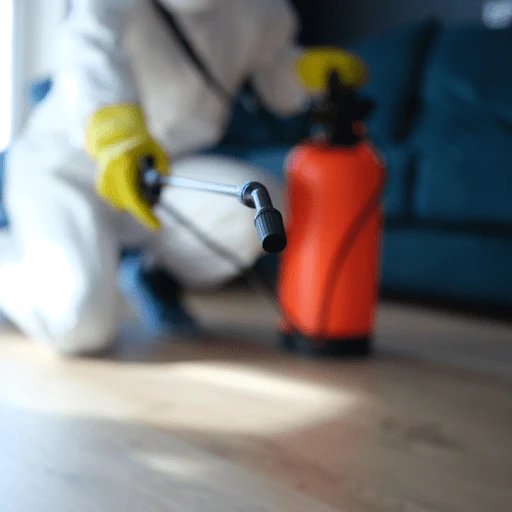
Once mold testing in Houston has identified the presence of mold and its type, the next step is mold removal and remediation. Mold removal involves physically removing the mold from contaminated surfaces. This process should be carried out by trained professionals equipped with the necessary protective gear and tools to prevent the spread of mold spores.
Mold remediation, on the other hand, involves addressing the underlying causes of mold growth and preventing its recurrence. This may include fixing leaks, improving ventilation, and maintaining proper humidity levels in the home. Mold remediation is crucial to ensure mold does not return and cause further damage to the property.
Why Professional Mold Testing and Removal are Essential:
While DIY mold testing kits may be available, they often provide limited and inaccurate results. Professional mold testing in Houston is conducted by experienced technicians with the expertise to identify mold species accurately and assess the severity of the contamination. This knowledge is essential in determining the appropriate mold removal and remediation course of action.
Likewise, professional mold removal and remediation are vital to ensure the complete and safe disposal of mold from your home. Improper mold removal attempts may disturb mold colonies, releasing more spores into the air and causing further contamination.
Conclusion:
Mold testing in Houston is a critical step in identifying and addressing the presence of indoor mold. Understanding the common types of mold found in homes allows homeowners to take appropriate actions to protect their health and property. Professional mold testing and removal are essential for accurate results and effective remediation. If you suspect mold growth in your home, do not hesitate to seek the expertise of mold testing and remediation professionals. Taking prompt and appropriate action can ensure a safe and healthy living environment for you and your family. Remember, mold testing in Houston is the first step towards achieving a mold-free home and peace of mind.



























Sign in to leave a comment.