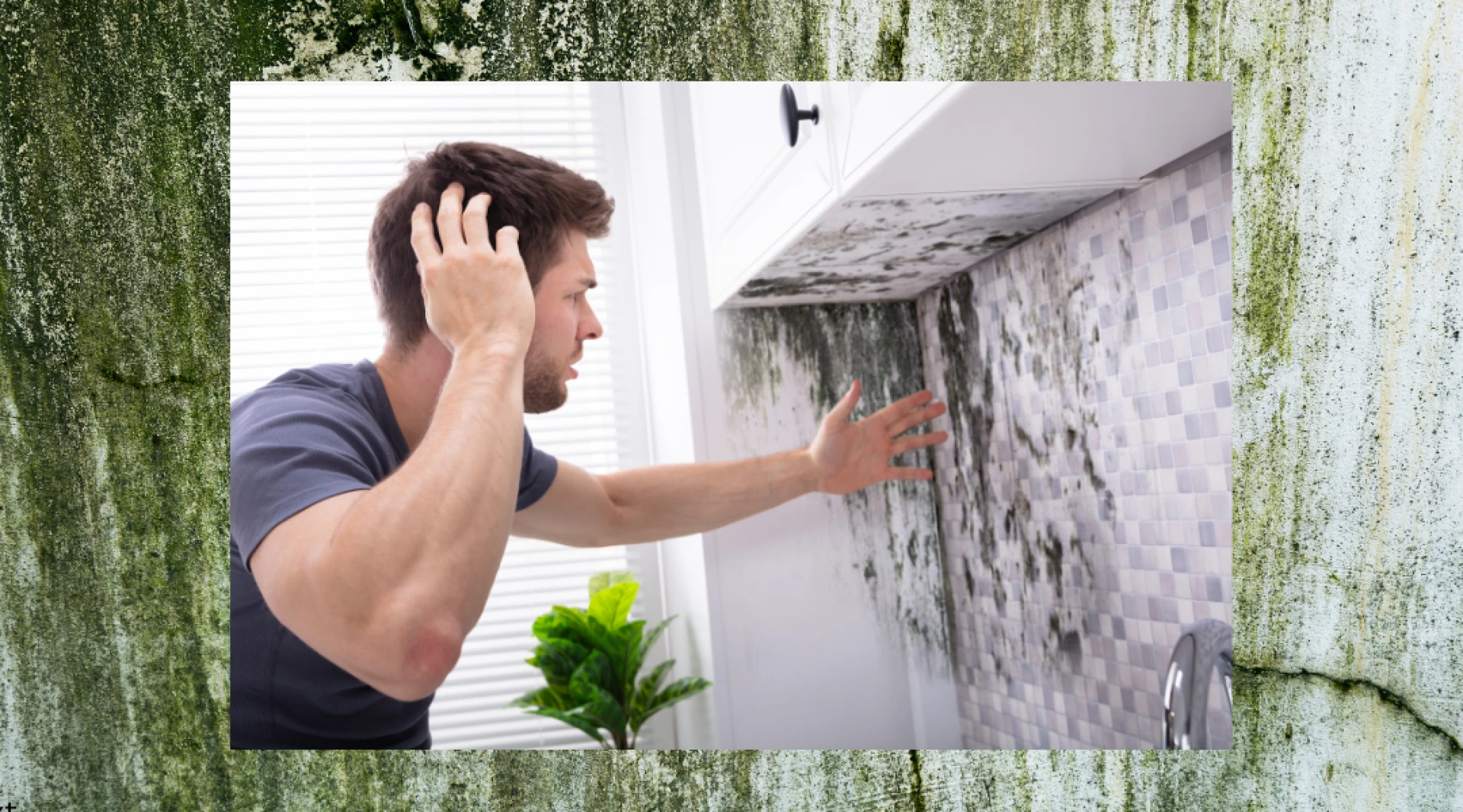

Knowing the difference between mold and mildew can protect your health, belongings, and property value when it comes to indoor air quality and home safety. The majority of people think the two are the same, but they are actually entirely different kinds of fungi with distinct traits, habits, and risks.
Understanding the difference between mold and mildew will protect your family's health, prevent structural issues, and extend the life of your house. With professional opinions from the EPA and environmental hygiene specialists, this guide discusses how they appear, smell, affect health, how to clean them, and how to avoid them.
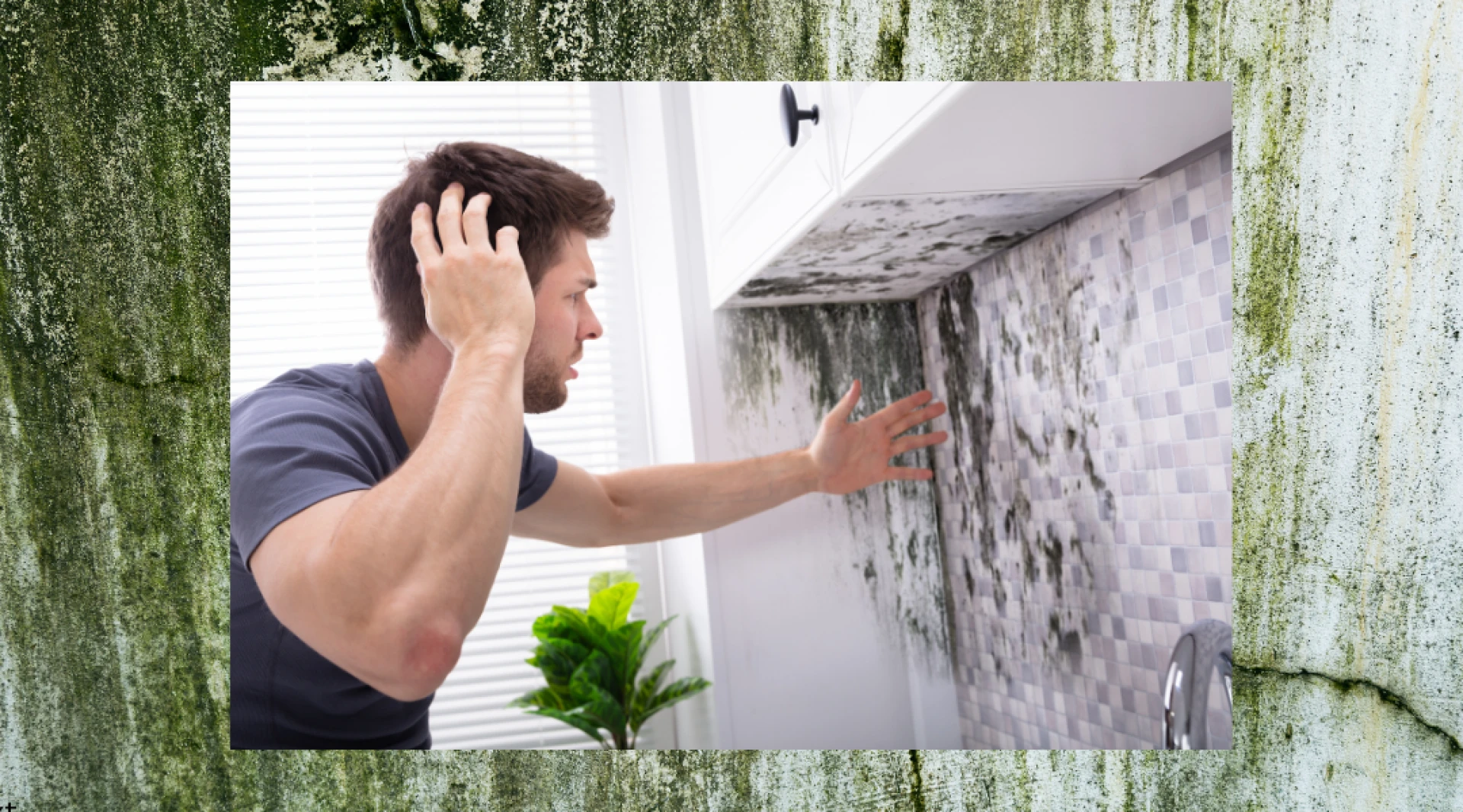
What Is the Difference Between Mold and Mildew?
While mildew is often described as a type of mold, the two are not identical. According to the U.S. Environmental Protection Agency (EPA), mildew refers to certain molds that grow in a flat pattern, primarily on surface materials.
Mildew
- Appears white, gray, or light brown
- Has a flat, powdery texture
- Grows only on the surface of materials
- Found on tiles, paper, fabrics, and window sills
Mold
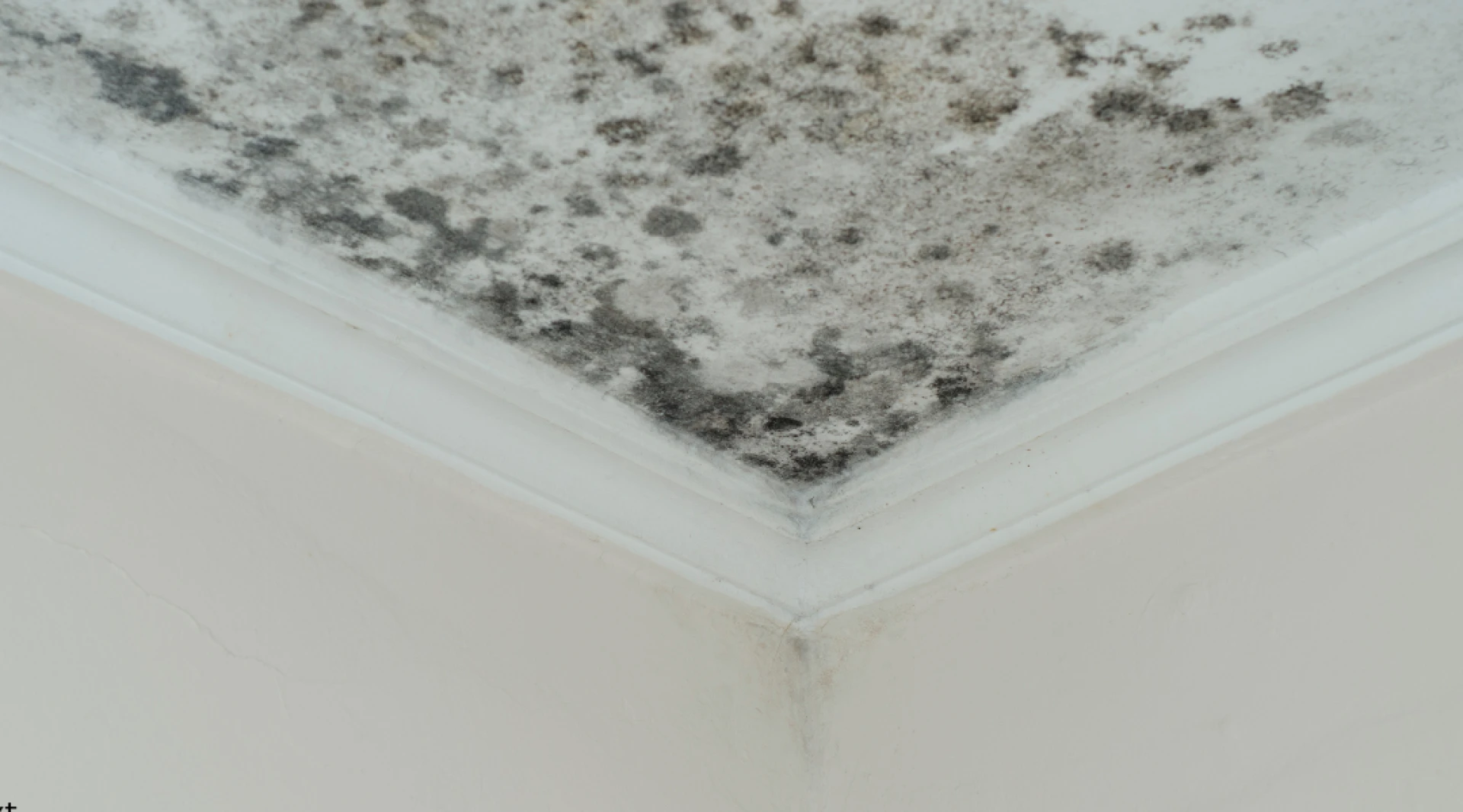
- Appears green, black, blue, or even red
- Has a fuzzy or slimy texture
- Grows deep inside materials like wood, drywall, and insulation
- Found on walls, ceilings, floors, carpets, and basements
The severity of mold makes it more dangerous, both structurally and health-wise, compared to mildew.
How to Identify Mold vs. Mildew: Appearance, Smell & Location
Understanding visual and physical clues helps you detect mold or mildew early.
Mildew Characteristics
- Color: white or gray
- Texture: flat and powdery
- Smell: light musty odor
- Common Areas: bathrooms, shower tiles, fabrics, window frames
Mold Characteristics
- Color: black, green, dark brown, or blue
- Texture: fuzzy, slimy, or spongy
- Smell: strong, earthy, pungent odor
- Common Areas: damp basements, ceilings, attics, carpets, drywall
If you notice a gray patch on shower tiles, it’s likely mildew. A soft or dark spot on drywall usually indicates mold, often requiring deeper cleaning or professional help.
Where Mold and Mildew Thrive
Both fungi love warm, moist, poorly ventilated environments. Some of the most common problem spots include:
- Bathrooms – due to high shower humidity
- Basements – dark, moist, and low-ventilation areas
- Closets – especially when damp clothes are stored
- Walls/Ceilings – especially when hidden leaks are present
- Carpets and Upholstery – when exposed to moisture
Mildew is easier to wipe away from hard surfaces, while mold can spread inside materials, weakening them over time.
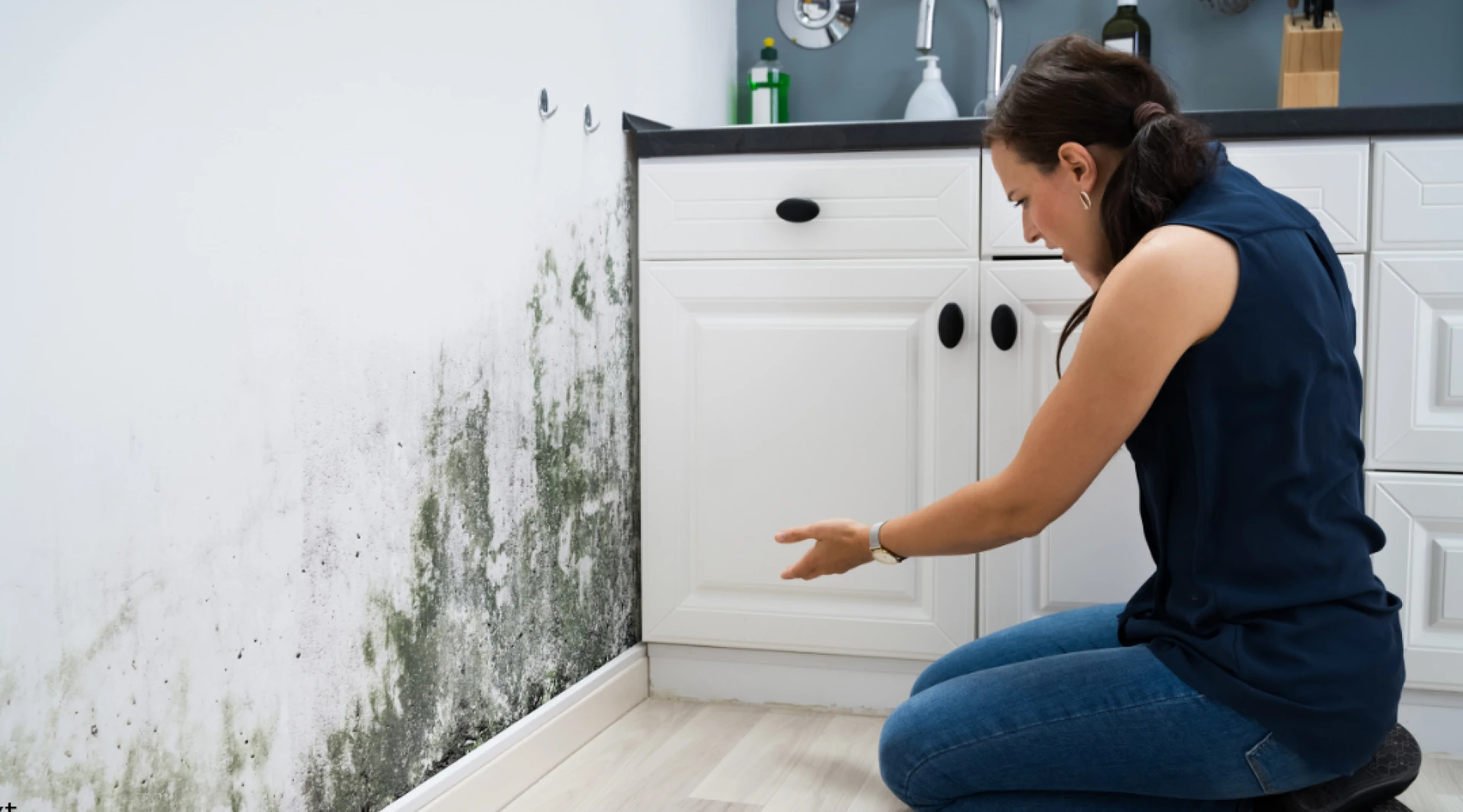
Health Risks: Why Mold Is More Dangerous
Although both mold and mildew can trigger allergies, mold poses significantly more health concerns.
Mildew Health Effects
- Mild allergies
- Sneezing
- Eye irritation
- Minor respiratory discomfort
Mold Health Effects
- Chronic coughing
- Breathing issues
- Asthma triggers
- Skin irritation
- Headaches
- Increased symptoms for people with weak immune systems
Some molds also release mycotoxins, which can be dangerous with prolonged exposure.

Cleaning and Removal: How to Treat Mold and Mildew
How to Remove Mildew
Mildew grows only on surfaces, making it easier to clean:
- Use diluted bleach, vinegar, or mildew removers
- Scrub with a brush or sponge
- Rinse thoroughly and keep the area dry
- Improve ventilation to prevent regrowth
How to Remove Mold
Mold removal depends on severity:
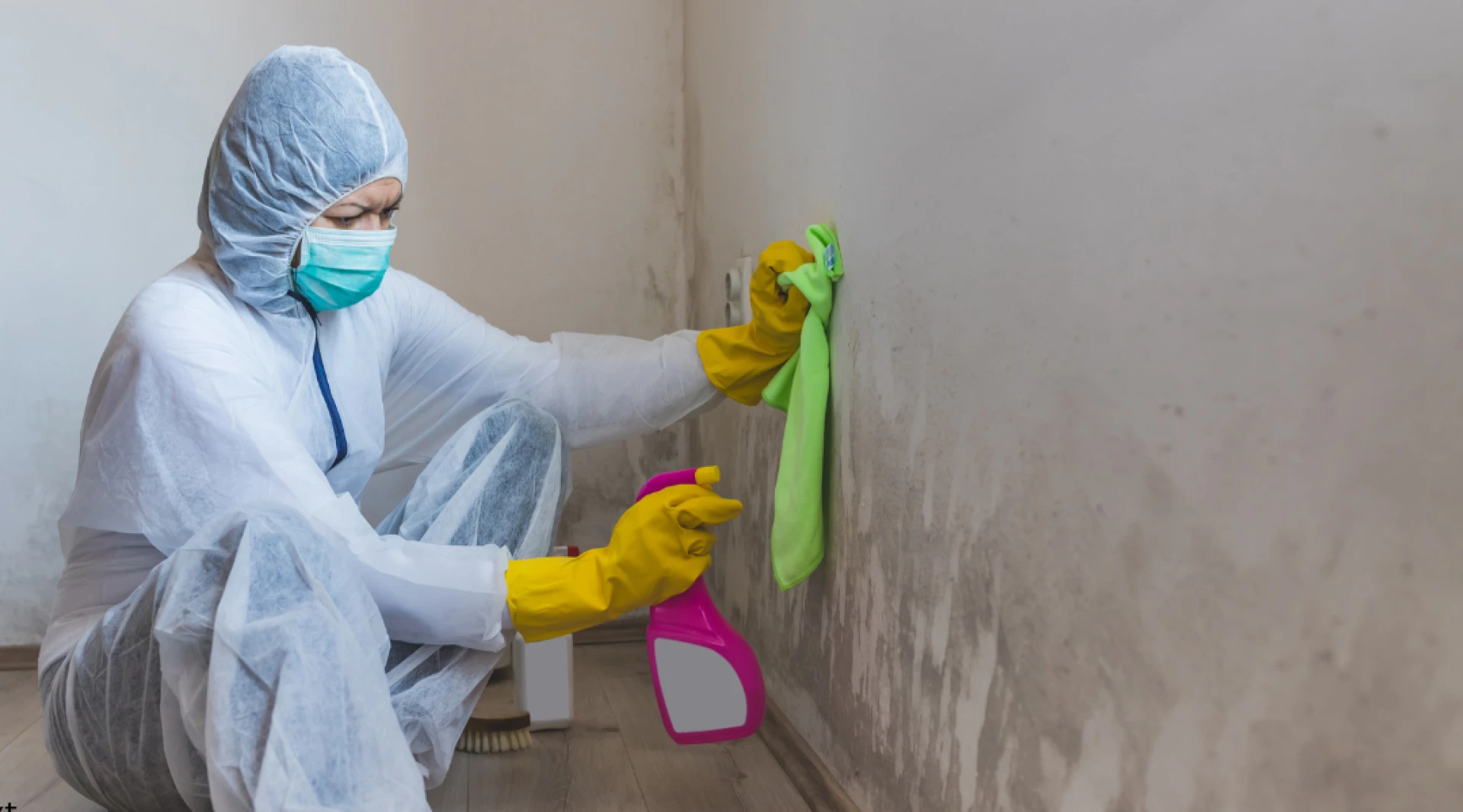
- Small areas (under 10 sq. ft.) can be cleaned with protective gear and mold-killing cleaners
- Large or deep mold infestations require professional remediation to prevent spreading spores and ensure complete removal
The earlier you detect mold, the easier and cheaper it is to eliminate.
Prevention Tips to Keep Mold and Mildew Away
Preventing moisture is the key to controlling mold and mildew.
- Keep indoor humidity between 30–50%
- Ventilate bathrooms, kitchens, and basements
- Fix leaks in roofs, windows, and pipes immediately
- Use mold-resistant paint and materials in damp areas
- Fully dry wet clothes and fabrics before storing
- Leave space for airflow in closets and storage areas
Consistent prevention helps reduce odors and improve your home’s indoor air quality.
Black Mold: A Special Warning
“Black mold,” especially Stachybotrys chartarum, is more toxic than typical household molds. It thrives in continuously damp environments and may produce harmful mycotoxins. If you notice dark, spreading patches with a strong musty smell, contact a mold remediation expert immediately.
Final Thoughts
Mold and mildew may seem similar, but their health risks, cleaning methods, and long-term impact on your home are very different. Mildew is mostly a surface nuisance, while mold can compromise your home’s structure and your family’s health. By learning how to identify, clean, and prevent both, you can create a safer, cleaner, and healthier home environment.
Also Read Here
How to get rid of mold spores naturally?
Detect water damage before it becomes a nightmare
How to prevent mold after water damage?
Also Watch
https://youtu.be/-C95ltrjH2M

























Sign in to leave a comment.