Understanding Monel Tubing
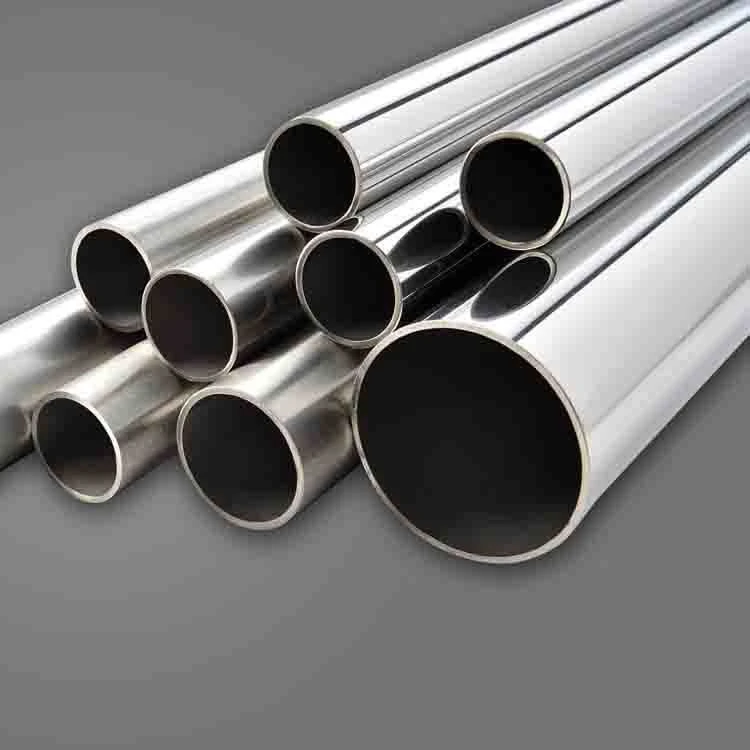
Monel tubing is a type of corrosion-resistant alloy tubing primarily composed of nickel and copper, with small amounts of other elements. It offers exceptional resistance to corrosion, making it suitable for various industries such as oil and gas, chemical processing, marine engineering, and aerospace. Monel tubing exhibits high strength, heat resistance, low magnetic permeability, and longevity. It is commonly used in applications where durability, reliability, and resistance to corrosive environments are crucial.
Features of Monel Tubing
Superior Corrosion Resistance: One key feature that sets Monel tubing apart is its exceptional corrosion resistance. The high nickel content in Monel alloys makes them highly resistant to various corrosive agents, including acids, alkalis, and seawater. This resistance makes Monel tubing an ideal choice for applications in marine environments and chemical processing industries.
High Strength: Monel tubing exhibits excellent mechanical properties, including high tensile strength and toughness. This inherent strength allows it to withstand extreme temperatures, pressures, and mechanical stresses, making it suitable for critical infrastructure components such as pipelines, heat exchangers, and valves.
Heat and Fire Resistance: Monel alloys offer remarkable resistance to heat and fire, enabling them to maintain their structural integrity even in high-temperature environments. This characteristic makes Monel tubing a preferred material in applications where fire protection is paramount, such as oil refineries, power plants, and aerospace industries.
Low Magnetic Permeability: Another notable feature of Monel tubing is its low magnetic permeability. This property makes it suitable for applications where magnetic interference needs to be minimized, such as in electrical systems, electronic devices, and medical equipment.
Benefits of Monel Tubing
Chemical Resistance: Monel tubing exhibits excellent resistance to various corrosive chemicals, including acids, alkalis, and solvents. This makes it highly suitable for applications in chemical plants, laboratories, and industrial settings where exposure to aggressive substances is common
Low Maintenance: Structures built with Monel tubing require minimal maintenance due to its inherent corrosion resistance and durability. This translates to cost savings and reduced downtime for maintenance activities.
Flexibility: Monel tubing can be easily formed, welded, and fabricated into various shapes and sizes, offering design flexibility for complex infrastructure projects. This adaptability allows engineers to create customized solutions tailored to specific requirements.
Versatility: With its wide range of properties, Monel tubing finds applications in diverse industries beyond construction. It is used in automotive components, marine equipment, electrical connectors, and even jewelry, highlighting its versatility as a material.
Dimensional Stability: Monel alloys maintain their dimensional stability under different temperature and pressure conditions. This ensures that structures built with Monel tubing retain their shape and structural integrity over time.
Resistance to Abrasion and Erosion:
Monel tubing exhibits resistance to abrasion and erosion, making it suitable for applications involving the transportation of solid particles or abrasive fluids. This includes slurry pipelines, mining equipment, and material handling systems.
Biocompatibility: Certain grades of Monel tubing are biocompatible, meaning they are well-tolerated by the human body. This makes them suitable for medical applications such as implants, surgical instruments, and dental equipment.
Aesthetic Appeal: Monel tubing offers an attractive appearance in addition to its functional benefits. Its smooth surface finish and metallic luster can enhance the visual appeal of architectural and interior design elements.



























Sign in to leave a comment.