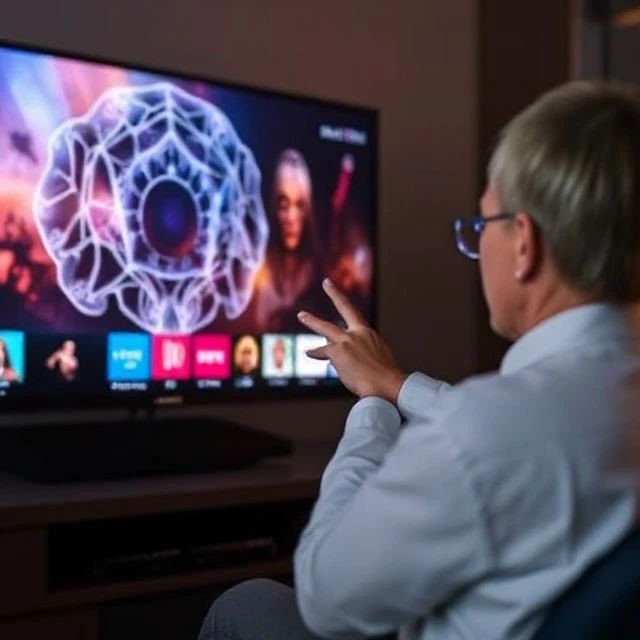

In 2026, FAST channels are no longer experimental side projects. They are structured revenue engines. What began as a way to repurpose archived content into ad-supported streams has evolved into a competitive distribution model with measurable performance benchmarks.
Yet many operators still overlook one of the most powerful monetization levers available to them: the EPG.
The epg tv guide, once treated as a static schedule grid, is now a dynamic revenue driver. When aligned with fast channel distribution strategy, it directly influences ad fill rates, CPM performance, and viewer retention.
The difference between a channel that survives and one that scales often lies inside that program guide.
The Evolution of the EPG in the FAST Ecosystem
Historically, an EPG simply displayed time slots and program titles. In 2026, it functions more like a storefront window. It shapes discovery before a single second of video plays.
Modern FAST platforms use enriched metadata, genre tagging, and preview loops within the epg tv guide interface. Channels that optimize titles, thumbnails, and descriptions consistently outperform those that rely on generic labeling.
For example, a listing titled “Documentary Block” may struggle to attract clicks. A more specific entry such as “Cold War Tech Mysteries Marathon” invites curiosity. That difference affects tune-in rates, which in turn affects ad impressions.
In short, better guide visibility leads to stronger monetization outcomes.
Ad Fill Optimization Through Smarter Scheduling
Ad fill rate remains a defining metric for FAST profitability. Unsold inventory represents lost opportunity. In 2026, AI-driven scheduling tools integrate directly with program guides to maximize available ad slots.
When EPG data clearly signals upcoming content themes, ad demand algorithms can pre-allocate higher-value campaigns. If the guide highlights a prime-time true crime block, contextual advertisers can bid more aggressively in advance.
This synchronization between epg tv guide metadata and ad servers improves fill consistency. It also reduces last-minute remnant inventory.
FAST operators who align programming blocks with predictable advertiser demand patterns see measurable improvement in both fill rates and viewer experience.
CPM Growth in a Data-Driven Environment
CPM performance in 2026 depends heavily on contextual alignment and audience precision. FAST channels no longer rely solely on broad demographic targeting. They leverage behavioral data drawn from viewing patterns, session length, and content preferences.
The EPG plays an unexpected role here. Accurate metadata feeds recommendation engines, which cluster viewers into interest-based segments. Those segments command higher CPMs because advertisers trust their relevance.
For example, a channel consistently tagging niche automotive restoration programming within its guide may attract specialty tool manufacturers willing to pay premium rates. Without precise tagging inside the EPG, that opportunity weakens.
Data clarity supports pricing power.
Viewer Data as a Strategic Asset
Viewer behavior on FAST platforms provides continuous feedback. Drop-off points, peak viewing windows, and re-engagement patterns inform scheduling adjustments.
Operators analyzing viewer transitions between listings inside the epg tv guide can identify friction points. If audiences frequently abandon a channel after a specific time block, it may indicate weak program alignment or overexposed ad frequency.
In 2026, analytics dashboards integrate guide-level insights with playback metrics. This allows operators to refine their schedule not only for content flow but also for monetization efficiency.
Viewer data transforms the guide from a static calendar into a living optimization tool.
FAST Channel Distribution and Guide Positioning
Placement within platform interfaces significantly impacts performance. Fast channel distribution agreements increasingly consider guide ranking and category placement.
Channels listed within clearly defined genres, supported by consistent metadata structure, are more likely to appear in curated rows and personalized recommendations.
Distribution partners now evaluate EPG quality during onboarding. Sloppy metadata, inconsistent scheduling, or incomplete descriptions can delay approvals or limit visibility.
Strong guide discipline signals operational professionalism.
The Role of AI in EPG Personalization
Artificial intelligence has reshaped how guides function. Many platforms now personalize the epg tv guide layout based on user preferences. Instead of a universal grid, viewers see prioritized channels aligned with their viewing history.
For FAST operators, this means metadata precision influences algorithmic favorability. Consistent tagging increases the probability of surfacing in personalized recommendations.
AI also forecasts underperforming blocks and suggests schedule swaps to optimize retention. Rather than manually reshuffling time slots, operators can rely on predictive modeling to refine programming.
This automation enhances both audience engagement and advertising performance.
Balancing Monetization with Viewer Experience
While ad fill and CPM growth are essential, viewer tolerance remains critical. Excessive ad density can undermine long-term loyalty.
In 2026, advanced pacing tools allow channels to adjust break length dynamically based on real-time engagement signals. If viewer drop-off spikes during extended commercial pods, the system can compress subsequent breaks.
The EPG helps set expectations. Clearly labeled program durations and transparent scheduling reduce viewer frustration. Predictability builds trust, even in an ad-supported environment.
Sustainable monetization depends on respecting attention.
Future Outlook: The Guide as Revenue Infrastructure
As FAST continues expanding globally, the epg tv guide will play an even larger strategic role. It will not simply list programs. It will influence ad pricing models, distribution negotiations, and platform algorithm visibility.
Operators who treat guide management as an afterthought risk underperforming in competitive ecosystems. Those who integrate EPG optimization into fast channel distribution strategy position themselves for stronger monetization resilience.
The guide is no longer a passive feature. It is infrastructure.
Conclusion: Turning Listings into Leverage
Monetizing FAST channels in 2026 requires more than compelling content. It demands structured optimization at every layer of the distribution chain.
By aligning EPG precision with ad demand forecasting, refining scheduling through viewer data insights, and maintaining disciplined fast channel distribution practices, operators can significantly improve ad fill and CPM outcomes.
In a market where margins depend on efficiency, even small improvements in guide clarity can produce meaningful revenue gains.
The program grid may look simple. But behind it, in 2026, sits one of the most powerful levers in FAST channel monetization.
































Sign in to leave a comment.