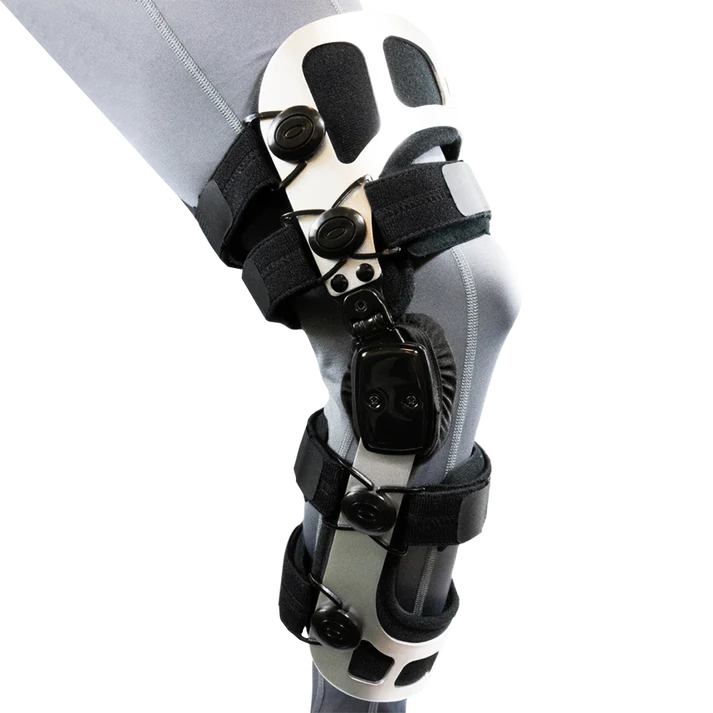

In orthopedic recovery, wearing a brace is only part of the treatment. The real challenge begins after the patient leaves the clinic. Doctors often find that healing depends not just on the brace itself, but on how consistently it is used.
Studies from orthopedic research groups show that patient compliance plays a major role in successful recovery. When braces are worn as recommended, they help stabilize joints and reduce strain during healing. For this reason, healthcare providers now pay closer attention to how patients use their braces and how easily they can access reliable orthopedic support
Why Compliance Matters in Brace Therapy
Orthopedic braces support joints, reduce strain, and limit harmful movement. Doctors prescribe them to help injured tissues heal safely.
However, a brace only works if the patient actually wears it.
Poor compliance may cause several problems:
- Slower healing
- Increased joint instability
- Return of pain or swelling
- Higher risk of reinjury
Research from orthopedic rehabilitation studies shows that consistent brace use improves recovery outcomes. This is why doctors now place greater attention on monitoring brace use during treatment.
Common Reasons Patients Stop Wearing Braces
Patients do not always ignore medical advice intentionally. In many cases, practical issues lead to poor compliance.
Some common reasons include:
1. Discomfort: If a brace feels tight, heavy, or hot, patients may remove it earlier than advised.
2. Lack of understanding: Some patients stop using the brace when pain decreases, assuming it is no longer needed.
3. Daily routine challenges: Wearing a brace during work or physical activity may feel inconvenient.
4. Delayed access to equipment: If a patient waits too long to receive the brace, the habit of wearing it may not develop.
These factors show why patient education and timely access to braces are important parts of therapy.
The Role of Healthcare Providers in Monitoring Compliance
Doctors, therapists, and clinical staff play a major role in improving brace compliance.
The first step is clear communication. Patients should understand:
- Why the brace is needed
- How long it should be worn
- When it can be removed
Short and clear instructions help patients follow treatment plans more easily. Follow-up appointments also allow providers to check if the brace fits properly and if the patient is using it regularly. When patients feel supported, they are more likely to stay consistent with therapy.
Simple Ways Clinics Track Brace Usage
Monitoring compliance does not always require complex technology. Many clinics use simple methods.
1. Patient check-ins: Therapists often ask patients how many hours they wear the brace each day.
2. Progress observation: Improvement in stability and pain levels can indicate consistent use.
3. Brace condition checks: Wear patterns on straps or fabric may show how frequently the brace is used.
Some modern braces may include small sensors that track movement, but even basic monitoring methods can be effective when communication is strong.
How Comfort and Fit Improve Compliance
Comfort is one of the biggest reasons patients continue wearing braces.
A brace should:
- Fit properly around the joint
- Allow safe movement
- Use breathable materials
- Include adjustable straps
When a brace fits well, patients can wear it for longer periods without irritation.
Healthcare providers often adjust straps or sizing during follow-up visits to improve comfort. Small changes can make a big difference in long-term use.
Improving Access to Orthopedic Braces
Access also affects compliance. If patients struggle to obtain the required brace, therapy may be delayed. Many clinics now rely on suppliers that act as a fast shipping bulk orthopedic brace distributor. Quick delivery allows patients to start using the brace soon after diagnosis.
Online availability also helps. When patients can find affordable orthopedic braces online, replacing or adjusting braces becomes easier. This accessibility supports continuous use during recovery.
Educating Patients for Better Results
Patient education plays an important role in improving brace compliance. Doctors explain how the brace protects the injured area and limits movements that may slow healing. They also stress the importance of wearing it regularly.
Simple demonstrations showing how to wear and adjust the brace help reduce confusion. When patients understand the purpose, they are more likely to follow instructions.
Bottom Line
Orthopedic brace therapy works best when patients follow the treatment plan consistently. Monitoring compliance helps healthcare providers ensure that braces are used as intended.
Clear instructions, proper fit, and easy access to equipment all play a role in improving brace use. Clinics often rely on dependable supply chains, including a fast shipping bulk orthopedic brace distributor, to make sure patients receive braces quickly.
When braces are accessible and comfortable, and patients understand their importance, therapy becomes more effective. Consistent brace use supports healing, improves joint stability, and helps patients return to daily activities with greater confidence.

























Sign in to leave a comment.