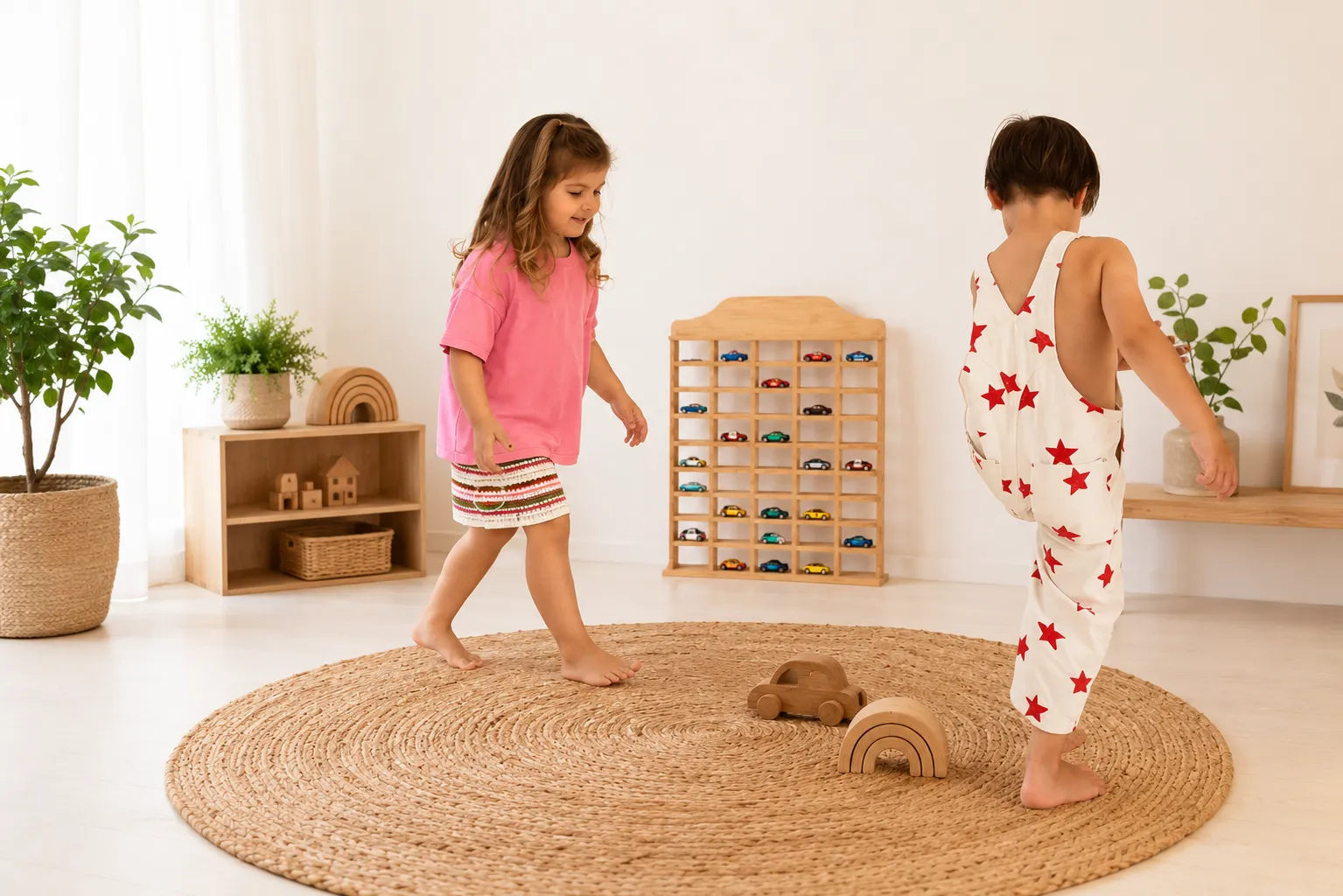
Over the past few years, Australian families have started rethinking how children's play spaces are designed. Rather than filling rooms with excessive toys, bright plastic storage, and electronic gadgets, many parents are embracing a simpler and more purposeful approach. This shift has led to the growing popularity of Montessori-inspired play areas across Australian households.
Rooted in the educational philosophy developed by Dr Maria Montessori, this approach focuses on creating environments that encourage independence, creativity, and self-directed learning. While Montessori principles were once mainly associated with schools and early learning centres, they are now influencing how families organise their homes and playrooms.
What Makes a Montessori-Inspired Play Area Different?
A Montessori-inspired play space is designed with the child in mind. Every item is accessible, purposeful, and easy for children to use independently. Instead of overwhelming children with endless choices, these spaces often feature carefully selected toys, open shelving, and natural materials.
The goal is not to create a perfectly styled room for social media photos. It is about building an environment that helps children learn through exploration and hands-on experiences.
Many Australian parents appreciate this approach because it supports both child development and household organisation. A well-designed play area often feels calmer, cleaner, and more functional for the entire family.
Why Australian Families Are Embracing Montessori Principles?
Modern family life can be busy and cluttered. Parents are looking for practical ways to reduce stress while creating meaningful experiences for their children. Montessori-inspired spaces align well with these goals.
One of the key benefits is encouraging independence from an early age. Children can choose activities on their own, return toys to their proper places, and develop confidence through everyday decision-making.
Parents also appreciate the emphasis on quality over quantity. Rather than buying large numbers of toys, families often invest in durable products that offer long-term value and educational benefits.
This approach also aligns with Australia's growing interest in sustainable living. Natural wood furniture, eco-friendly toys, and timeless storage solutions fit comfortably within both Montessori philosophy and environmentally conscious lifestyles.
The Importance of Natural Materials
Wood plays a major role in Montessori-inspired environments. Unlike many brightly coloured plastic alternatives, wooden toys often provide a more sensory and realistic play experience.
Natural materials encourage imaginative play because they are less distracting and more open-ended. Children can use them in multiple ways rather than being restricted to a single purpose.
Many Australian families are choosing wooden toys, storage units, and activity stations that blend seamlessly with their home interiors while supporting child development.
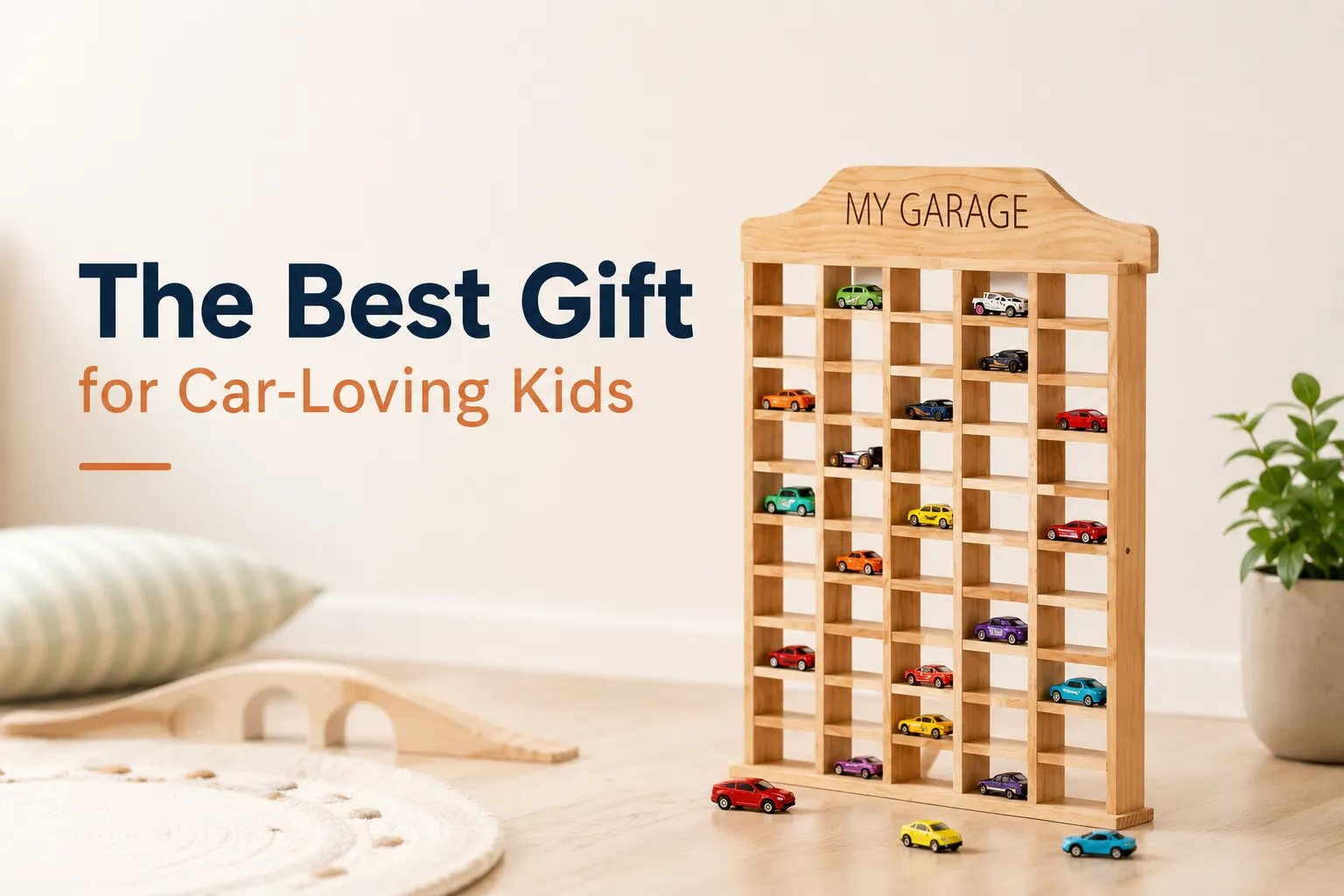
Products such as wooden toy garages are becoming increasingly popular because they combine imaginative play with thoughtful organisation. They offer children a dedicated space for their favourite toy vehicles while helping parents keep play areas tidy and structured.
Creating a Child-Friendly Environment
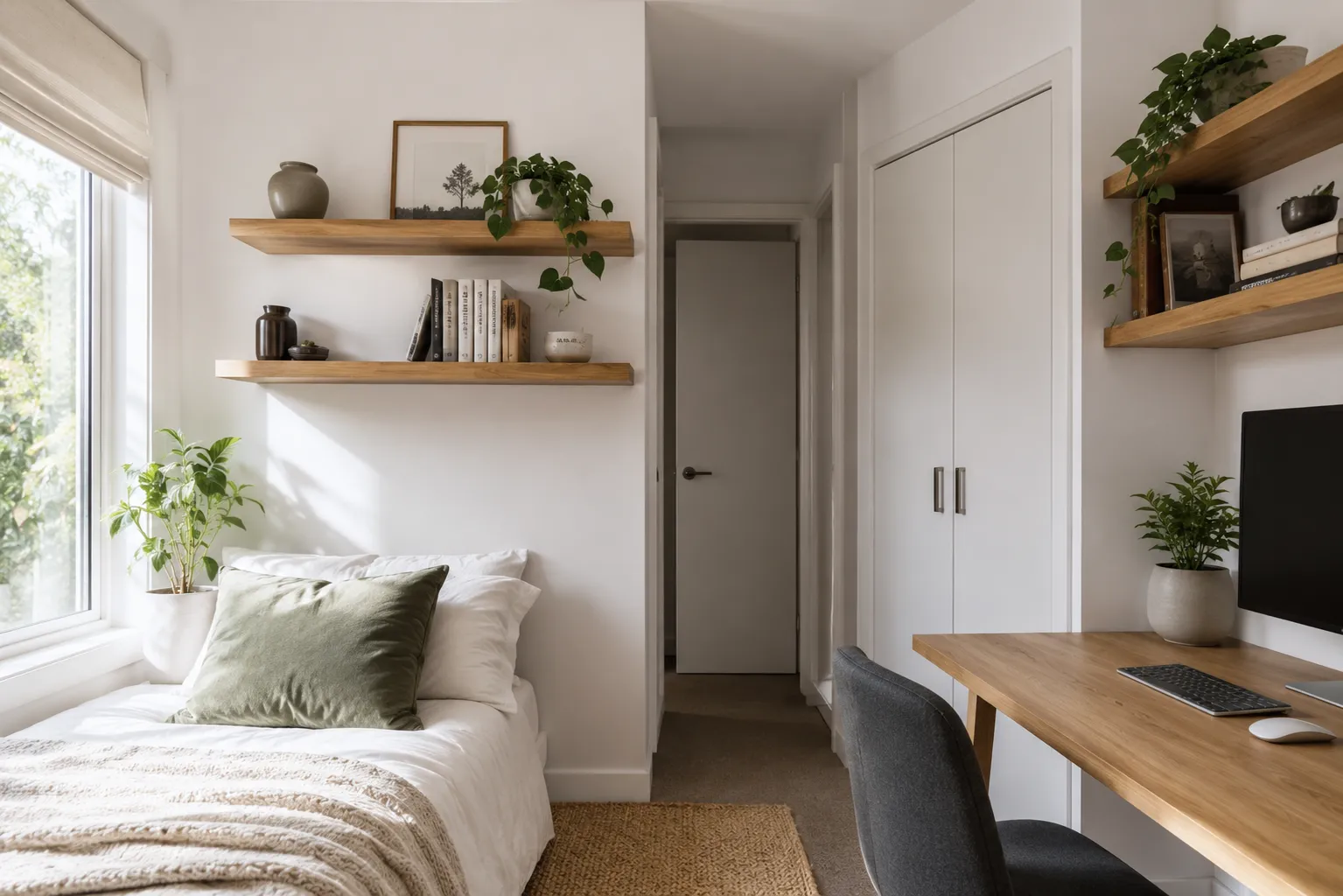
One of the defining features of Montessori-inspired spaces is accessibility. Furniture and storage are positioned at a child's height, making it easy for them to interact with their environment without constant adult assistance.
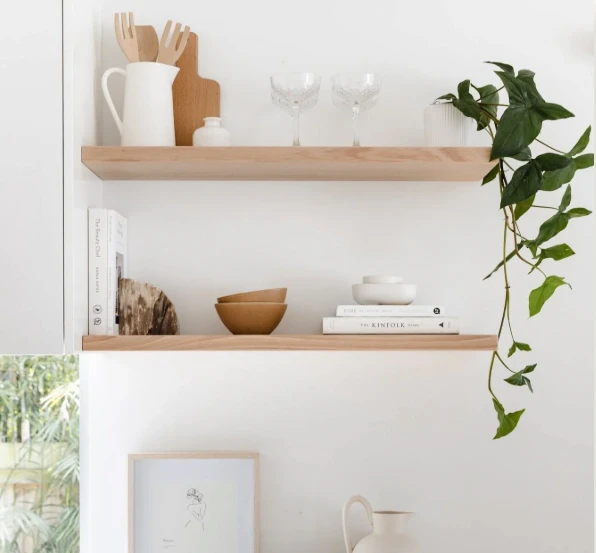
Open shelving is often preferred over large toy boxes. Instead of dumping toys into a container, children can clearly see their available options and return items to their designated places after use.
This simple change can help children develop responsibility and organisational skills naturally through daily routines.
Parents often rotate toys regularly as well. By displaying only a small selection at one time, children remain engaged and less overwhelmed. This practice can also make existing toys feel new again without requiring additional purchases.
Supporting Creativity Through Simplicity
One reason Montessori-inspired play spaces continue to gain popularity is their ability to encourage creative thinking.
When children are presented with fewer distractions, they often spend more time exploring, imagining, and problem-solving. Open-ended toys such as wooden blocks, toy vehicles, puzzles, and construction sets can provide hours of meaningful play without the need for batteries or screens.
These activities help develop concentration, fine motor skills, and critical thinking while allowing children to learn at their own pace.
Australian parents are increasingly recognising that meaningful play does not require the latest technology. Often, the simplest play experiences create the strongest developmental benefits.
A Lasting Trend in Australian Homes
The rise of Montessori-inspired play areas reflects a broader shift towards intentional parenting and purposeful home design. Families are looking beyond trends and focusing on what genuinely supports their children's growth and wellbeing.
By creating organised, accessible, and thoughtfully designed play spaces, parents can foster independence, creativity, and confidence from an early age.
As more Australian households embrace natural materials, sustainable products, and child-centred environments, Montessori-inspired play areas are likely to remain a popular choice for years to come. They offer a practical way to support learning while creating calm and inviting spaces that work for both children and parents.






















Sign in to leave a comment.