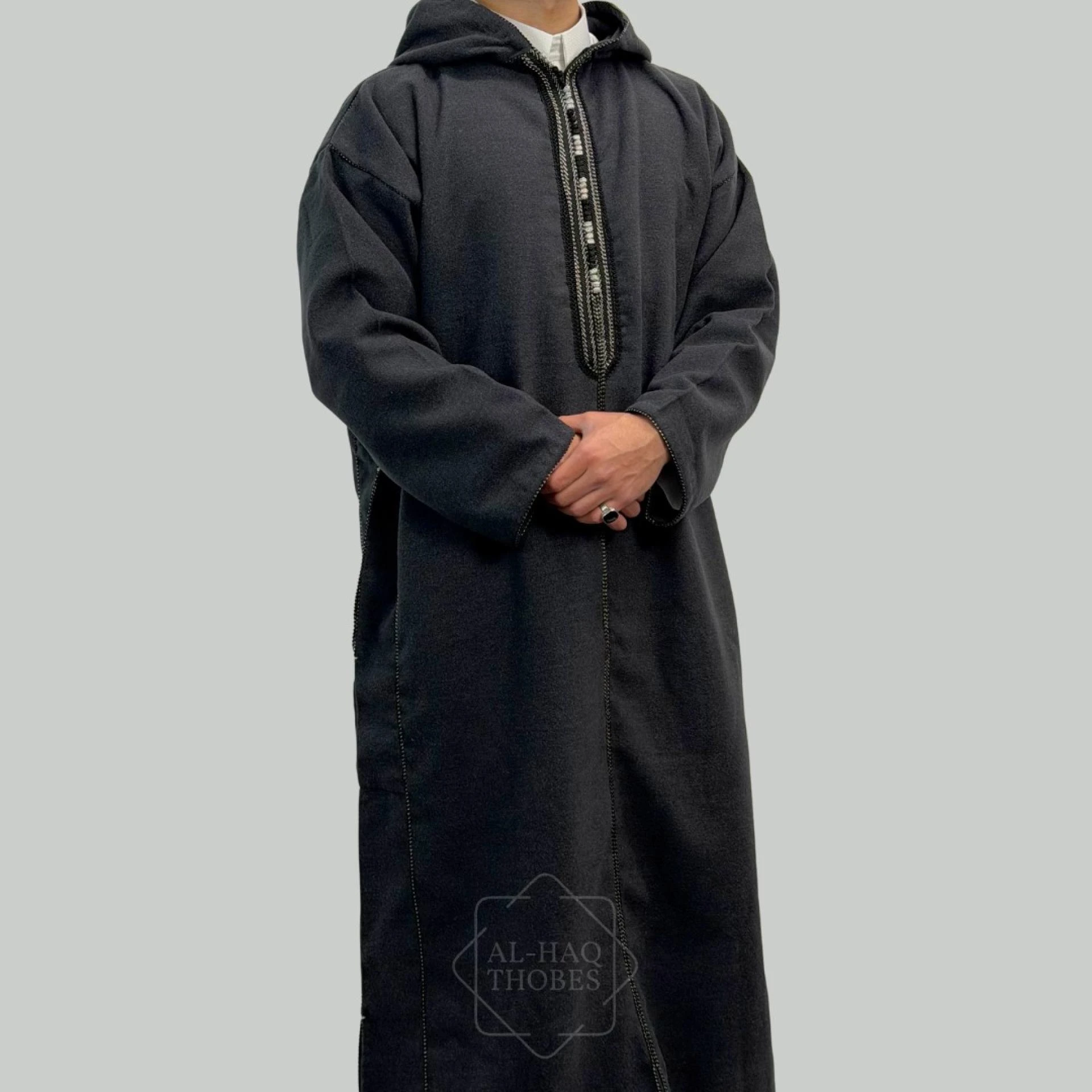
The Moroccan thobe, often referred to as the Moroccan djellaba or gandoura, is more than just a traditional garment it is a powerful symbol of Moroccan heritage, craftsmanship, and modest fashion. Worn by men, women, and children across Morocco and beyond, the Moroccan thobe represents centuries of cultural evolution blended seamlessly with modern style. Distinguished by its flowing silhouette, refined details, and premium fabrics, the Moroccan thobe continues to hold a respected place in both everyday wear and special occasions.
Historical Roots of the Moroccan Thobe
The origins of the Moroccan thobe date back hundreds of years, deeply rooted in North African and Islamic history. Traditionally worn by scholars, royalty, and common people alike, it was designed to provide comfort in Morocco’s diverse climate cool in the heat and warm during colder seasons. Over time, regional variations emerged, influenced by Andalusian, Berber, and Arab cultures. Despite these changes, the essence of the Moroccan thobe has remained consistent: modesty, elegance, and practicality.
Distinctive Features of the Moroccan Thobe
Unique Design and Silhouette
One of the most recognizable features of the Moroccan thobe is its relaxed, flowing cut, which allows ease of movement and breathability. Many designs include a hood (known as a “qob”), originally intended to protect against sun, wind, or cold. The garment often falls to the ankles, emphasizing modesty while maintaining a dignified appearance.
Fine Fabrics and Materials
Moroccan thobes are crafted from a variety of fabrics depending on the season and occasion. Lightweight cotton and linen are popular for everyday wear, while luxurious materials such as wool blends, silk, or velvet are reserved for formal events, weddings, and religious celebrations. High-quality fabric is a defining characteristic, contributing to both comfort and longevity.
Intricate Embroidery and Details
What truly sets the Moroccan thobe apart is its handcrafted embroidery, often done around the neckline, chest, sleeves, and seams. These intricate patterns reflect traditional Moroccan artistry and can vary from simple, minimal stitching to elaborate, ornate designs. The embroidery is not merely decorative it tells a story of regional identity and skilled craftsmanship passed down through generations.
When and How the Moroccan Thobe Is Worn
The Moroccan thobe is incredibly versatile. It is worn daily by many people, particularly during prayers or social gatherings, while more elaborate versions are reserved for Eid, weddings, Friday prayers, and formal ceremonies. Its adaptability has also made it popular outside Morocco, especially among those who appreciate modest fashion with cultural depth.
In modern times, Moroccan thobes are styled in contemporary ways paired with sandals, leather slippers, or even minimalist footwear making them suitable for both traditional and modern settings.
The Moroccan Thobe in Modern Fashion
Today, the Moroccan thobe has transcended cultural boundaries. Designers have introduced modern cuts, subtle color palettes, and refined embroidery to appeal to a global audience. Neutral tones such as white, beige, grey, and navy remain classics, while richer colors like emerald green, burgundy, and royal blue add a luxurious touch.
Despite modernization, the core values of the Moroccan thobe modesty, elegance, and craftsmanship remain untouched, allowing it to retain its authenticity while embracing contemporary fashion trends.
Why the Moroccan Thobe Remains Popular
The enduring popularity of the Moroccan thobe lies in its perfect balance of tradition and comfort. It is modest without being restrictive, elegant without being excessive, and traditional without feeling outdated. For many, wearing a Moroccan thobe is not just about clothing it is about identity, pride, and connection to cultural roots.
Conclusion
The Moroccan thobe stands as a timeless garment that beautifully represents Moroccan culture, history, and artistry. From its flowing design and premium fabrics to its intricate embroidery and cultural significance, it remains a powerful symbol of elegance and modesty. Whether worn for daily comfort, religious devotion, or special celebrations, the Moroccan thobe continues to captivate generations around the world. In an ever-changing fashion landscape, it proves that true style is not defined by trends, but by heritage, craftsmanship, and enduring values. Visit the official website of al-haqthobes.com

















Sign in to leave a comment.