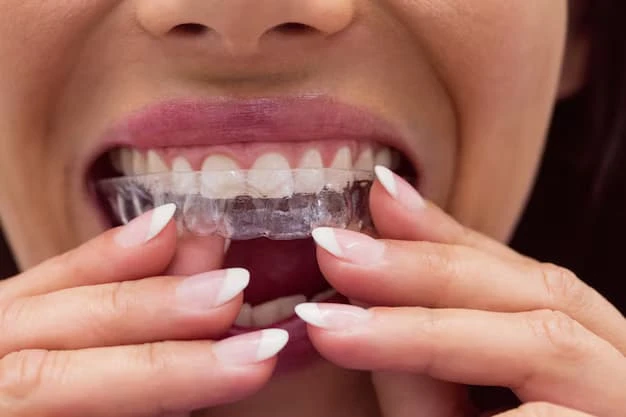

Protecting teeth from injury and long term damage is an essential part of maintaining oral health. Mouth guards are widely used dental appliances designed to shield teeth, gums, and jaw structures from excessive force or impact. Whether worn during athletic activities or at night to manage teeth grinding, mouth guards play a critical role in preventing injuries and preserving smiles.
Many individuals underestimate the importance of mouth guards until damage occurs. Sports related dental injuries and nighttime grinding can lead to chipped teeth, fractures, jaw pain, and other complications. Understanding how mouth guards work, the different types available, and how to care for them properly helps people make informed decisions about their oral health and overall well being.
Understanding Mouth Guards and Their Purpose
Mouth guards are protective devices worn over the teeth. They are designed to absorb and distribute forces that could otherwise harm teeth and supporting structures. These appliances are commonly recommended for athletes involved in contact sports and for individuals who grind or clench their teeth during sleep.
The primary purpose of mouth guards is prevention. By creating a protective barrier, mouth guards reduce the risk of dental trauma, soft tissue injuries, and jaw stress. They also help minimize long term wear on teeth caused by grinding.
How Mouth Guards Protect Oral Structures
Mouth guards cushion the teeth against sudden impacts or continuous pressure. In sports, they help prevent broken teeth, lip injuries, and jaw fractures. For night grinding, mouth guards reduce the direct contact between upper and lower teeth, limiting enamel wear and easing muscle tension.
This protective function supports both short term comfort and long term oral health.
Mouth Guards for Sports Protection
Athletic activities often involve physical contact, falls, or sudden movements that increase the risk of dental injuries. Mouth guards are an essential piece of protective equipment for athletes of all ages.
Importance of Mouth Guards in Contact Sports
Sports such as football, basketball, hockey, soccer, and martial arts carry a higher risk of oral injuries. Even non contact sports can result in accidents that affect the mouth and teeth. Mouth guards help absorb shock from blows to the face, reducing the likelihood of chipped or knocked out teeth.
For young athletes, wearing mouth guards encourages safe habits and protects developing teeth from permanent damage.
Types of Sports Mouth Guards
There are several types of mouth guards used in sports. Stock mouth guards are pre formed and ready to wear but may offer limited comfort. Boil and bite mouth guards are softened in hot water and shaped to fit the teeth, providing a better fit.
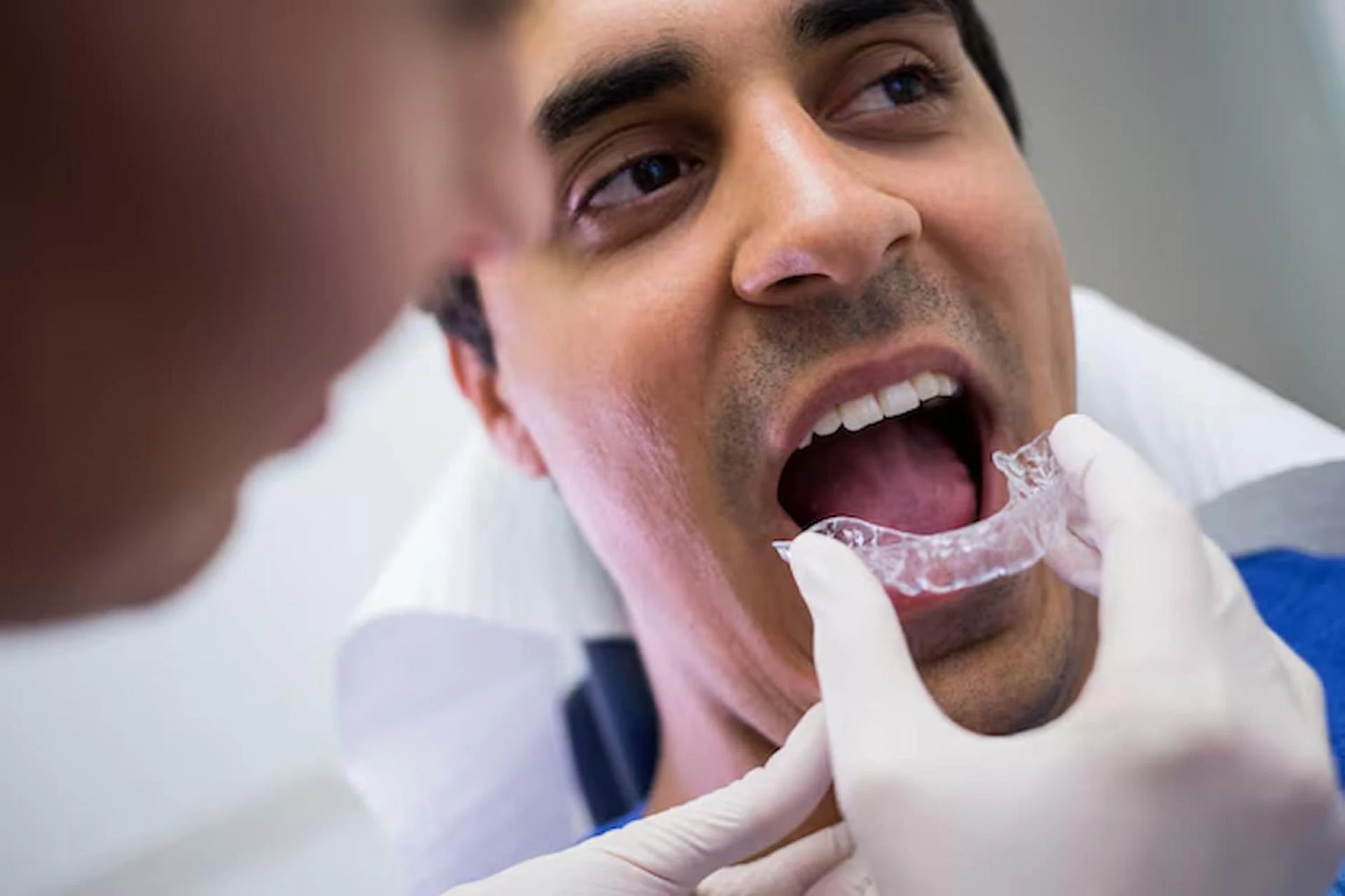
Custom fitted mouth guards are designed to match an individual’s bite precisely. These offer superior comfort, retention, and protection compared to generic options.
Mouth Guards for Night Grinding
Night grinding, also known as bruxism, affects many individuals and often occurs without awareness. Over time, grinding can cause significant damage to teeth and jaw joints.
Causes and Effects of Teeth Grinding
Teeth grinding may be linked to stress, anxiety, sleep disorders, or bite misalignment. Persistent grinding can wear down enamel, leading to sensitivity and increased risk of cavities. It can also cause headaches, jaw pain, and muscle fatigue.
Mouth guards designed for night use help protect teeth and reduce strain on jaw muscles.
How Night Mouth Guards Work
Night mouth guards create a physical barrier between the upper and lower teeth. This prevents direct tooth to tooth contact and distributes pressure evenly. By reducing grinding forces, mouth guards help minimize enamel wear and relieve jaw discomfort.
Consistent use can improve sleep quality and reduce morning soreness.
Differences Between Sports and Night Mouth Guards
While both types of mouth guards serve protective purposes, they are designed differently based on their specific use.
Design and Thickness Variations
Sports mouth guards are typically thicker and more durable to withstand impact. They are designed to stay securely in place during movement and physical contact.
Night mouth guards are usually thinner and shaped to promote comfort during sleep. Their focus is on reducing pressure rather than absorbing sudden impacts.
Customization Based on Purpose
Customization plays a key role in the effectiveness of mouth guards. Sports mouth guards must fit securely to prevent displacement during activity. Night mouth guards must align properly with the bite to reduce grinding forces without causing discomfort.
Using the appropriate type of mouth guard for each purpose ensures optimal protection and comfort.
Benefits of Using Mouth Guards Regularly
Wearing mouth guards consistently offers numerous advantages for oral and overall health.
Prevention of Dental Injuries
Mouth guards significantly reduce the risk of broken or lost teeth. This preventive measure helps avoid costly and complex dental treatments in the future.
For athletes, mouth guards also reduce the risk of soft tissue injuries to the lips, cheeks, and tongue.
Protection Against Long Term Tooth Wear
For individuals who grind their teeth, mouth guards help preserve enamel and prevent structural damage. This protection supports long term tooth strength and reduces sensitivity.
Regular use can also help maintain proper bite alignment.
Supporting Jaw Health
Mouth guards reduce stress on the jaw joints and muscles. This can help alleviate jaw pain, clicking, and tension associated with grinding or clenching.
Improved jaw comfort contributes to better overall quality of life.
Choosing the Right Mouth Guards
Selecting the right mouth guard depends on individual needs, lifestyle, and oral health concerns.
Factors to Consider
Comfort, fit, durability, and purpose are key factors when choosing mouth guards. A poorly fitting appliance may be uncomfortable or ineffective.
It is important to consider whether the mouth guard will be used for sports, night grinding, or both, as this affects design and material choices.
Importance of Proper Fit
A well fitting mouth guard stays in place, allows normal breathing, and does not interfere with speech or sleep. Proper fit enhances protection and encourages consistent use.
Custom options often provide the best balance of comfort and effectiveness.
Caring for Mouth Guards Properly
Proper care extends the lifespan of mouth guards and ensures hygiene.
Cleaning and Storage
Mouth guards should be cleaned after each use with mild soap and water. Allowing them to air dry before storage helps prevent bacterial growth.
They should be stored in a ventilated case to protect them from damage.
When to Replace Mouth Guards
Mouth guards may need replacement if they show signs of wear, cracking, or changes in fit. Children and teenagers may require new mouth guards more frequently as their teeth grow and shift.
Regular evaluation helps ensure continued protection.
Mouth Guards for Children and Teens
Young individuals benefit greatly from mouth guards, especially those involved in sports or experiencing early signs of grinding.
Encouraging Safe Habits Early
Introducing mouth guards at a young age helps establish protective habits. Children who wear mouth guards during sports are less likely to experience dental injuries.
This early awareness supports long term oral health.
Monitoring Growth and Fit
As children grow, their mouth guards may need adjustment or replacement. Ensuring proper fit helps maintain comfort and effectiveness.
Regular monitoring supports safe and effective use.
Addressing Common Concerns About Mouth Guards
Some individuals hesitate to use mouth guards due to concerns about comfort or convenience.
Comfort and Adaptation
Modern mouth guards are designed with comfort in mind. While there may be a short adjustment period, most users adapt quickly and find that mouth guards become a natural part of their routine.
Choosing the right fit significantly improves comfort.
Safety and Effectiveness
Mouth guards are safe and widely recommended for injury prevention and grinding management. Their effectiveness depends on consistent use and proper care.
Understanding their benefits helps overcome hesitation and encourages regular use.
Long Term Oral Health Benefits of Mouth Guards
Mouth guards are an investment in preventive care. By protecting teeth and supporting jaw health, they help reduce the risk of future dental issues.
Over time, consistent use of mouth guards can preserve natural teeth, reduce discomfort, and support a healthier smile. This preventive approach aligns with overall wellness goals.
Conclusion
Mouth guards are essential tools for protecting teeth during sports and managing night grinding. They help prevent dental injuries, reduce enamel wear, and support jaw comfort for individuals of all ages. By choosing the right type of mouth guard and caring for it properly, people can enjoy lasting oral health benefits and greater peace of mind.
For patients seeking professional guidance and high quality dental protection solutions, Clove Dental Sherman Oaks is committed to supporting healthy smiles through personalized and preventive dental care.

























Sign in to leave a comment.