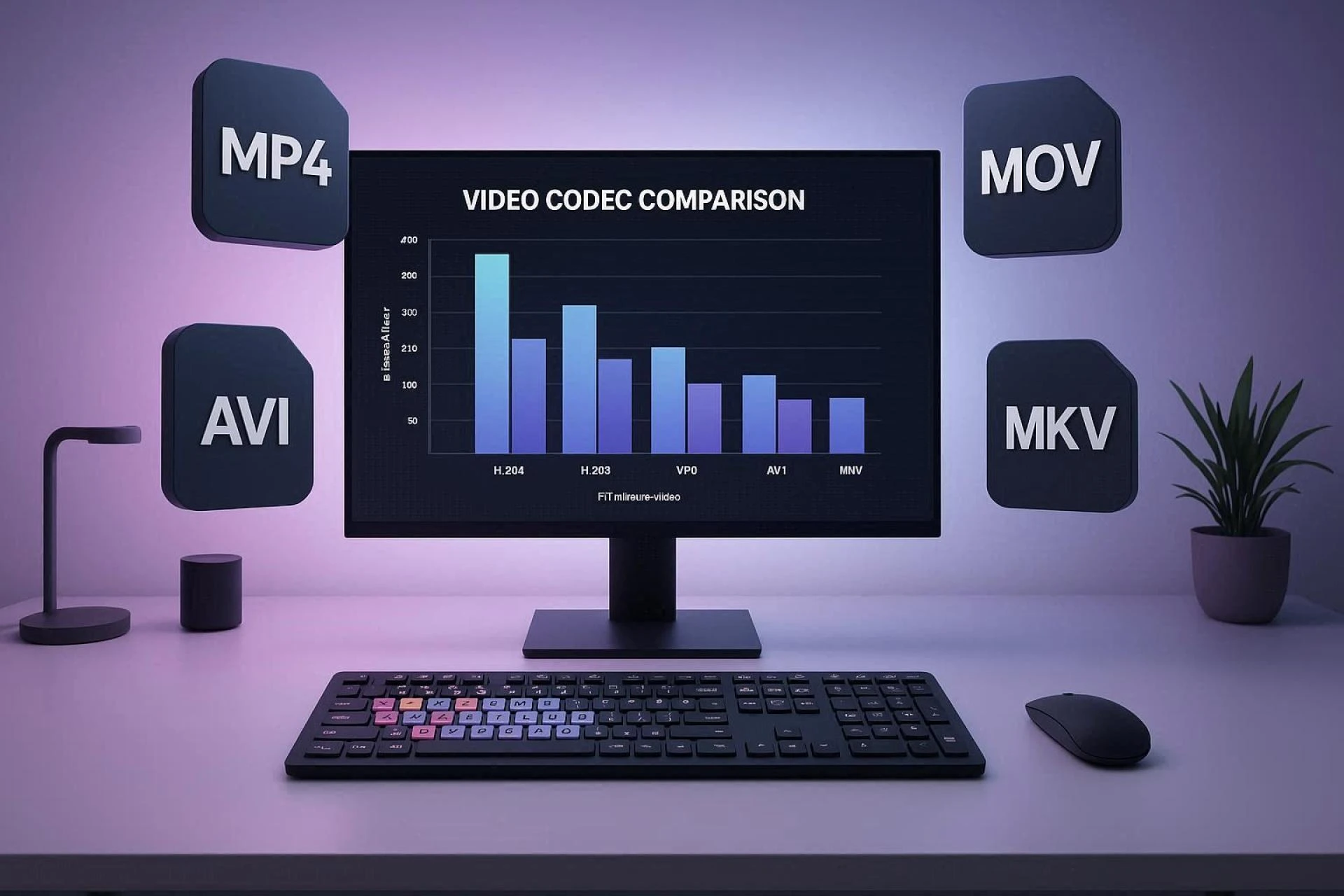

The Universal Language of Digital Content
Every day, billions of video files travel across the internet, entertaining, educating, and connecting people worldwide. Behind this seamless exchange lies a crucial decision that content creators often overlook: choosing the right video format for their audience.
Among the various formats available, MP4 videos have emerged as the gold standard for digital content distribution. This isn't by accident—it's the result of careful balance between quality, compatibility, and efficiency that meets modern streaming demands.
Understanding Video Format Evolution
Why Compatibility Matters More Than Ever
Remember the frustration of downloading a video only to discover your device couldn't play it? Those compatibility nightmares shaped how we approach digital media today. The MPEG-4 format revolutionized content delivery by creating a universal standard that works across virtually every device, platform, and browser.
This universality becomes especially critical in diverse markets. Consider the Middle East's rapidly growing digital landscape, where streaming services in UAE must serve audiences using everything from the latest smartphones to older smart TVs. Format flexibility ensures no viewer gets left behind.
The Technical Advantage You Can't Ignore
What makes this format particularly powerful isn't just its compatibility—it's the intelligent compression that maintains visual quality while reducing file sizes. This means faster uploads for creators, reduced bandwidth costs for platforms, and smoother playback for viewers.
Think about mobile users streaming over cellular networks. Smaller file sizes translate directly to less data consumption and fewer buffering interruptions. In regions where data costs remain significant, this efficiency determines whether audiences engage with content or abandon it.
Optimizing Content for Modern Viewers
Quality Settings That Make Sense
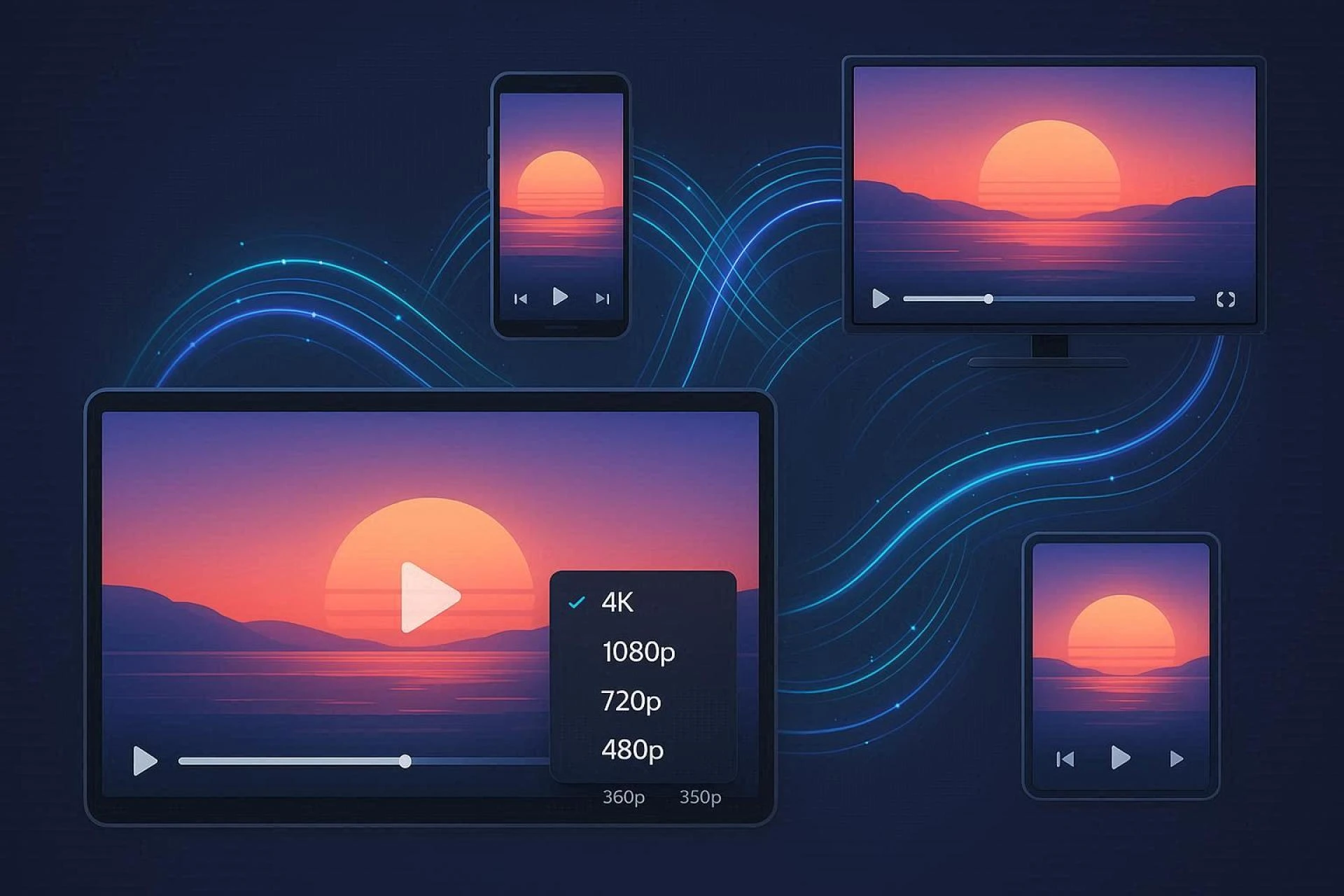
Professional content creators understand that one size doesn't fit all. The beauty of modern video encoding lies in creating multiple quality versions from a single source. Your 4K master file can generate versions for:
- High-speed fiber connections wanting premium quality
- Mobile users balancing quality with data limits
- International viewers with varying bandwidth availability
- Archive purposes requiring maximum preservation
This adaptive approach ensures optimal viewing experiences regardless of circumstances.
Metadata and Discoverability
Beyond visual quality, proper video formatting includes embedded information that helps content get discovered. Titles, descriptions, thumbnails, and chapter markers all live within the file structure, traveling with your content wherever it goes.
Search engines and platforms extract this metadata to understand and categorize content. Without it, even exceptional videos can disappear into digital obscurity.
Future-Proofing Your Video Strategy
Emerging Standards and Considerations
While current standards dominate today's landscape, smart creators prepare for tomorrow's innovations. New codecs promise even better compression without quality loss. Interactive features and 360-degree capabilities expand creative possibilities.
The key isn't chasing every new development—it's building flexible workflows that can adapt as standards evolve. This means choosing platforms and tools that support multiple formats and can transcode content as needed.
Making Strategic Format Decisions
Your video format choice impacts everything from production costs to audience reach. Consider your specific needs: Are you prioritizing quality or accessibility? Serving local or global audiences? Streaming live or on-demand?
These answers guide technical decisions that ultimately determine your content's success. The right format isn't just a technical detail—it's a strategic advantage.
































Sign in to leave a comment.