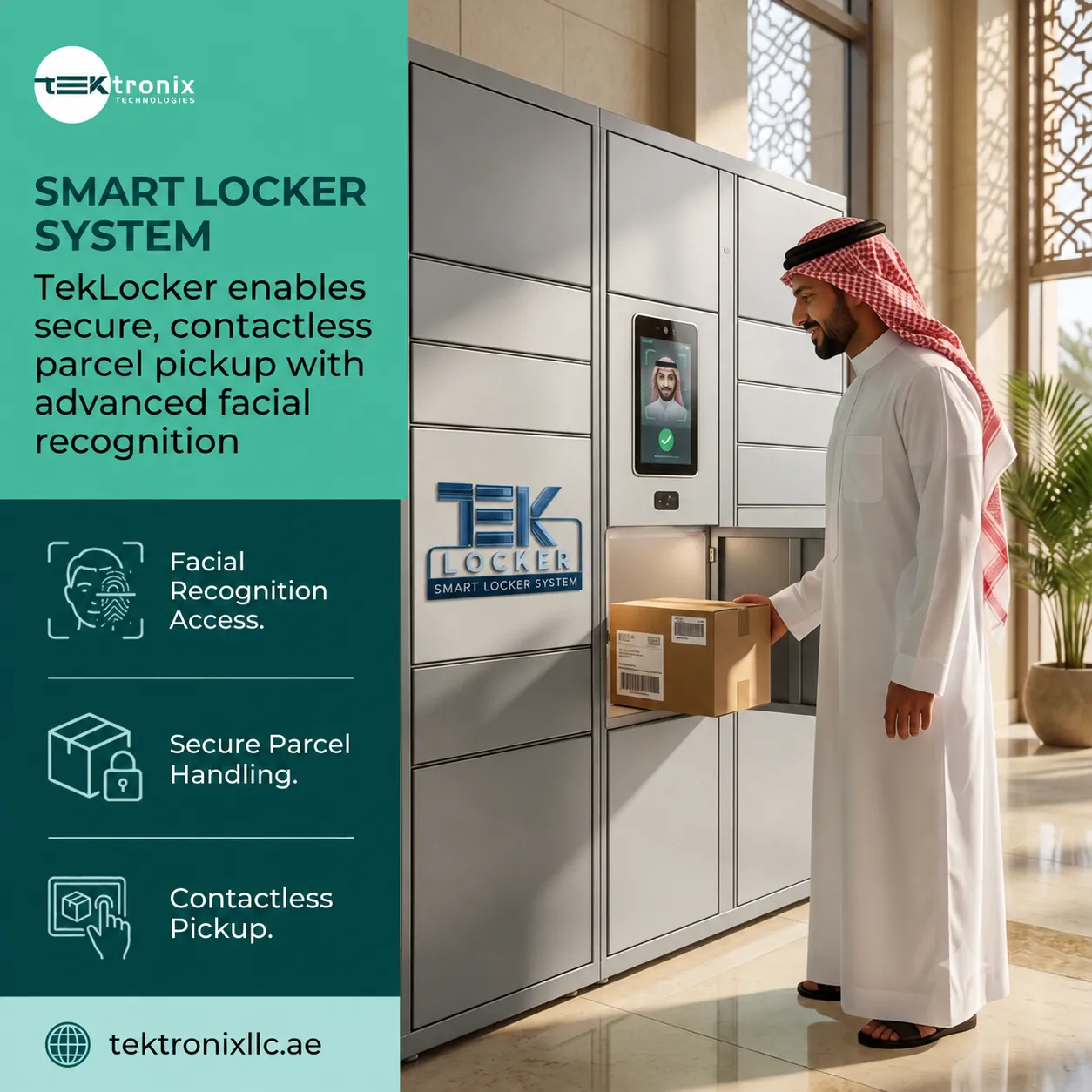

A hospital changing room, a clinic staff area, and a patient belongings store all share a problem that most healthcare facilities have never quite solved properly: secure, hygienic, accountable storage for items that need to stay separated, tracked, and occasionally accessed by more than one authorized person. A Smart Locker System gives UAE healthcare facilities a way to finally address this gap, replacing shared keys and open shelving with individually tracked, access-controlled storage suited to the specific accountability and hygiene standards clinical environments demand.
This need has grown more pressing as UAE healthcare facilities modernize nearly every other part of patient and staff experience — digital records, contactless check-in, app-based staff scheduling — while storage for staff belongings, patient items, and clinical equipment often remains one of the least modernized corners of an otherwise technologically advanced facility.
Why Healthcare Storage Carries Different Stakes Than a Typical Commercial Deployment
Storage failures in most commercial settings create inconvenience or, at worst, a financial loss. In a healthcare facility, the same category of failure can carry genuinely different consequences — a patient's belongings going missing during a hospital stay becomes a formal complaint and a trust issue at an already vulnerable moment, while unclear accountability for shared clinical equipment can create workflow delays that affect actual patient care.
This elevated stake environment is precisely why healthcare facilities benefit from purpose-built locker infrastructure rather than a generic commercial deployment adapted after the fact. The accountability, hygiene, and access-control requirements a clinical setting demands go beyond what a typical office or gym locker system was ever designed to address.
Smart Locker for Hospitals & Clinics: Solving Three Distinct Storage Problems at Once
A Smart Locker for Hospitals & Clinics typically needs to serve at least three genuinely different use cases under one platform — staff personal belongings storage during a shift, secure patient item storage during an inpatient stay or procedure, and controlled equipment or supply storage requiring restricted, trackable access rather than open shelving anyone can reach.
Each of these use cases carries its own access logic. Staff lockers typically reset daily or per shift, patient item lockers need to remain assigned for the duration of a stay with clear handover procedures at discharge, and equipment lockers often require role-based restriction so only certified staff can access specific controlled items — all managed through the same underlying platform but configured very differently by zone.
Digital Lockers Dubai Healthcare Facilities Are Deploying Beyond the Changing Room
Across the city's hospitals and clinics, Digital Lockers Dubai healthcare facilities are installing increasingly extend well beyond the traditional staff changing room application, appearing in outpatient areas for patient belongings during same-day procedures, in emergency departments for securing personal items during treatment, and in staff areas requiring stricter accountability than a typical break room locker bank.
This broader deployment pattern reflects healthcare facilities recognizing that the same underlying technology solving a staff changing-room problem can be reconfigured to address several other storage accountability gaps throughout the building, extracting more value from a single platform investment.
Electronic Locker System Hardware Meeting Clinical Hygiene Standards
At the hardware level, an Electronic Locker System deployed in a healthcare setting needs to withstand considerably more frequent cleaning and disinfection than a typical commercial installation, since infection control protocols in clinical environments demand surfaces and mechanisms that hold up to regular chemical cleaning without degrading.
This durability requirement shapes hardware selection meaningfully — healthcare-grade locker deployments typically specify materials and finishes rated for frequent disinfection, along with touchless or minimal-contact interaction options that reduce shared-surface contact in exactly the kind of environment where infection control matters most.
Face Recognition Locker Access for Touchless Clinical Environments
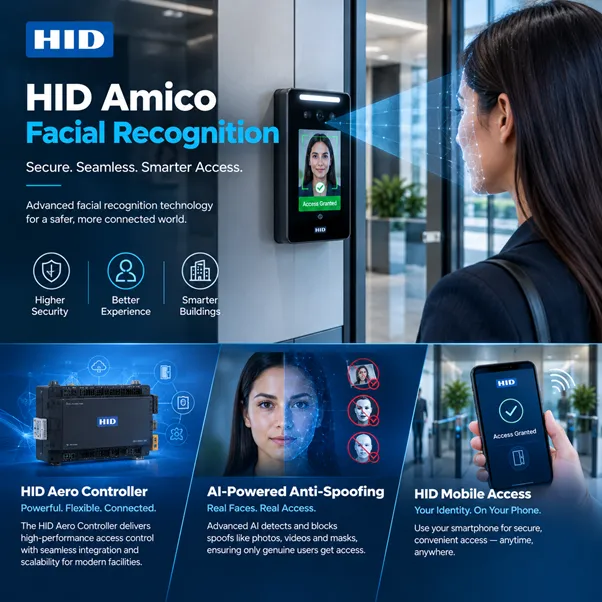
For healthcare facilities prioritizing infection control above nearly everything else, Face Recognition Locker Access removes physical contact from the locker interaction entirely — no card, code, or handle to touch, just a glance at the reader. This aligns naturally with the broader touchless philosophy many UAE healthcare facilities have already adopted for other patient and staff touchpoints.
For staff moving quickly between clinical tasks, facial recognition also solves a practical problem beyond hygiene — nobody needs to carry a separate locker key or remember a code while already managing patient care responsibilities, badges, and clinical equipment throughout a demanding shift.
Locker Management Software: Supporting Healthcare-Specific Accountability
Underlying the physical hardware, Locker Management Software gives healthcare facility managers the kind of detailed access logging that clinical environments increasingly need to demonstrate — who accessed a specific storage unit, when, and for what purpose, creating an audit trail relevant to both general facility security and healthcare-specific compliance and incident investigation.
This same platform can support patient item handover documentation specifically, generating a clear record of when a patient's belongings were secured, by whom, and when they were returned — a level of accountability that protects both the facility and the patient during what is often already a stressful hospital stay.
Key Benefits of Purpose-Built Smart Lockers for UAE Healthcare Facilities
Hospitals and clinics adopting locker systems designed specifically for clinical environments typically report improvements across several practical areas:
- Reduced disputes over missing patient belongings during a hospital stay
- Improved hygiene through fully contactless, touch-free locker access
- Clearer accountability for shared or controlled clinical equipment
- Faster, more secure staff storage during shift changes
- Detailed access logs supporting compliance and incident investigation
- A more modern facility impression supporting patient and staff confidence
Patient Belongings Storage: Where Accountability Matters Most
Few storage scenarios carry as much emotional weight as a patient's personal belongings during a hospital stay — items that often include meaningful personal possessions, valuables, or medical devices a patient needs returned intact and promptly at discharge. A generic storage bag or unlabelled shelf creates genuine risk of loss or mix-up, particularly in a busy ward managing multiple patients simultaneously.
A dedicated locker assigned specifically to that patient for the duration of their stay, with clear digital records of when items were secured and returned, addresses this risk directly — giving both the patient and the facility a documented, accountable process rather than relying on informal tracking that can break down during a busy or chaotic period.
Smart Locker System UAE: Supporting a Modernizing Healthcare Sector
Deploying a Smart Locker System UAE-wide reflects the broader modernization trajectory of the country's healthcare sector, where facilities across both public and private systems continue investing in patient experience and staff workflow technology as a matter of ongoing operational priority rather than an occasional capital project.
For healthcare groups operating multiple UAE facilities, standardizing locker infrastructure across every site also supports consistent compliance documentation and staff training, giving facility leadership a comparable view of storage accountability across the entire network rather than fragmented, site-specific practices.
Smart Locker System Dubai: Meeting the Standards of a Leading Regional Healthcare Hub
Dubai's position as a growing regional destination for medical tourism and premium healthcare has raised the baseline expectation for what a modern hospital or clinic experience should include. A Smart Locker System Dubai facility deploy increasingly reflects this rising standard, extending the same technology-forward patient experience already visible in check-in and clinical scheduling through to the storage and belongings-handling side of a visit.
For private hospitals and clinics competing for premium local and international patients in Dubai specifically, small operational details like secure, dignified belongings handling contribute meaningfully to overall patient satisfaction scores, alongside the clinical quality that remains the primary driver of reputation.
Typical Deployment Process for Healthcare Facility Smart Lockers
Introducing smart lockers into an existing hospital or clinic generally follows a structured process designed around the facility's specific clinical zones and workflows.
1. Zone assessment: identifying staff, patient, and equipment storage needs across different departments.
2. Hardware selection: choosing healthcare-grade materials and finishes suited to infection control requirements.
3. Access policy design: configuring role-based rules for staff, patient, and controlled equipment lockers separately.
4. Staff training: onboarding clinical and administrative teams on the new storage and handover process.
5. Phased rollout: introducing lockers department by department to avoid disrupting ongoing patient care.
Most single-facility deployments can be completed within a couple of weeks, with access policy design across different zones typically requiring more planning attention than the physical hardware installation itself.
Integrating Healthcare Lockers with Broader Facility Access Control
Smart lockers deliver their greatest value in a healthcare facility when connected to the broader access control and staff credentialing systems already in place. Linking locker access to staff identity verification already used for restricted clinical zones extends the same accountability standard to storage, while integration with patient information systems, where privacy-compliant, can tie patient item lockers directly to admission and discharge records.
This is where Tektronix's smart locker platform stands out for UAE healthcare facilities — the system is designed to integrate with existing access control and facility security infrastructure, so locker storage becomes a genuine part of the hospital's overall accountability framework rather than a disconnected side system.
What Healthcare Facilities Should Look for in a Locker Partner
Facility managers evaluating vendors should look for hardware genuinely rated for frequent clinical disinfection, since a locker system built for general commercial use may not hold up to healthcare-grade cleaning protocols over time. Support for role-based, zone-specific access configuration is also essential, given how differently staff, patient, and equipment lockers each need to function.
Because storage accountability directly affects patient trust and clinical workflow, response time for on-site support should factor meaningfully into vendor evaluation — a malfunctioning locker in a patient-facing area creates a visible service failure at a moment when patients are often already anxious about their care.
Why UAE Healthcare Facilities Trust Tektronix for Smart Locker Deployments
Tektronix has deployed smart access and locker technology across hospitals and healthcare facilities throughout the UAE, giving the team direct, hands-on experience with the hygiene, accountability, and clinical workflow demands unique to healthcare environments. Every installation is supported end-to-end, from initial zone assessment and hardware selection through installation, staff training, and ongoing local maintenance.
For healthcare facilities across Dubai and the wider Emirates evaluating a secure locker solution for hospital and clinic environments, this experience translates into a deployment genuinely built around clinical accountability standards, not a commercial locker system adapted superficially for a healthcare setting.
Conclusion
Smart Locker System technology brings genuine accountability to UAE healthcare storage. A Smart Locker for Hospitals & Clinics solves staff, patient, and equipment storage together, while Digital Lockers Dubai facilities deploy pair Electronic Locker System hardware with Face Recognition Locker Access for touchless clinical use. Backed by Locker Management Software, Smart Locker System UAE and Smart Locker System Dubai healthcare adoption keeps growing.
FAQs
1. How is a healthcare smart locker different from a general commercial locker?
Healthcare deployments need hardware rated for frequent clinical disinfection, along with role-based access configuration for genuinely different use cases like staff belongings, patient items, and controlled equipment.
2. Can one locker platform manage staff, patient, and equipment storage separately?
Yes. Access rules and reset schedules can be configured differently by zone, so staff lockers reset per shift while patient item lockers remain assigned for the duration of a stay.
3. How does face recognition locker access support infection control?
It removes physical contact from the locker interaction entirely, aligning with the touchless approach many healthcare facilities already apply to other patient and staff touchpoints.
4. How do smart lockers help protect patient belongings during a hospital stay?
A dedicated, tracked locker assigned to a specific patient creates a documented record of when items were secured and returned, reducing the risk of loss or mix-up compared to informal storage.
5. How long does it take to deploy smart lockers across a hospital or clinic?
Most single-facility deployments can be completed within a couple of weeks, with access policy design across different clinical zones typically requiring more planning than the physical installation.




























Sign in to leave a comment.