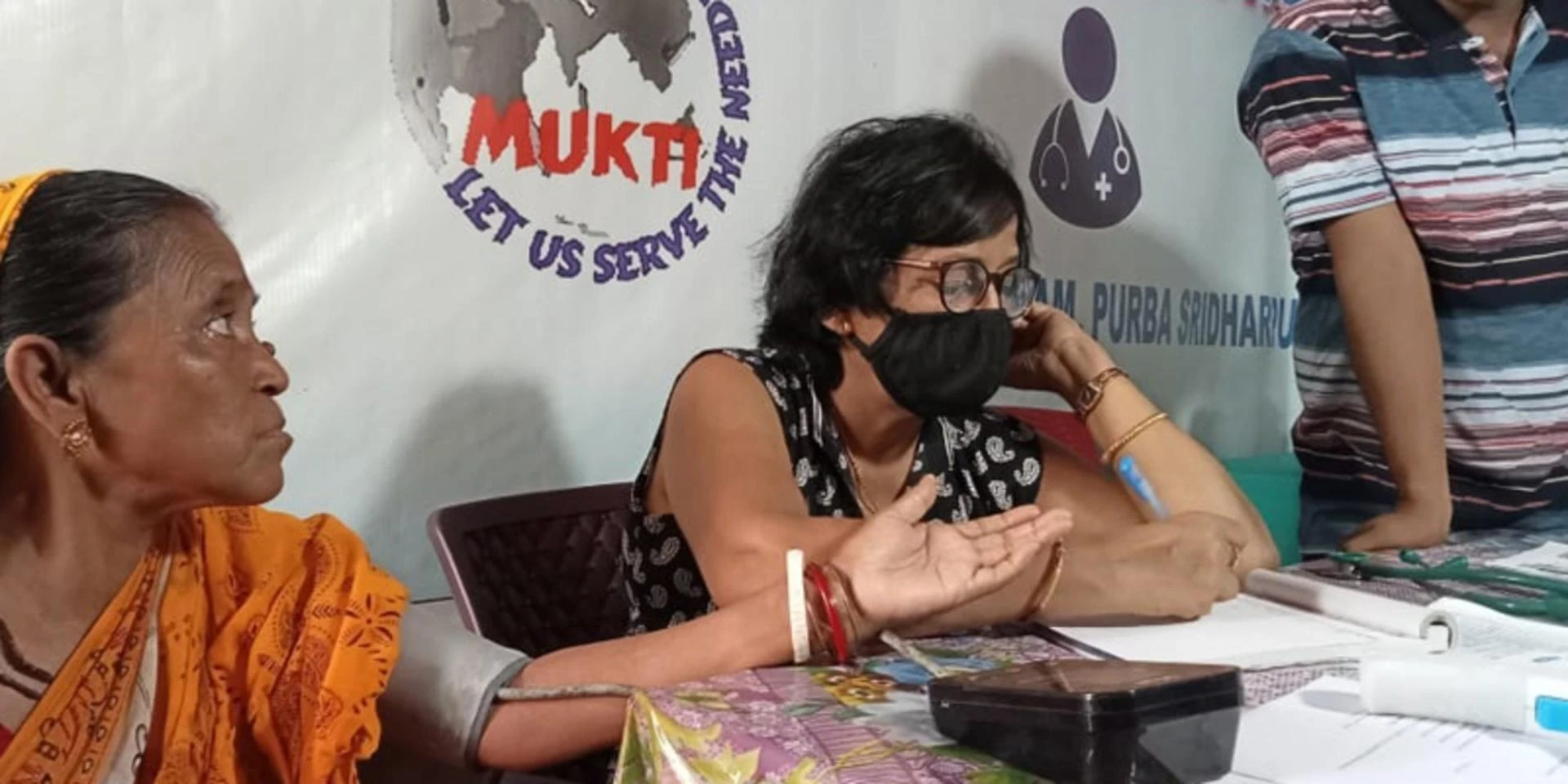

In a country as diverse and vast as India, development is often uneven. While cities race ahead in innovation and infrastructure, millions in rural and remote areas still lack access to basic necessities such as education, healthcare, and clean water. In these underdeveloped pockets, the word “liberation” takes on a deeper meaning—a desire to break free from poverty, inequality, and ignorance. This is where Mukti steps in.
What is Mukti?
Mukti is a grassroots non-governmental organization (NGO) based in the Sundarbans region of West Bengal, India. Established in 2003, Mukti has dedicated itself to the holistic development of marginalized communities. The name “Mukti” comes from the Sanskrit word meaning "liberation" or "freedom," and the organization lives up to its name by liberating people from the social, economic, and educational barriers that trap them in cycles of poverty.
Mukti is more than just a charitable initiative. It is a movement that empowers people to become agents of their own change. The organization works across multiple sectors including education, health, sustainable livelihood, environment, women empowerment, and disaster management.
Education: Empowering Through Knowledge
One of Mukti’s most impactful efforts is in the field of education. In rural areas where schools are understaffed or nonexistent, Mukti has established community-based education centers called Mukti Support Schools (MSS). These centers provide free education to children who otherwise would have no access to quality learning.
For bright but economically disadvantaged students, Mukti also runs the Talented Student Sponsorship (TSS) program. Under TSS, students are paired with sponsors who support their academic journey through school, college, and even professional courses. Over the years, hundreds of students have broken out of poverty thanks to this program.
Women Empowerment: Giving Voice and Dignity
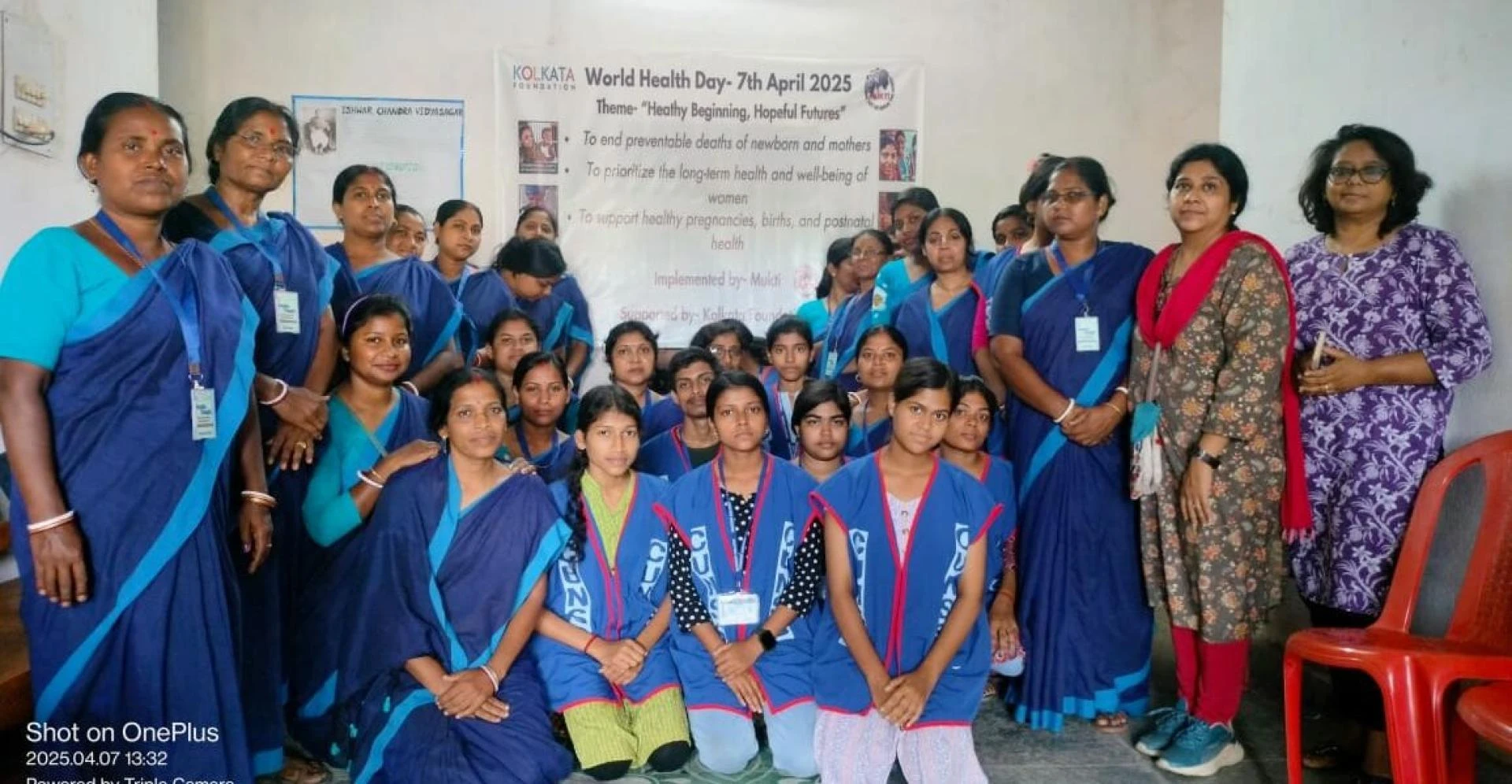
Another area where Mukti has made groundbreaking progress is women empowerment. The organization believes that a community can only progress if its women are educated, employed, and empowered. One of its flagship programs, Swasthya Songini, addresses menstrual health and hygiene in remote areas.
Through Swasthya Songini, Mukti trains women to produce low-cost sanitary napkins. These are then distributed in schools and villages, promoting both hygiene and awareness. Additionally, the women involved in production gain financial independence and leadership skills. In a society where menstruation is still a taboo, Mukti is creating safe, informed, and confident women.
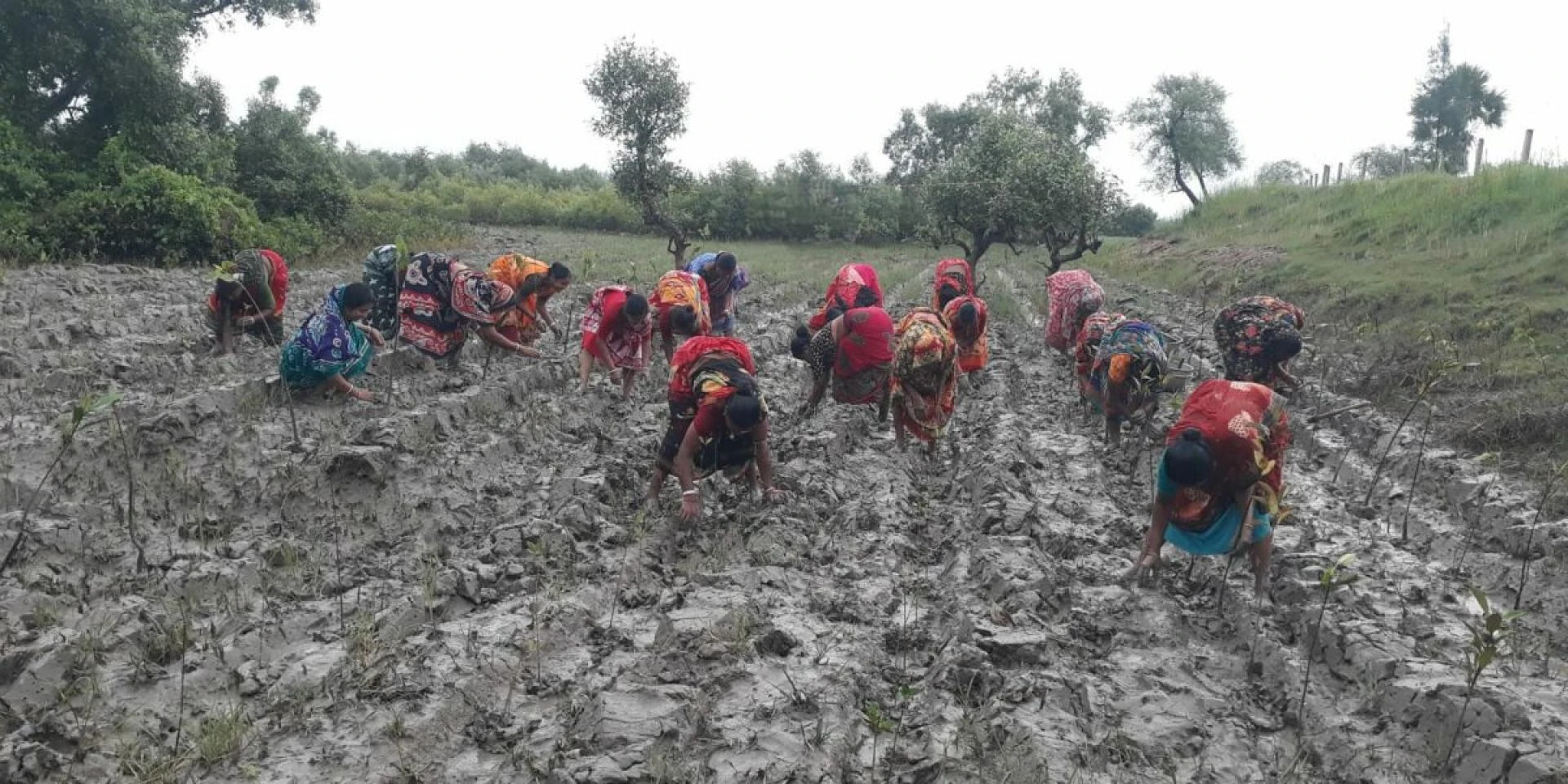
Sustainable Livelihood: From Struggle to Stability
Economic hardship























Sign in to leave a comment.