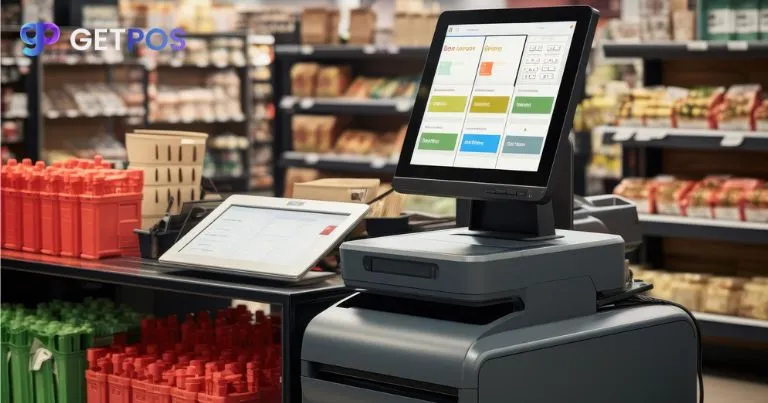

Introduction
Managing a retail chain comes with unique operational challenges. A multi-location POS system helps retailers maintain control over inventory, sales, employees, and customer data across multiple stores from a single platform. As businesses expand, having centralized visibility becomes essential for improving efficiency, maintaining consistency, and supporting long-term growth.
Many retail businesses struggle when they try to manage multiple stores using separate systems or disconnected processes. This often leads to inventory inaccuracies, reporting delays, stock shortages, and inconsistent customer service.
A multi-location POS system solves these challenges by bringing all retail operations into a single platform. Whether you operate five stores or fifty, the right point-of-sale solution provides centralized control while giving each location the flexibility it needs to operate efficiently.
This guide explores the key features, benefits, and practical use cases of multi-location POS systems for retail chains and explains why they have become an essential tool for modern retail management.
What Is a Multi-Location POS System and How Does It Work?
A multi-location POS system is a centralized point-of-sale platform designed to manage multiple retail stores from one dashboard.
Unlike traditional POS software that operates independently at each location, a multi-store retail POS system synchronizes data across all stores in real time. This includes:
- Sales transactions
- Inventory levels
- Customer information
- Employee data
- Promotions and pricing
- Business reports
Most modern systems are cloud-based, allowing owners and managers to access information from anywhere with an internet connection.
How Does It Work?
The system connects every store location to a central database. Whenever a sale occurs, inventory is updated automatically, and management can instantly view performance across the entire retail chain.
For example:
- Store A sells 10 products.
- Inventory updates immediately.
- Headquarters sees the transaction in real time.
- Reports reflect updated sales figures across all locations.
This creates a single source of truth for retail operations.
Key Features of a Multi-Location POS System
Centralized Inventory Management
One of the most valuable features of a multi-location retail POS system is centralized inventory management.
Retail chains can:
- Track stock across all stores
- Transfer inventory between locations
- Monitor low-stock items
- Reduce overstocking and stockouts
- Manage warehouse inventory alongside store inventory
For example, if a product is selling quickly at one location but moving slowly at another, managers can transfer inventory instead of ordering more stock unnecessarily.
Real-Time Sales Tracking
Business owners no longer need to wait for end-of-day reports.
A cloud-based POS software platform provides:
- Live sales monitoring
- Revenue tracking
- Product performance insights
- Location-specific reporting
This visibility helps managers make faster and more informed decisions.
Unified Customer Database
Customers often shop at multiple locations.
A centralized POS system creates a single customer profile that includes:
- Purchase history
- Loyalty points
- Contact information
- Shopping preferences
This allows retail chains to deliver consistent customer experiences regardless of store location.
Employee Management
Managing staff across multiple stores can become complicated.
Modern retail chain POS software helps businesses:
- Track employee hours
- Monitor performance
- Manage permissions
- Schedule staff efficiently
- Reduce time theft
Managers can easily compare employee productivity across locations.
Centralized Pricing and Promotions
Retail chains often run company-wide promotions.
A multi-location POS allows businesses to:
- Update prices across all stores instantly
- Launch chain-wide discounts
- Create location-specific offers
- Manage seasonal campaigns
This ensures pricing consistency and reduces manual work.
Advanced Retail Analytics
Data-driven decision-making is one of the biggest advantages of modern POS systems.
Retail analytics tools can provide insights into:
- Best-selling products
- Store performance
- Customer buying behavior
- Profit margins
- Inventory turnover rates
These reports help retailers identify opportunities and address operational inefficiencies.
Benefits of a Multi-Location POS System
Improved Operational Efficiency
A centralized system eliminates duplicate work and manual processes.
Instead of logging into separate systems for each location, managers can oversee operations from a single dashboard.
Benefits include:
- Faster reporting
- Reduced administrative work
- Better coordination between stores
- Improved workflow automation
Better Inventory Control
Inventory errors can significantly impact profitability.
With centralized inventory management, retailers gain:
- Greater stock accuracy
- Reduced shrinkage
- Improved replenishment planning
- Better demand forecasting
As a result, businesses can maintain optimal inventory levels while reducing carrying costs.
Consistent Customer Experience
Customers expect the same level of service whether they shop online or visit different store locations.
A unified POS system enables:
- Shared loyalty programs
- Consistent pricing
- Customer recognition across stores
- Seamless returns and exchanges
This consistency strengthens customer trust and brand loyalty.
Enhanced Decision-Making
Access to real-time data allows leadership teams to make decisions based on facts rather than assumptions.
Examples include:
- Identifying underperforming locations
- Adjusting staffing levels
- Optimizing inventory distribution
- Launching targeted marketing campaigns
Scalability for Growth
As retail businesses expand, operational complexity increases.
A scalable multi-store POS system makes it easier to:
- Add new locations
- Standardize processes
- Maintain data accuracy
- Support long-term growth
This flexibility is particularly valuable for franchise businesses and rapidly growing retail brands.
Common Use Cases for Retail Chains
Fashion and Apparel Retailers
Fashion retailers often manage hundreds or thousands of SKUs across multiple stores.
A multi-location POS helps by:
- Tracking sizes and color variants
- Monitoring inventory by location
- Managing seasonal stock
- Facilitating store transfers
For example, a clothing chain can quickly identify which stores are running low on popular sizes and redistribute inventory accordingly.
Grocery and Convenience Store Chains
Inventory turnover is extremely high in grocery retail.
Retail chains use centralized POS systems to:
- Monitor fast-moving products
- Manage perishables
- Reduce waste
- Optimize replenishment schedules
Real-time visibility helps ensure shelves remain stocked with high-demand items.
Specialty Retail Stores
Businesses selling electronics, sporting goods, beauty products, or home décor often require detailed product tracking.
A multi-location POS enables:
- Product-level reporting
- Vendor management
- Customer purchase tracking
- Warranty and service management
This improves both operational efficiency and customer satisfaction.
Franchise Retail Networks
Franchise operators need centralized oversight while allowing individual locations some operational independence.
A retail chain management platform supports:
- Standardized pricing
- Brand consistency
- Central reporting
- Franchise performance monitoring
Head office gains visibility while franchisees maintain local control.
Omnichannel Retail Operations
Many retailers now sell through:
- Physical stores
- E-commerce websites
- Mobile applications
- Social commerce channels
A cloud-based POS software solution connects all sales channels into one system, ensuring inventory and customer data remain synchronized.
What Should Retail Chains Look for in a Multi-Location POS System?
Choosing the right solution requires careful evaluation.
Consider the following factors:
1. Cloud-Based Architecture
Cloud systems offer:
- Remote access
- Automatic updates
- Better scalability
- Lower infrastructure costs
2. Inventory Management Capabilities
Look for features such as:
- Stock transfers
- Inventory forecasting
- Multi-warehouse support
- Automated reordering
3. Reporting and Analytics
Strong retail analytics capabilities should include:
- Sales reports
- Profitability analysis
- Inventory performance
- Customer insights
4. Integration Options
The POS system should integrate with:
- Accounting software
- E-commerce platforms
- CRM systems
- Marketing tools
5. Security and Compliance
Retailers should prioritize systems that offer:
- Secure payment processing
- Data encryption
- User access controls
- Compliance with industry standards
Conclusion
A multi-location POS system is far more than a transaction tool. It serves as the operational backbone of a retail chain, connecting inventory, sales, customer data, employees, and reporting into one centralized platform.
For growing retailers, the ability to manage multiple stores efficiently can make a significant difference in profitability, customer satisfaction, and long-term scalability. Features such as centralized inventory management, real-time retail analytics, cloud-based access, and unified customer data provide the visibility and control needed to operate a successful retail network.
Whether you manage a regional chain, a franchise network, or a rapidly expanding retail brand, investing in the right multi-location POS software can help simplify operations, improve decision-making, and create a more consistent experience across every store location.
Frequently Asked Questions (FAQ)
What is the main advantage of a multi-location POS system?
The biggest advantage is centralized management. Retailers can monitor inventory, sales, employees, and customer data across all locations from a single platform.
How does centralized inventory management improve retail operations?
Centralized inventory management provides real-time visibility into stock levels across all stores, helping businesses reduce stockouts, minimize excess inventory, and improve replenishment planning.
Can a multi-location POS system support franchise businesses?
Yes. Many retail chain management systems are designed specifically for franchise networks, providing centralized oversight while allowing individual stores to manage day-to-day operations.
Is cloud-based POS software better for retail chains?
For most retail chains, cloud-based POS software offers greater flexibility, easier scalability, remote access, automatic updates, and lower maintenance costs compared to traditional on-premise systems.
How does a multi-store POS system help customer experience?
It creates a unified customer database, allowing shoppers to earn loyalty rewards, access purchase history, and receive consistent service across all store locations.
What industries benefit most from multi-location POS systems?
Industries that commonly benefit include apparel retail, grocery stores, electronics retailers, beauty brands, specialty retail chains, convenience stores, and franchise businesses.

























Sign in to leave a comment.