
Introduction
We are a leading control valve manufacturer in China, delivering high-quality valves and precision control actuators designed to meet a wide range of industrial applications.
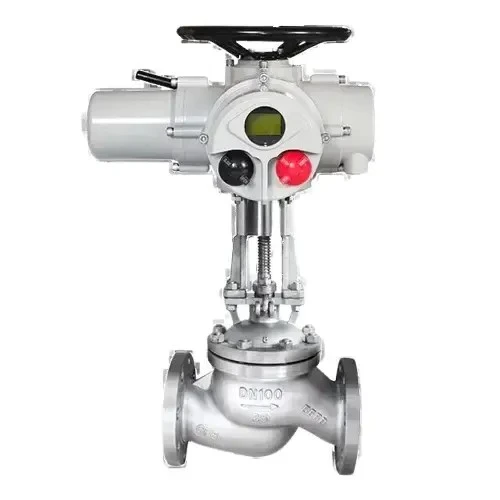
Multi-turn motorized valves play a crucial role in modern automated flow control systems, enabling precise regulation of various media. These valves are designed to manage fluid flow with exceptional accuracy, offering full control over a wide range of conditions. Unlike quarter-turn valves, which require a 90-degree rotation, multi-turn valves need several full rotations of the valve stem to transition between open and closed positions. This allows for a gradual and more precise flow adjustment.
Such fine control is especially critical in industries where small changes in flow can significantly impact operations. Multi-turn motorized globe valves are commonly used in sectors like water treatment, chemical processing, pharmaceutical production, and other industries that demand precise fluid regulation. Equipped with electric or pneumatic actuators, these valves allow operators to make incremental adjustments that would be impossible with simpler valve designs.
How Multi-Turn Motorized Globe Valves Work
The operation of multi-turn motorized globe valves is simple yet effective for precision control. These valves typically consist of a valve body, an actuator, a valve stem, and a plug or disc. The actuator drives the valve stem, which moves the plug in and out of contact with the valve seat, thereby controlling the flow.
The globe-shaped valve body directs the fluid, and as the stem rotates, the plug gradually opens or closes the valve, making it possible to adjust the flow rate incrementally. This gradual movement allows for more accurate control of the flow compared to quarter-turn valves. Multi-turn valves excel in processes where a steady, precise flow rate is essential, avoiding abrupt changes in pressure or flow.
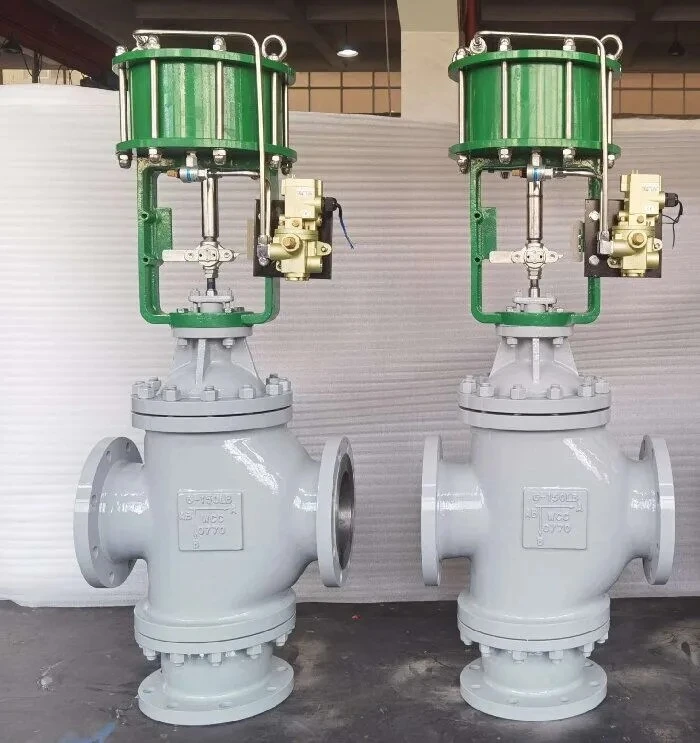
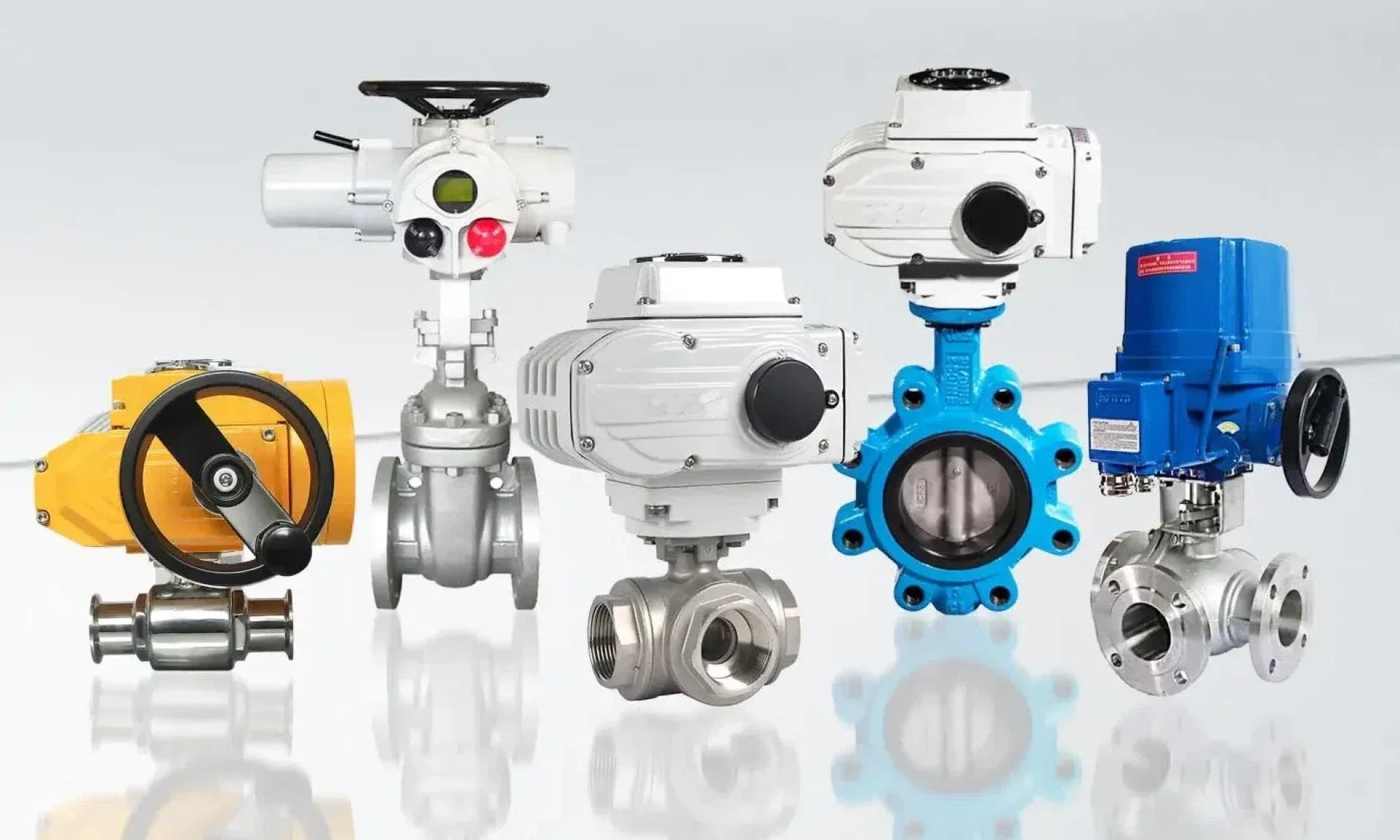
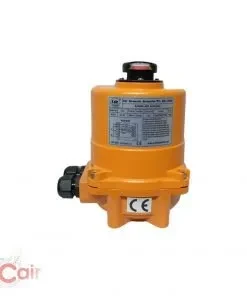
Another significant advantage of multi-turn motorized globe valves is the flexibility in actuator options. Electric actuators offer remote control and enhanced precision, while pneumatic actuators are used in environments where electricity is not ideal, such as hazardous or explosive settings.
Difference Between Quarter-Turn and Multi-Turn Actuators
Understanding the differences between quarter-turn and multi-turn actuators is essential for choosing the right valve for specific applications. Both types of actuators perform the same fundamental function of turning a valve, but their range of movement and the type of control they provide differ significantly.
Quarter-Turn Actuators
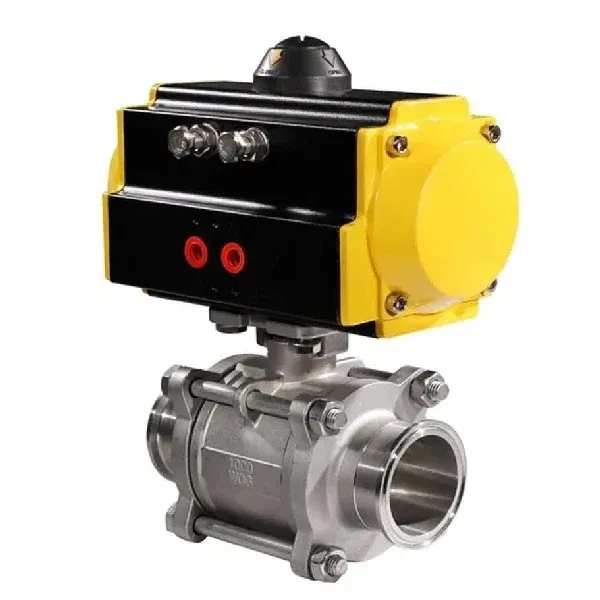
Quarter-turn actuators rotate the valve stem by 90 degrees, completing a quarter turn of the full circle. This motion is fast, efficient, and well-suited for applications requiring quick, decisive actions like fully opening or closing a valve. Common applications for quarter-turn actuators include ball valves and butterfly valves, where quick on-off or proportional control is required.
These actuators are compact, cost-effective, and easy to install and maintain. However, their limited 90-degree motion makes them unsuitable for applications requiring gradual flow adjustments.
Multi-Turn Actuators
In contrast, multi-turn actuators rotate the valve stem through several complete turns, providing finer control and gradual movement. They are used in globe valves, gate valves, and other valves that require precise control over the flow rate. Multi-turn actuators are ideal for applications that need incremental adjustments, such as temperature control, pressure regulation, and flow metering.
Although slower and more complex than quarter-turn actuators, multi-turn actuators offer much more precise control. For example, multi-turn valves can achieve flow increments as small as a few percentage points, whereas quarter-turn valves can only toggle between fully open and closed positions.
The key difference is a trade-off between speed and precision. For applications requiring detailed flow control and gradual changes, multi-turn actuators are the best choice. Quarter-turn actuators are better suited for faster, more binary operations.
Key Considerations for Selecting Multi-Turn Motorized Globe Valves
When selecting multi-turn motorized globe valves, it’s essential to consider various factors to ensure optimal performance in specific applications.
- Application Needs
- Understanding the specific needs of the application is critical. Multi-turn valves excel in industries like chemical processing, pharmaceutical manufacturing, and power generation, where precise media regulation is required. Factors like required flow range, pressure, temperature, and chemical compatibility of the media should be assessed.
- Valve Size and Capacity
- Proper valve sizing is crucial for efficient operation. A valve that is too large can cause unnecessary costs and overcapacity, while one that’s too small may not control the flow effectively. Valve size is typically determined by the diameter of the pipe and the system's flow rate, ensuring optimal performance and avoiding wasted energy.
- Actuator Type and Power Supply
- The choice of actuator greatly impacts the valve’s performance. Electric actuators provide precise control, while pneumatic actuators, powered by compressed air, offer faster response times. Pneumatic actuators are especially useful in remote or hazardous areas where electricity may not be available. Power supply considerations are also important to ensure continuous operation, especially in areas prone to power interruptions.
- Material Compatibility
- The valve’s material must be compatible with the media it controls. For example, in corrosive or high-temperature applications, materials such as stainless steel, carbon steel, or alloys like Hastelloy or Inconel are preferred. Material selection depends on factors like chemical composition, temperature, and pressure within the system.
- Control and Automation Features
- Advanced features like positioners, remote monitoring systems, and diagnostic tools ensure precise operation. Positioners provide feedback on valve stem position, and remote monitoring allows operators to check valve status from a central control room. Diagnostic tools help identify potential issues before they cause problems.
- Cost and Budget Considerations
- Cost is an important factor in selecting a valve. While multi-turn valves are typically more expensive than quarter-turn valves, their precision often justifies the extra cost, especially in applications where fine control is required. It’s important to consider both the initial investment and the potential long-term savings from improved efficiency and reduced downtime.
- Maintenance and Serviceability
- Multi-turn motorized globe valves are more complex than simpler valve types, so maintenance requirements should be considered in the total cost of ownership. Regular inspection and maintenance are necessary to ensure continued performance and longevity.
Conclusion
Multi-turn motorized globe valves are essential components in automated flow control systems, offering unmatched precision and reliability. These valves allow for fine adjustments of the flow rate, making them ideal for applications requiring exact fluid regulation, such as chemical processing, water treatment, and pharmaceutical production.
By understanding the differences between quarter-turn and multi-turn actuators and evaluating key factors like actuator type, valve size, material compatibility, and application requirements, operators can select the best valve for their needs. While multi-turn valves come with a higher initial cost, their ability to provide precise control can lead to significant long-term savings and operational benefits.
As industries demand more advanced and reliable flow control solutions, multi-turn motorized globe valves will remain a vital part of the automation landscape, delivering the accuracy and flexibility necessary for today's complex and fast-paced industrial environments.Know more about Google SEO Directory





Sign in to leave a comment.