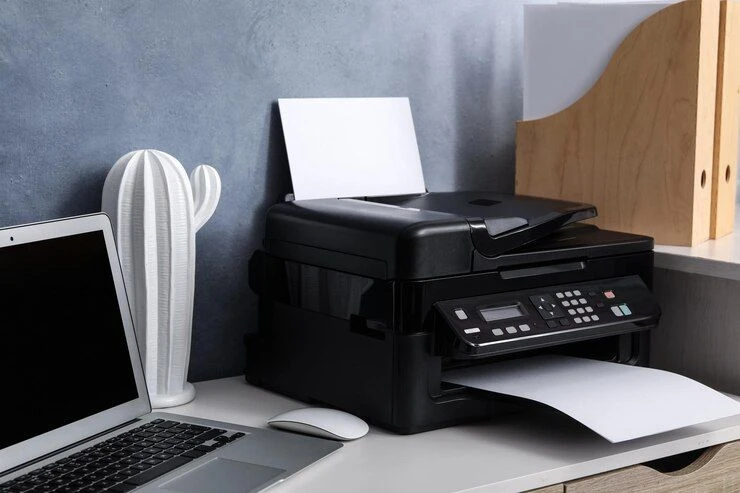

When it comes to managing office equipment costs, one of the biggest decisions for businesses of all sizes is whether to lease or buy a multifunction printer (MFP).
Multifunction printers, which combine printing, scanning, copying, and faxing capabilities into one device, are essential tools for many businesses. But with multiple options available, including Buying a multifunction printer and multifunction printer leasing, understanding which option is most cost-effective is crucial for making a sound financial decision.
This article will explore the pros and cons of leasing versus buying a multifunction printer, offering insights into the potential cost savings and long-term benefits of each option.
The Basics of Multifunction Printers
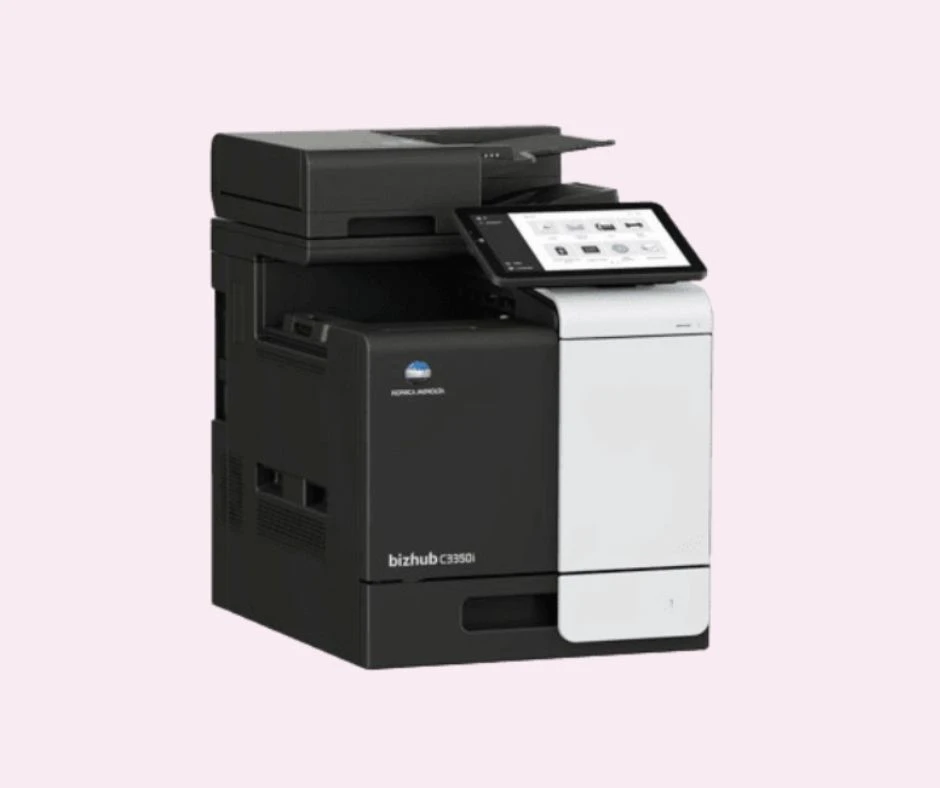
Multifunction printers (MFPs) have become a central piece of technology in offices worldwide. Unlike single-function printers, MFPs offer multiple functionalities, such as:
- Printing: Producing documents and images.
- Copying: Reproducing documents quickly.
- Scanning: Digitizing physical documents into digital formats.
- Faxing: Sending and receiving documents over the telephone line.
These capabilities make MFPs an efficient choice for businesses looking to streamline their office workflows and reduce the number of machines required for different tasks.
The primary decision businesses face when considering an MFP is whether to lease or buy. While both options have distinct advantages, the financial implications of each can significantly impact your bottom line.
Buying a Multifunction Printer: Pros and Cons
Buying a multifunction printer means paying for the device upfront and owning it for its entire lifespan. This may be an appealing option for businesses that have the capital available and prefer to keep equipment for the long term.
Pros of Buying a Multifunction Printer
- No Ongoing Payments: Once you've made the purchase, there are no additional monthly payments to worry about, which can be appealing if you want to avoid the ongoing financial commitment that leasing entails.
- Ownership: Owning your equipment means you're in full control. You're not tied to a leasing contract, and you can decide when it's time to upgrade or replace the printer.
- Tax Deductions: Depending on your location and tax laws, purchasing a multifunction printer may allow you to take advantage of tax deductions. These could be based on depreciation or immediate expensing, providing potential tax savings.
- Long-Term Savings: Over time, buying a printer may be cheaper than leasing if you plan to keep it for many years. After the initial investment, your ongoing costs may decrease significantly, especially if you avoid expensive service contracts.
Cons of Buying a Multifunction Printer
- High Initial Cost: The most significant downside of buying is the upfront cost. Depending on the model, multifunction printers can be expensive, especially if you're looking for advanced features such as high-speed printing, large paper capacities, or color printing.
- Maintenance Costs: Owning a printer means you're responsible for repairs and maintenance. Over time, this can add up, especially if the printer experiences technical issues or requires regular servicing.
- Depreciation: Like all technology, printers depreciate over time. This means that as soon as you purchase a multifunction printer, it begins losing value, which may affect the resale value down the road if you decide to upgrade.
- Upfront Commitment: Buying a printer requires a significant commitment. If your business needs change, or if technology improves rapidly, you might find yourself stuck with outdated equipment that is no longer serving your needs.
Leasing a Multifunction Printer: Pros and Cons
Multifunction printer rental or leasing involves paying a fixed monthly fee to use the printer for a specific period (typically 2-5 years). At the end of the lease, businesses can either return the printer, upgrade to a newer model, or buy the equipment outright.
Pros of Leasing a Multifunction Printer
- Lower Initial Cost: One of the main advantages of leasing is the lower upfront cost. Businesses only need to pay a fixed monthly fee, which can make leasing more affordable, particularly for companies that do not have the capital to make a large investment upfront.
- Always Have the Latest Technology: Leasing gives you the flexibility to upgrade your printer when your lease ends, ensuring that your business always has access to the latest technology. This is particularly valuable if your business relies on high-performance or cutting-edge devices.
- Predictable Monthly Costs: Leasing a printer means you pay a fixed monthly fee, which can help businesses budget for office equipment costs. This predictability can make financial planning easier and prevent surprises in your operating expenses.
- Maintenance and Support Included: Many leasing agreements include maintenance and support, reducing the responsibility and potential costs for repairs and servicing. This can provide peace of mind, knowing that if something goes wrong with the printer, it will be taken care of at no extra cost.
- Flexible Contract Terms: Leasing companies often offer flexible contract terms. If your business's needs change, you can adjust the lease term or model without being locked into a long-term commitment.
Cons of Leasing a Multifunction Printer
- Higher Long-Term Costs: While leasing may appear affordable initially, over the long term, it can cost more than purchasing a printer outright. If you renew your lease multiple times, the total payments may exceed the cost of buying a printer and its maintenance.
- No Ownership: When you lease a multifunction printer, you don't own the equipment. This means you're continually paying for its use without accumulating any equity in the printer. Once the lease ends, you must either return the printer or enter into a new lease agreement.
- Limitations on Customization: Lease agreements may come with restrictions on how you can use the printer. For example, you may not be able to modify the printer or add certain features, depending on the terms of the lease.
- Potential for Hidden Fees: Some leases come with hidden fees or additional costs that may not be apparent at the outset. These might include fees for exceeding usage limits, late payment penalties, or charges for wear and tear.
Which Option Saves More Money?
The decision to lease or buy depends on several factors, including your budget, business needs, and long-term goals. Let's break it down based on key considerations.
1. Initial Costs
Leasing a multifunction printer requires a much smaller initial financial commitment than purchasing. For businesses with limited capital or cash flow, leasing may be the better option, as it allows for predictable monthly payments without draining financial reserves. This can be particularly beneficial for startups or smaller companies that may need to conserve cash for other areas of their business.
2. Total Cost Over Time
Over the long term, buying a multifunction printer is often cheaper than leasing if you plan to keep the equipment for several years. Once you've paid off the printer, you no longer have any ongoing costs other than for maintenance and supplies. On the other hand, leasing involves continuous payments, which, if renewed multiple times, can add up to more than the original purchase price.
However, the cost of maintenance and service contracts can increase over time, especially as the printer ages. In this case, leasing might help offset the repair costs, as many leases include regular maintenance.
3. Technology Upgrades
If having the latest technology is crucial for your business, leasing may be the better option. With a lease, you can upgrade your multifunction printer as new models with better features become available. This ensures that your business remains competitive and avoids being stuck with outdated equipment.
4. Maintenance and Repairs
Leasing typically includes maintenance and repair services, which can reduce costs and hassle for businesses. If you purchase a printer, you'll need to budget for potential repairs, service agreements, and parts replacements.
5. Depreciation and Tax Considerations
When you purchase a multifunction printer, it depreciates over time, which may affect its resale value. However, you may be able to deduct depreciation expenses for tax purposes. In contrast, leasing can allow for more predictable costs, with the possibility of some tax benefits depending on your jurisdiction.
Conclusion: Which Is the Right Choice for Your Business?
Ultimately, the decision between multifunction printer rental and buying will depend on your company's unique situation. If your business has the capital and plans to use the printer for many years, buying may be the more cost-effective option. However, if you need flexibility, access to the latest technology, or lower upfront costs, leasing a multifunction printer could provide the best value.
For businesses looking to explore the multifunction printers buying options or multifunction printer rental options, it’s essential to assess your financial situation, business needs, and long-term goals before making a decision. Consulting with a printer supplier or leasing company can help you determine which option is best suited for your office equipment needs.
In the end, making the right choice between leasing and buying can help your business optimize costs and productivity while ensuring you have the right tools to succeed.

























Sign in to leave a comment.