
Introduction
Education is the cornerstone of any thriving society. For Muslim communities, education is not just about acquiring worldly knowledge but also about nurturing faith, values, and identity. This is where the concept of a Muslim Trust for Education plays a vital role. These trusts are established to provide structured, sustainable, and faith-based educational opportunities that empower future generations. By combining academic excellence with Islamic principles, they ensure that students grow to become not only successful professionals but also responsible, compassionate Muslims contributing positively to society.
The Need for Muslim Trusts in Education
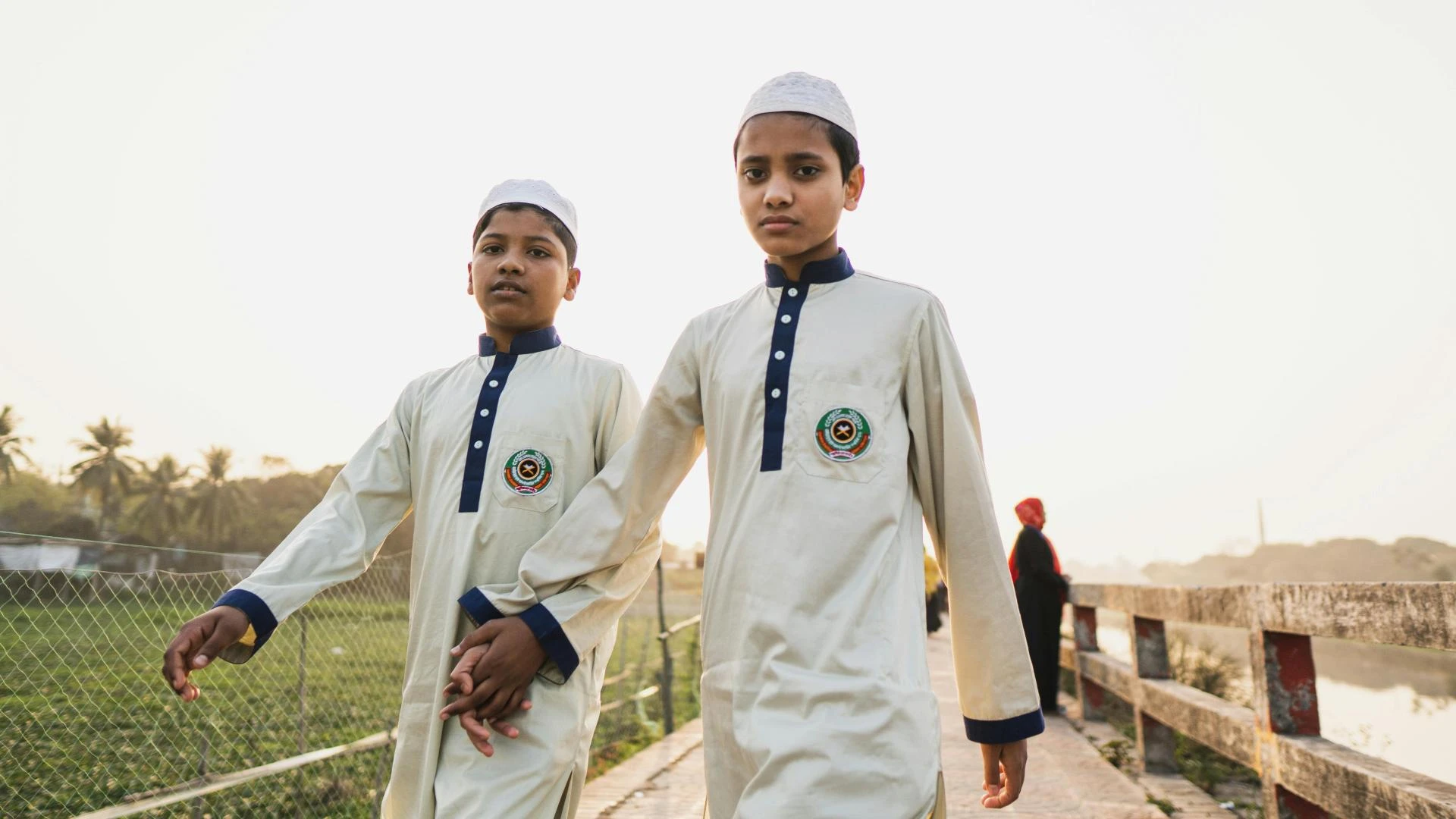
Muslim communities in the UK and around the world have long recognised the need to establish institutions that preserve faith while providing quality education. Mainstream schools, while excellent in many areas, may not always cater to the specific cultural and spiritual needs of Muslim families. For example, issues such as prayer facilities, halal meals, Islamic studies, and modest dress codes are often overlooked.
Muslim Trusts for Education bridge this gap by creating environments where children can thrive academically without compromising their faith. They also serve as a safeguard against assimilation pressures, ensuring that young Muslims grow up confident in their identity.
What is a Muslim Trust for Education?
A Muslim Trust for Education is a charitable or not-for-profit organisation that oversees schools, colleges, or educational initiatives with a strong Islamic ethos. These trusts typically operate under a clear mission: to provide education that is balanced, inclusive, and rooted in Islamic values.
Key features include:
- Faith-Based Governance: Managed by trustees who are committed to both academic standards and Islamic principles.
- School Oversight: Often running multiple schools, including primary, secondary, and sometimes higher education institutions.
- Community Support: Engaging parents, mosques, and local organisations to create a collaborative educational ecosystem.
- Charitable Initiatives: Offering scholarships, financial aid, and resources to ensure education is accessible for all.
Academic and Spiritual Integration
The unique strength of a Muslim Trust for Education lies in its integration of academic learning with spiritual growth. Students follow the UK National Curriculum or local academic requirements, while also being given structured time for:
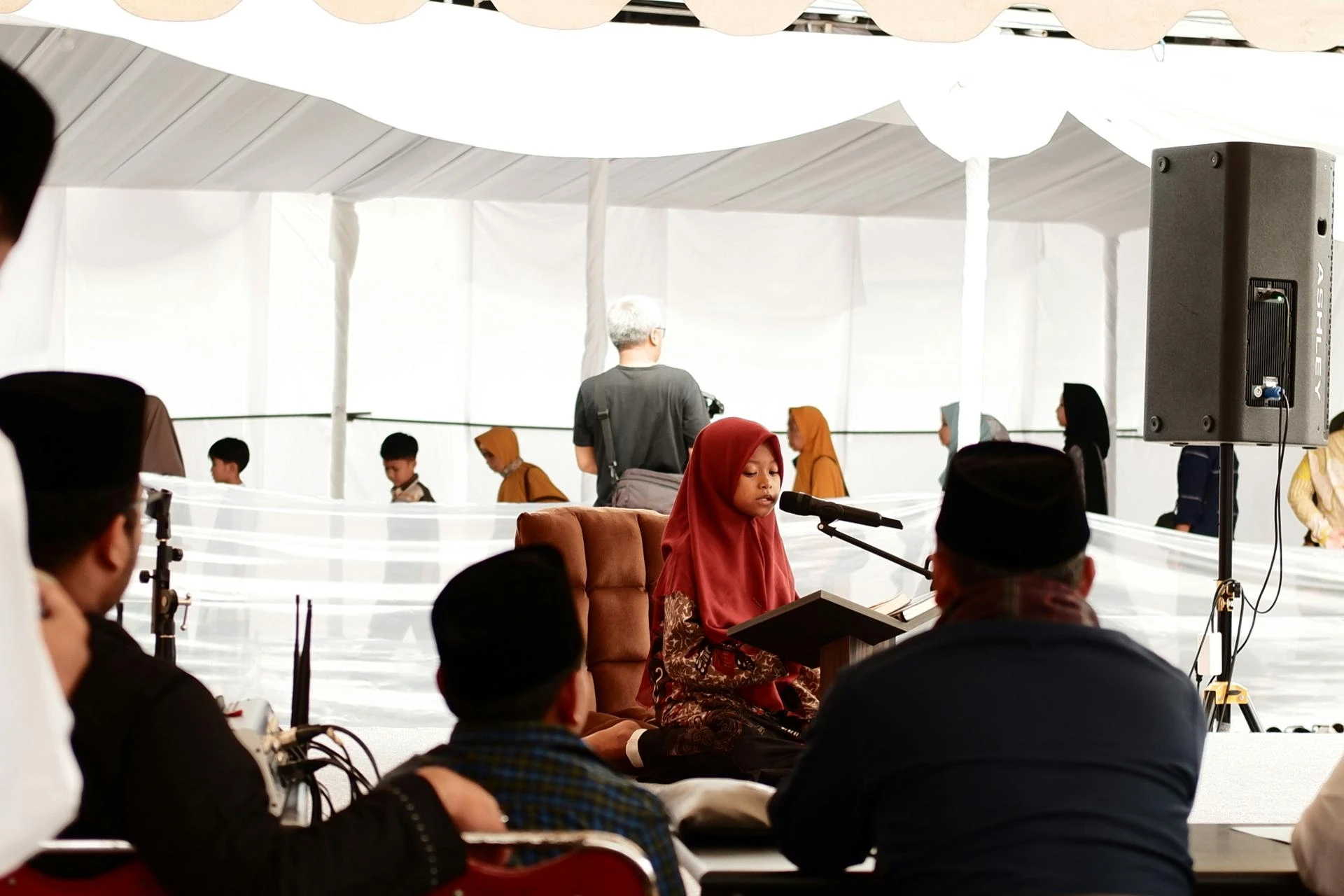
- Qur’an recitation and memorisation.
- Arabic language classes.
- Islamic studies, covering history, theology, and ethics.
- Daily prayers and assemblies with faith-based themes.
This balance allows students to excel in exams while developing a strong moral compass, preparing them for both worldly success and the Hereafter.
Examples of Muslim Trusts for Education
Several trusts across the UK have set benchmarks in this field. They not only manage schools but also contribute to teacher training, curriculum development, and community outreach. Their impact is particularly evident in cities with large Muslim populations such as Manchester, Birmingham, and London.
These trusts often establish grammar schools, preparatory schools, and girls’ or boys’ institutions, each tailored to provide a safe, nurturing, and academically strong environment. They have successfully placed thousands of students in top universities while maintaining Islamic values at the core of their journey.
Community Engagement and Support
Muslim trusts thrive on community involvement. Parents, alumni, and local mosques play a crucial role in shaping the ethos of the schools. Events such as open days, charity fundraisers, and interfaith initiatives build bridges within the wider community.
By operating transparently and engaging with stakeholders, these trusts foster a sense of ownership and responsibility. Families see the trust not just as an institution, but as an extension of their own community and values.
Challenges Faced by Muslim Trusts
Like any organisation, Muslim trusts encounter challenges. Some of the common ones include:
- Funding: Many trusts rely on charitable donations, which can fluctuate. Ensuring long-term sustainability is a constant concern.
- Regulation and Compliance: Balancing faith-based practices with government regulations requires careful navigation.
- Perceptions and Misunderstandings: Sometimes, Islamic schools are misunderstood by the wider public, leading to stereotypes or scrutiny.
Despite these hurdles, most trusts remain resilient, continuing to serve their communities with dedication.
The Global Perspective
While this blog focuses largely on the UK, the concept of Muslim Trusts for Education is global. In countries like Pakistan, India, South Africa, and the US, similar organisations exist. They vary in scale, but their mission remains the same: to combine academic rigour with Islamic identity.
This shared vision highlights the universal importance of education in Islam. As the Prophet Muhammad ﷺ said: “Seeking knowledge is an obligation upon every Muslim.” Muslim trusts embody this timeless principle.
Looking Ahead — The Future of Muslim Trusts
The role of Muslim Trusts in Education is set to grow as Muslim populations expand and communities demand more tailored education. Future developments may include:
- Greater use of digital platforms for Islamic learning.
- Expansion into vocational and higher education.
- Increased partnerships with mainstream educational institutions.
- Broader outreach through international collaborations.
By adapting to modern needs while holding firmly to faith, Muslim trusts will continue to be a beacon of guidance for generations to come.
Conclusion
A Muslim Trust for Education is more than just an organisation — it is a vision for the future. It ensures that young Muslims are equipped with both knowledge and values, allowing them to succeed in life without compromising their faith. In a world where identity and belonging are increasingly important, these trusts provide a safe, supportive, and empowering space.
By investing in education, Muslim communities invest in their future leaders, innovators, and changemakers. The legacy of a Muslim Trust for Education is not just measured in academic results but in the character, confidence, and contribution of the students it nurtures.

























Sign in to leave a comment.