
In the quest for a pest-free home, turning to natural pest control methods can be both a safe and effective strategy. This approach is particularly appealing to those seeking eco-friendly and non-toxic ways to keep their homes free from unwanted guests. In this blog, Carpet Cleaning Berwick will explore a variety of natural pest control methods that are not only gentle on the environment but also safe for your family and pets.
Understanding Natural Pest Control
Natural pest control involves using substances, methods, and techniques that do not rely on synthetic chemicals. These methods are designed to be less harmful to humans, pets, and the environment while effectively managing pest populations.
Preventive Measures: The First Line of Defense
Maintain Cleanliness: Regular cleaning is the cornerstone of preventing pests. Ensure that food crumbs are cleaned up, dishes are washed promptly, and garbage is disposed of regularly.
Seal Entry Points: Inspect your home for cracks, holes, and gaps, especially around doors, windows, and plumbing. Seal these entry points to prevent pests from entering.
Manage Moisture: Many pests are attracted to moisture. Fix leaky faucets, ensure proper drainage, and use dehumidifiers in damp areas of your home.
Natural Remedies for Common Pests
Essential Oils: Many essential oils, like peppermint, lavender, and eucalyptus, are natural pest repellents. Use them in a diffuser or dilute with water and spray in affected areas.
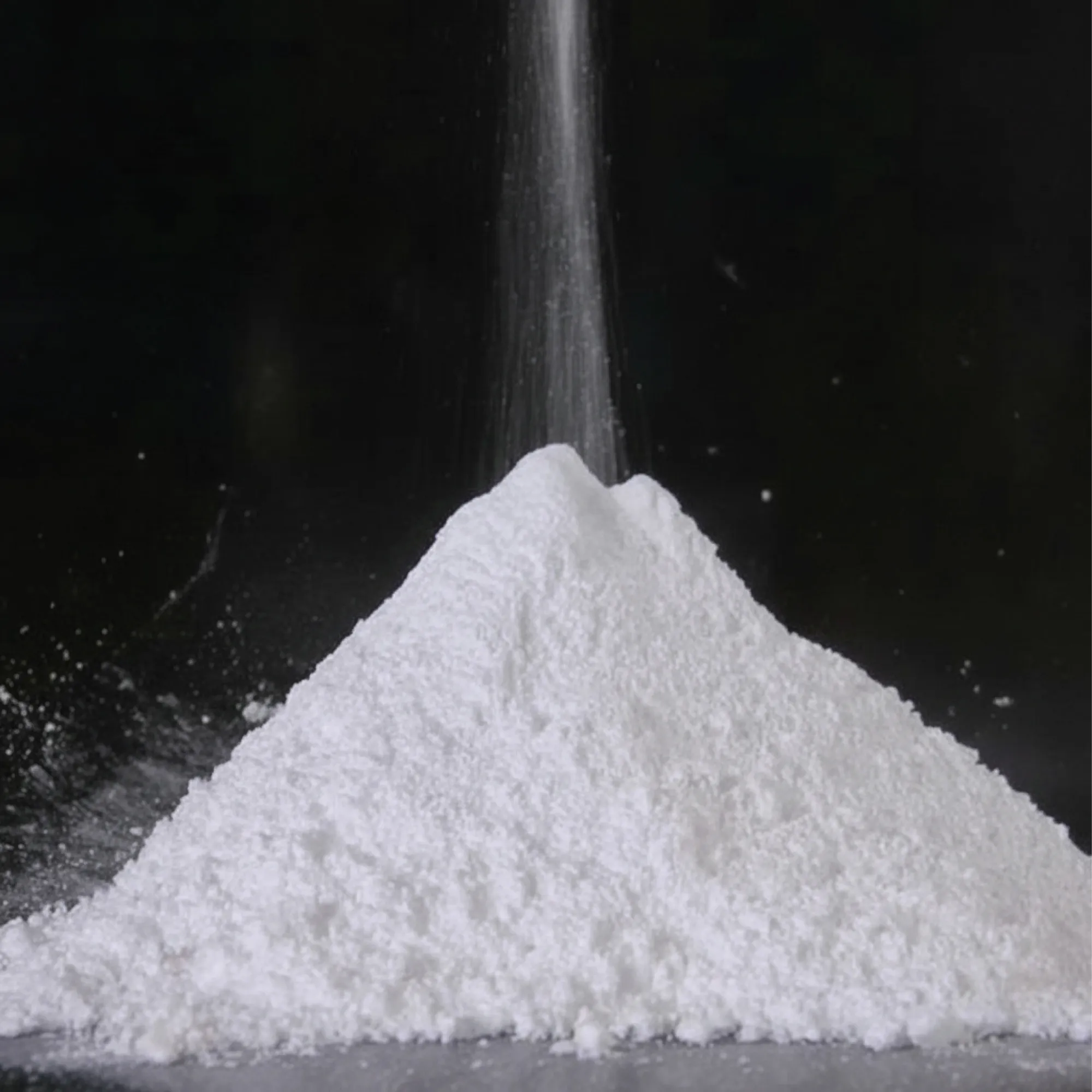
Diatomaceous Earth: This powder is effective against a variety of insects, including bed bugs, cockroaches, and fleas. Sprinkle it in areas where pests are a problem, but be mindful of its use around pets and children.
Vinegar: A solution of vinegar and water can deter ants and other pests. It’s also great for cleaning, which further helps in preventing pests.
Herbs and Plants: Certain plants like basil, mint, and rosemary can repel mosquitoes and other pests. Growing these in your garden or in pots by your windows can help keep pests at bay.
Natural Trapping Methods
Fly Traps: You can create natural fly traps using sugar, water, and apple cider vinegar in a jar with a funnel on top. Flies are attracted to the mixture and get trapped.
Light Traps: For moths and other flying insects, use light traps. These attract pests with light and then trap them without the use of chemicals.
Encouraging Natural Predators
Welcome natural predators into your garden. Birds, ladybugs, and praying mantises can help control pest populations. Bird feeders and bird baths can attract birds, while certain plants can attract beneficial insects.
Professional Natural Pest Control Services
If the situation is out of hand, consider hiring a professional pest control service that offers natural and organic options. They can provide more powerful solutions while still adhering to natural methods.
Conclusion
Natural pest control is a practical and eco-friendly approach to managing pests in your home. By combining preventive measures with natural remedies and encouraging the presence of natural predators, you can maintain a pest-free home without the need for harsh chemicals. Remember, the key to effective pest control is consistency and perseverance.
























Sign in to leave a comment.