
Polycystic ovary syndrome (PCOS) is a common hormonal disorder that affects women of reproductive age. It is characterized by irregular menstrual cycles, excessive androgens (male hormones), and multiple cysts on the ovaries. While there is no cure for PCOS, certain lifestyle changes and natural remedies can help manage its symptoms. In this article, we will discuss Best Diet Plan For Pcos, including supplements and herbs that may help.
Supplements and Herbs To Manage PCOS Symptoms
1. Inositol
Inositol is a type of sugar alcohol that is found naturally in fruits, beans, and grains. Studies have shown that inositol supplements can improve insulin resistance, regulate menstrual cycles, and reduce androgen levels in women with PCOS. Myo-inositol and D-chiro-inositol have been found to be effective in managing PCOS symptoms. Inositol supplements are generally safe and well-tolerated, with few side effects.
2. Chromium
Chromium is a trace mineral that is essential for insulin function. Research suggests that chromium supplements can improve insulin sensitivity and glucose metabolism in women with PCOS. Chromium picolinate is the most used form of chromium supplement. However, high doses of chromium can be toxic, so it is important to follow dosage instructions carefully.
3. Omega-3 fatty acids
Omega-3 fatty acids are a type of polyunsaturated fat that are found in oily fish, nuts, and seeds. They have anti-inflammatory properties and may help reduce insulin resistance and androgen levels in women with Pcos Diet Plan. Studies have shown that omega-3 supplements can improve menstrual regularity, reduce testosterone levels, and improve lipid profiles in women with PCOS.
4. N-acetyl cysteine (NAC)
NAC is an antioxidant that is commonly used to treat respiratory and liver disorders. Studies have shown that NAC supplements can improve insulin sensitivity and reduce androgen levels in women with PCOS. NAC may also help improve ovulation and menstrual regularity. However, high doses of NAC can cause side effects such as nausea, vomiting, and diarrhea.
5. Cinnamon
Cinnamon is a spice that has been used in traditional medicine for centuries. It has anti-inflammatory and insulin-sensitizing properties and may help regulate menstrual cycles and reduce insulin resistance in women with PCOS. Studies have shown that cinnamon supplements can reduce fasting blood glucose levels and improve insulin sensitivity in women with PCOS.
6. Vitex (Chaste Tree Berry)
Vitex is a herb that is commonly used to treat menstrual disorders and hormonal imbalances. It works by regulating the pituitary gland, which controls hormone production. Studies have shown that vitex supplements can improve menstrual regularity, reduce PMS symptoms, and increase progesterone levels in women with PCOS. However, vitex should not be used during pregnancy or while breastfeeding.
7. Saw Palmetto
Saw palmetto is a herb that is commonly used to treat urinary and prostate disorders in men. However, it may also be helpful in managing PCOS symptoms. Saw palmetto works by blocking the conversion of testosterone to dihydrotestosterone (DHT), a more potent form of testosterone. Studies have shown that saw palmetto supplements can reduce acne, hirsutism (excessive hair growth), and androgen levels in women with PCOS.
You can enquiry us for :-
Health Benefits Of OkraHomemade Detox WaterDiabetes Experts Consultant
Natural Remedies To Manage PCOS Symptoms
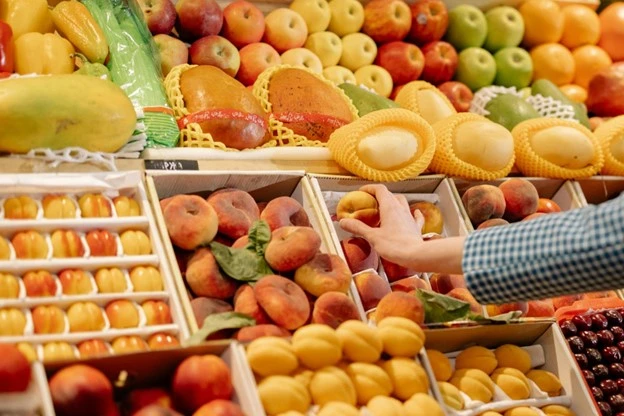
Try to opt for More Iron-Rich Foods: Women suffering from PCOS bleed heavily during their menstrual cycles. This can result in deficiency of iron and might lead to other health issues. So, The Best Diet Plan For Pcos must include foods such as broccoli, spinach, pomegranate, beetroot, eggs, etc. in their daily diet plan.Say “No” to Caffeine: Drinking up on caffeine might lead to changes in oestrogen levels and hormonal behaviour. Try to boost your energy with herbal drinks or green tea like mint tea or chamomile tea. These teas are also beneficial to manage your PCOS symptoms.More Of Magnesium and Fibre Intake: Foods rich in magnesium are almonds, cashews, bananas, spinach. These are PCOS friendly foods and would help you manage your PCOS symptoms. Eat more fruits to up your fibre intake. Instead of drinking fruit juice, try to eat fruits.Watch out Carbohydrate Intake:According to health experts, women with PCOS should intake less of carbohydrates and more high protein and fibre-rich foods.
It is important to note that natural remedies are not a substitute for medical treatment. If you have PCOS, you should work with your healthcare provider to develop a comprehensive treatment plan that includes lifestyle changes, medications, and natural remedies. Some natural remedies may interact with medications or have side effects, so it is important to talk to your healthcare provider before starting any new supplements or herbs.


























Sign in to leave a comment.