
Collagen is the body’s most abundant protein — and the backbone of healthy skin, flexible joints, strong hair, and resilient nails. But as we age, collagen levels naturally decline. The result? Fine lines, wrinkles, joint stiffness, weakened hair, and a slower recovery rate.
The good news: you can support your body’s collagen production naturally. Whether you prefer whole foods, lifestyle changes, or a supplement-free routine, here are the most effective ways to keep your collagen levels thriving.
Why Collagen Matters
Collagen is responsible for:
- Skin elasticity and firmness
- Smooth, youthful-looking skin
- Strong bones and joints
- Healthy hair and nails
- Gut lining integrity
- Faster repair and recovery
Starting around age 25, we lose about 1% of collagen each year — faster if exposed to stress, sun damage, or a poor diet. That’s why taking steps to boost collagen naturally is essential.
1. Eat Collagen-Boosting Foods
The right foods can help your body produce more collagen naturally — and keep existing collagen strong.
A. Protein-Rich Foods
Collagen is made of amino acids (glycine, proline, and hydroxyproline). Eating enough protein ensures your body has the building blocks it needs.
Best sources include:
- Chicken
- Beef
- Eggs (especially egg whites)
- Fish and seafood
- Bone broth
Bone broth is particularly rich in natural collagen and minerals that support skin and joint health.
B. Vitamin C–Rich Foods
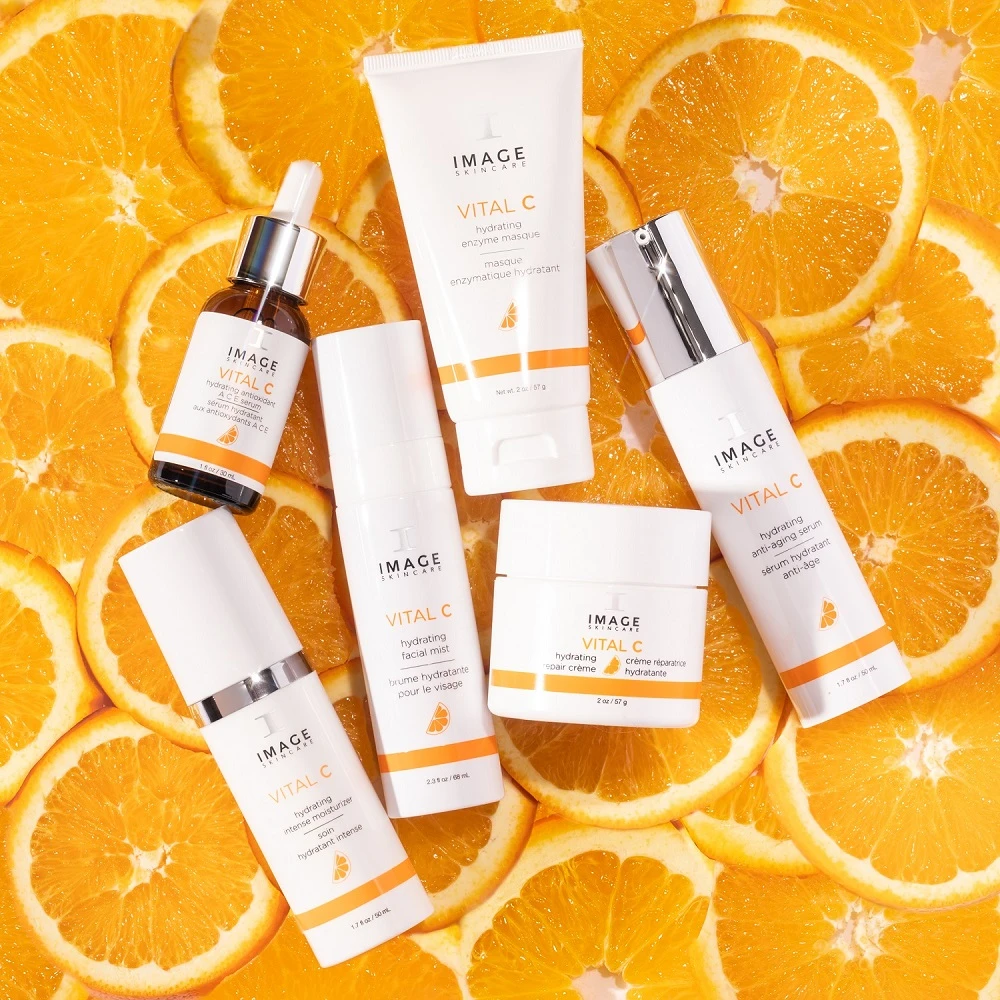
Vitamin C is essential for collagen synthesis. Without it, your body can’t form collagen properly.
Great sources:
- Oranges, lemons, limes
- Strawberries
- Kiwi
- Bell peppers
- Broccoli
- Guava
Aim for Vitamin C in every meal — it acts like a “collagen activator.”
C. Zinc & Copper–Rich Foods
These minerals act as cofactors, helping your enzymes create collagen effectively.
Foods high in zinc:
- Pumpkin seeds
- Lentils
- Chickpeas
- Cashews
- Meat
Foods high in copper:
- Almonds
- Sesame seeds
- Dark chocolate (in moderation)
- Leafy greens
D. Antioxidant-Rich Foods
Antioxidants protect collagen from free-radical damage and skin aging.
Top picks:
- Berries
- Green tea
- Tomatoes
- Dark leafy greens
- Nuts
These foods reduce inflammation, one of the primary causes of collagen breakdown.
2. Lifestyle Habits That Protect and Boost Collagen
What you eat matters — but your lifestyle can make or break your collagen production too.
A. Protect Your Skin from UV Damage
UV exposure is the biggest cause of collagen loss.
To protect your collagen:
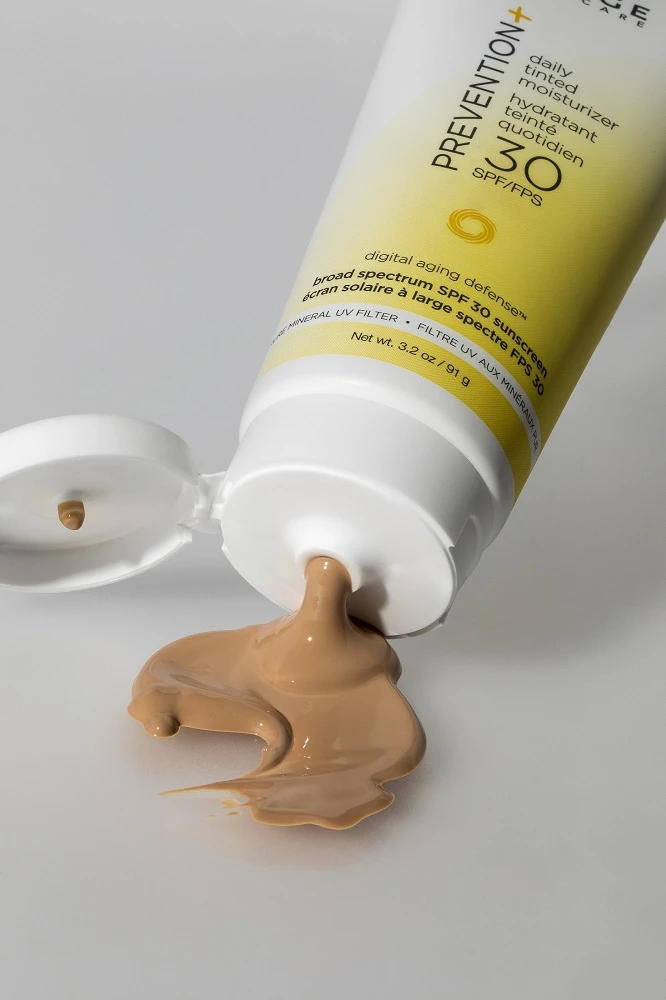
- Wear sunscreen daily (SPF 30+)
- Use protective clothing and hats.
- Limit midday sun exposure.
UV rays speed up aging even on cloudy or indoor days.
B. Sleep 7–9 Hours a Night
Your body produces collagen during deep sleep. Poor sleep slows down skin repair and accelerates aging.
Improve your collagen by:
- Maintaining a consistent sleep schedule
- Using a dark, cool room
- Avoiding screens 1 hour before bed
Quality sleep equals quality collagen.
C. Manage Stress
Stress increases cortisol, which breaks down collagen and slows healing.
Try:
- Meditation
- Deep breathing
- Walking
- Yoga
- Journaling
Small daily habits can significantly protect your skin and joints.
D. Stay Hydrated
Collagen thrives in a well-hydrated environment. Hydration increases skin plumpness and elasticity.
Drink:
- 7–10 glasses of water a day
- Coconut water or herbal teas for extra minerals
3. Avoid Habits That Destroy Collagen
Cutting out collagen-damaging habits can be just as important as adding good ones.
Excess Sugar
Sugar binds to collagen and makes it stiff and brittle — a process called glycation.
Lower your sugar intake by:
- Avoiding sugary drinks
- Limiting processed snacks
- Choosing whole fruits instead of desserts
Smoking
Smoking reduces blood flow and severely slows collagen synthesis. Quitting instantly improves your skin’s potential to rebuild collagen.
Excessive Alcohol
Alcohol dehydrates and inflames the skin, accelerating collagen breakdown.
Stick to moderate consumption to keep your collagen safe.
4. Natural Supplements (Optional, Not Required)
You don’t need supplements to boost collagen — but they can enhance your natural routine.
Popular supplement options include:
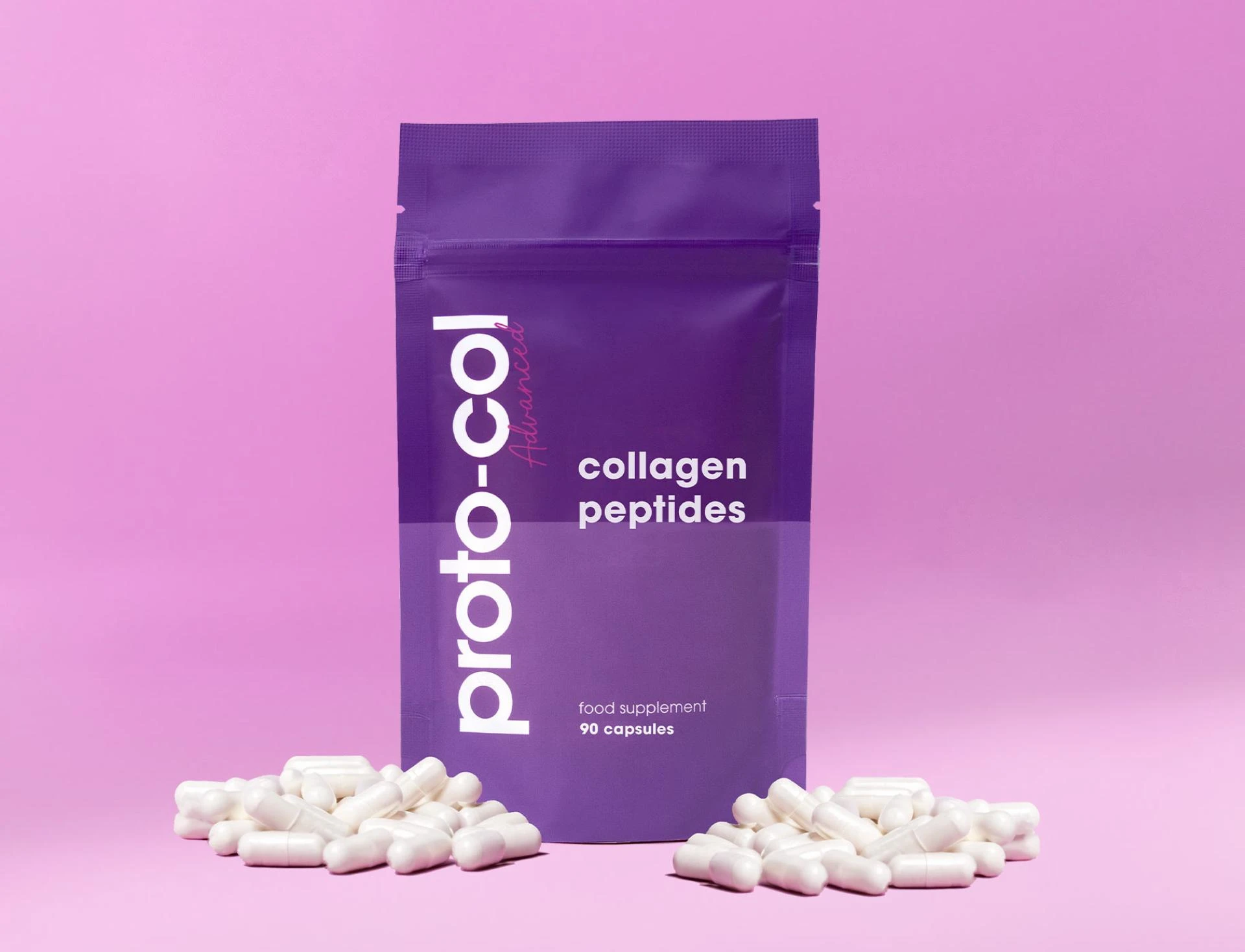
- Hydrolysed collagen peptides (easily absorbed)
- Marine collagen (great for skin, hair, nails)
- Vitamin C supplements (helps collagen form)
- Hyaluronic acid (supports skin moisture)
These supplements work best when combined with a collagen-friendly diet and lifestyle.
5. Top Natural Collagen Boosting Tips (Quick Summary)
✔ Eat protein-rich foods daily
✔ Add Vitamin C to every meal
✔ Consume berries, green tea & leafy greens
✔ Protect skin from the sun
✔ Sleep 7–9 hours
✔ Reduce stress
✔ Stay hydrated
✔ Cut down sugar & alcohol
✔ Take collagen supplements only if you want extra support
Final Thoughts
Boosting collagen naturally isn’t complicated — it’s about consistent habits, nutrient-rich foods, and protecting your body from things that break collagen down. Whether you follow a supplement-free routine or combine whole foods with collagen peptides, your skin, hair, nails, and joints will thank you.

























Sign in to leave a comment.