

Every day, inflammation is a term people use when they feel persistently “off” - heavier than usual, achy, low on energy, or slower to recover. Because these feelings can have many causes, the safest way to approach inflammation is two-fold: support your body with steady lifestyle choices, and use blood tests only to track patterns with a clinician (not to self-diagnose). So, let’s find out natural ways to reduce the inflammation:
Build Meals That Support a Lower Inflammatory Load
Food patterns can influence how “inflamed” the body feels day to day. Instead of extreme rules, aim for repeatable choices that keep meals steady.
Consider leaning more often towards:
- Seasonal vegetables and fruits in most meals
- Fibre-rich staples that suit you (dal, legumes, whole grains, millets)
- Protein sources you tolerate well (curd, paneer, eggs, fish, pulses, lean meats)
- Healthy fats in moderation (nuts, seeds, traditional cooking oils used sensibly)
And reduce the “daily routine” of:
- Packaged snacks and highly processed foods
- Sugar-heavy drinks and frequent desserts
- Deep-fried foods are becoming the default, especially late in the day
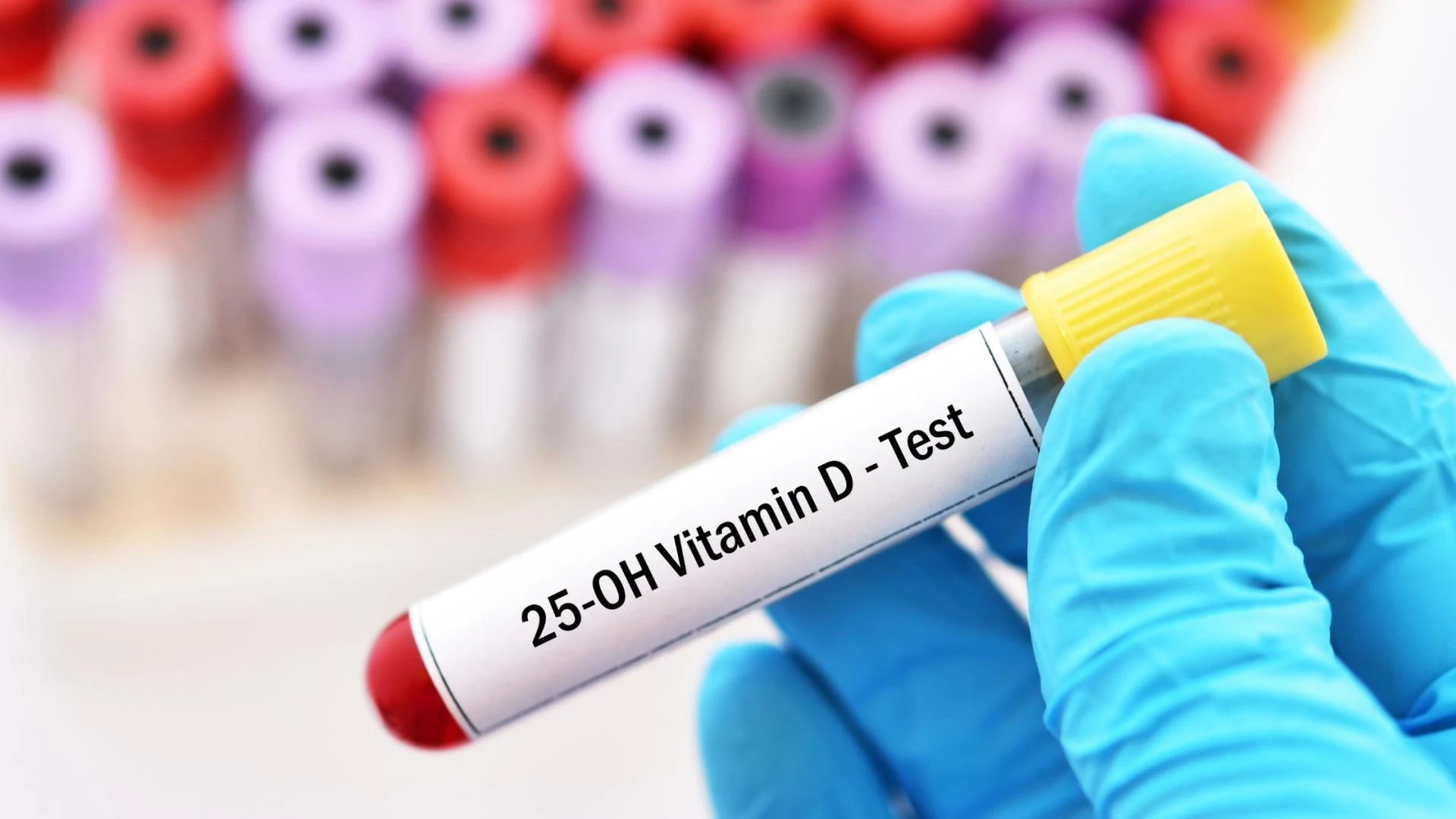
This is not about restriction. It is about lowering repeated dietary strain so your body has more room to recover. If a doctor is monitoring inflammation, they may correlate lifestyle patterns with markers such as a CRP test or C-reactive test over time rather than using a single reading to label a condition.
Move in a Way That Helps Recovery
Long sitting hours can make stiffness and heaviness feel worse. Regular movement supports circulation and muscle recovery, which many people associate with feeling less “inflamed”.
Useful movement anchors include:
- Short walks, especially after meals, when possible
- Gentle mobility or stretching when the body feels stiff
- Strength-focused activity if it suits your health status and routine
- Frequent breaks from prolonged sitting during work hours
If you have pain, dizziness, or a known medical condition, it is sensible to discuss safe activity choices with a clinician. In some cases, they may recommend tracking inflammation trends using a CRP blood test along with symptoms.
Prioritise Sleep And Stress Recovery
Sleep and stress do not show up as a single “stress value” on a report, but they can influence how the body manages strain. When sleep is poor, cravings rise, recovery slows, and day-to-day aches can feel sharper.
Supportive habits include:
- A consistent sleep routine on most days
- A lighter evening pattern that supports rest (meal timing and screen use)
- Simple decompression daily: walking, breathing exercises, quiet time, or prayer
- Clear boundaries around late-night work messages where possible
These steps may not change a report overnight, but they can improve how the body handles daily load. If your clinician suggests inflammation tracking, they may look at a CRP level test alongside sleep, stress, and recovery patterns.
Don’t Ignore Oral And Gut Triggers
Two common, overlooked sources of inflammatory strain are dental issues and ongoing digestive discomfort.
- Gum irritation, tooth infections, or unresolved dental pain can contribute to inflammatory signalling in the body.
- Frequent bloating, irregular bowel habits, or food intolerance patterns may also keep you feeling unwell.
If either is persistent, a clinician-led review is more reliable than trial-and-error assumptions. Based on your symptoms, a doctor might also suggest a C-reactive protein test / C-protein test as one piece of the overall assessment.
Conclusion
The most natural methods of treating everyday inflammation on a daily basis tend to be based on consistency: less fluctuating meals, regular movement, more restorative sleep, and achievable stress management. In case testing is recommended, the CRP test can be used to monitor inflammation trends when interpreted by a professional and used alongside your symptoms and recent health history.
If you’re planning your lab work, many providers let you book CRP test online or book C-reactive protein test online, and the CRP test price can vary based on the lab, city, and whether home sample collection is included.





























Sign in to leave a comment.