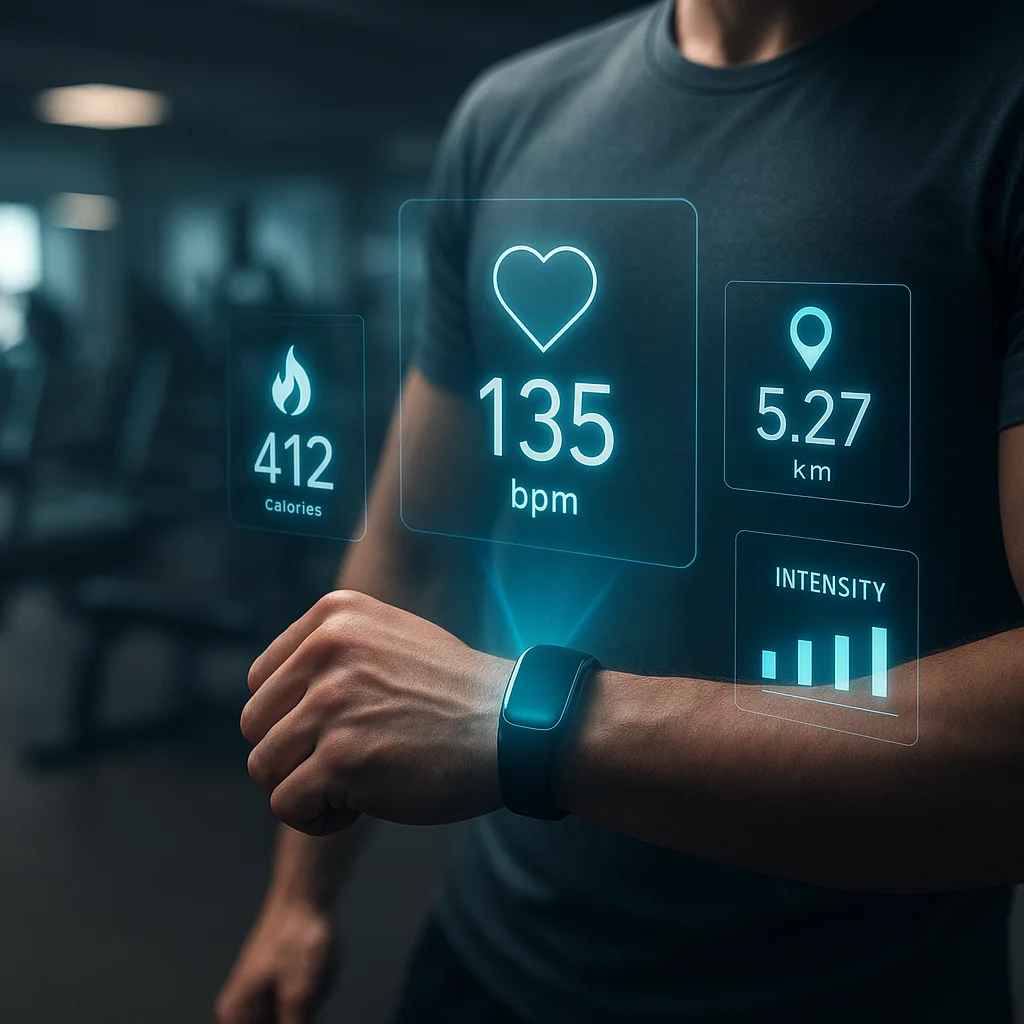

Tracking Progress: A New Dawn in Workout Precision
Imagine stepping into a bustling gym in Pune’s Koregaon Park, where amidst the hum of treadmills and clanking weights, a subtle revolution is quietly unfolding. Fitness enthusiasts, from young professionals to seasoned athletes, no longer rely solely on intuition or sporadic gym visits to measure their progress. Instead, they wear sleek devices strapped to their wrists—fitness trackers that go beyond counting steps or calories. These gadgets have transformed workouts from guesswork to data-driven precision, offering real-time feedback that can sharpen performance and deepen motivation.
Fitness trackers have surged in popularity worldwide, but their impact on workout effectiveness is particularly profound in regions embracing both modern technology and traditional wellness philosophies, such as India. The integration of biometric data — heart rate variability, sleep patterns, oxygen saturation, and more — empowers users to tailor workouts to their unique physiology. This shift is more than technological; it’s cultural, merging ancient Ayurvedic insights about body rhythms with cutting-edge sensor technology.
“Fitness trackers have become indispensable tools that bridge the gap between subjective effort and objective results, enabling users to optimize every session,” explains Dr. Radhika Joshi, a sports physiologist based in Pune.
These devices are not just gadgets but personal coaches, providing nuanced insights that were once accessible only through specialized labs. Their ability to offer continuous, personalized data is reshaping how individuals approach fitness, promoting smarter, safer, and more effective exercise routines.
The Evolution of Fitness Tracking: From Pedometers to AI-Driven Analytics
The journey of fitness trackers began decades ago with simple pedometers—mechanical devices counting steps. While revolutionary in their time, these early tools offered limited insights into overall health or workout efficacy. The past decade, however, has witnessed an explosion in wearable technology sophistication, fueled by advancements in sensors, battery life, and artificial intelligence.
By 2026, fitness trackers have evolved into multi-sensor platforms that monitor a broad spectrum of physiological parameters. Modern devices integrate accelerometers, gyroscopes, photoplethysmography (PPG) sensors, and even electrodermal activity sensors to measure stress levels. This convergence of technologies allows comprehensive tracking of cardiovascular health, muscular exertion, recovery status, and sleep quality.
- Heart rate monitoring: Real-time pulse tracking guides intensity levels, ensuring users stay within optimal zones for fat burning or endurance training.
- VO2 max estimation: Advanced algorithms estimate maximum oxygen uptake to assess aerobic fitness and guide progression.
- Sleep analysis: Detailed insights into REM, deep, and light sleep phases inform recovery and readiness to train.
- Recovery metrics: Tracking heart rate variability (HRV) helps determine when the body is primed for exertion or needs rest.
This evolution has democratized access to what was once exclusive data for elite athletes and medical research, making precision fitness coaching accessible to everyday users.
According to Everyday Health, the 10 best fitness trackers of 2026 combine these sensors with AI-driven coaching, delivering personalized workout suggestions and injury prevention alerts. This technological leap has reshaped how fitness enthusiasts measure success, shifting from subjective feelings to objective, actionable insights.
Data-Driven Performance: How Metrics Translate to Better Workouts
The core advantage of fitness trackers lies in their ability to translate complex physiological data into comprehensible metrics that directly improve workout performance. This process unfolds across several dimensions:
- Personalized Intensity Control: By continuously monitoring heart rate and oxygen consumption, trackers help users maintain exercise intensity within target zones. This prevents undertraining and overtraining, both detrimental to progress.
- Optimized Recovery: Tracking HRV and sleep quality enables users to gauge recovery status. Studies show that ignoring recovery leads to plateauing or injury. Fitness trackers signal when to rest or push harder, aligning with Ayurvedic principles of balancing effort and recuperation.
- Technique and Form Feedback: Advanced wearables incorporate motion sensors and AI to analyze movement patterns, reducing injury risk and enhancing efficiency. For instance, runners receive cadence and impact data to adjust stride and prevent joint strain.
- Motivation Through Gamification and Social Features: Many trackers feature goal-setting, badges, and community challenges that sustain engagement. Social connectivity, especially with Indian fitness communities, fosters accountability and inspiration.
“The real-time feedback changes how people perceive their workouts. It’s no longer about just finishing a session but about optimizing every minute,” remarks fitness entrepreneur Anil Mehta from Mumbai.
Recent studies in sports science underscore these benefits. A 2025 meta-analysis published in the Journal of Sports Medicine concluded that fitness tracker users improved aerobic capacity by an average of 12% over non-users within six months due to more tailored training regimens.
Moreover, in India, where urban sedentary lifestyles are rising, such data-driven interventions are crucial. Fitness trackers help counter lifestyle diseases by encouraging measurable activity increases, making them vital in public health strategies.
Innovations and Trends Shaping Fitness Trackers in 2026
The landscape of fitness trackers in 2026 is marked by remarkable innovations that push the boundaries of what these devices can do. Among the most significant developments:
- Integration with Ayurveda and Holistic Health: Startups in Pune and Bengaluru are developing trackers that incorporate Ayurvedic dosha assessments, offering personalized exercise and diet recommendations based on ancient wisdom combined with biometric data.
- Enhanced Sensor Accuracy: Optical sensors have improved significantly, enabling precise blood glucose and hydration level monitoring without invasive methods. This has particular relevance for diabetic individuals managing workouts.
- AI-Powered Coaching: Machine learning algorithms analyze historical workout and biometric data to anticipate fatigue, suggest optimal training cycles, and prevent burnout.
- Seamless Ecosystem Integration: Trackers now sync effortlessly with smart home gyms, virtual reality workout platforms, and telemedicine portals, creating immersive and supervised fitness experiences.
- Battery and Wear Comfort: New battery technologies extend device life to weeks, while lightweight, hypoallergenic materials ensure comfortable long-term wear.
Leading brands such as Fitbit, Garmin, and Indian startups like GOQii have embraced these trends. According to MSN’s 2026 review, the best trackers combine holistic health data with actionable workout metrics, reflecting the growing consumer demand for integrated wellness solutions.
These advancements also align with Pune’s growing reputation as a health-tech innovation hub, where researchers collaborate with wellness experts to create culturally relevant fitness technologies.
Real-World Impact: Case Studies and User Experiences
The transformation brought by fitness trackers is best understood through real-world examples. Consider Aditi, a 32-year-old corporate professional from Pune, who struggled with inconsistent gym routines and fatigue. After adopting a fitness tracker that monitored her heart rate, sleep, and stress, she adjusted her workouts based on recovery scores and intensity recommendations. Within four months, she reported enhanced stamina and reduced injury episodes.
Similarly, a local running club integrated fitness trackers into their training regimen. Tracking cadence, pace, and recovery times allowed the group to improve marathon completion rates by 18%, as members optimized training loads and avoided overexertion.
“Before using fitness trackers, my training was hit-or-miss. Now, I understand my body’s signals better and can push safely,” shares Rajesh Kulkarni, a Pune-based amateur triathlete.
These stories reflect broader trends documented by fitness experts who see wearables as catalysts for behavioral change. The combination of continuous monitoring and personalized feedback supports sustained commitment and performance gains.
For readers interested in exploring the nuances of tracker-enabled motivation, our detailed analysis in How Fitness Trackers Boost Workout Performance and Motivation provides further insights. Additionally, the article How Fitness Trackers Enhance Workout Performance in 2026 complements this discussion with updated technology assessments.
Looking Ahead: The Future of Fitness Tracking and Workout Optimization
As technology advances, the role of fitness trackers in workout performance will deepen. Anticipated future directions include:
- Personalized Genomic Integration: Combining genetic data with biometric tracking to tailor exercise plans uniquely suited to individual predispositions and recovery capacities.
- Enhanced Mental Wellness Monitoring: Integration of neurofeedback sensors to optimize mental state during workouts, blending physical and psychological performance.
- Augmented Reality (AR) Coaching: Real-time visual feedback on form and effort through AR glasses synced with trackers, making technique correction immediate and immersive.
- Community-Driven Health Ecosystems: Increased social and cultural customization of fitness platforms that respect diverse traditions, such as yoga and Ayurveda, aligning technology with local wellness practices.
“The fusion of traditional wellness knowledge with emerging tech will define the next frontier of fitness tracking, especially in India,” predicts Dr. Meera Srinivasan, a wellness technology consultant.
For enthusiasts and healthcare providers alike, staying informed about these trends is crucial. Fitness trackers will not only enhance performance but potentially transform preventive healthcare, reducing the burden of lifestyle diseases by encouraging informed, consistent physical activity.
In conclusion, fitness trackers have transcended their initial role as simple step counters to become sophisticated partners in personal health. By delivering detailed, actionable insights and fostering motivation, they enable users to optimize workouts with unprecedented precision. Their integration with cultural health paradigms and continuous technological innovation promises a future where fitness is not just measured but truly mastered.

































Sign in to leave a comment.