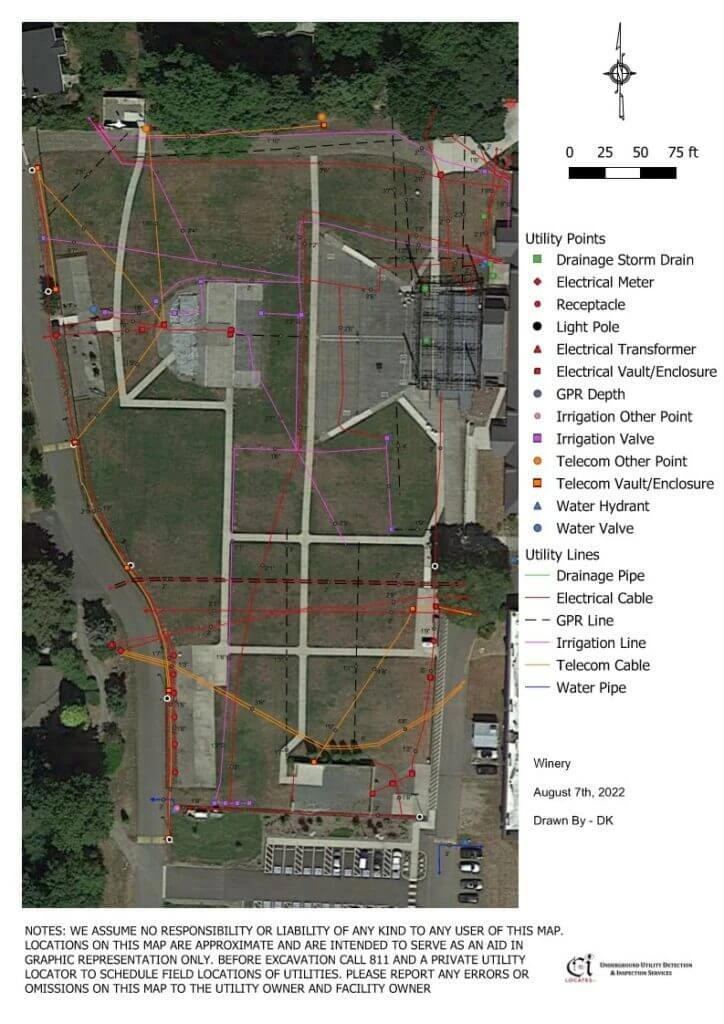

In a world where efficiency is paramount, individuals and organizations strive to master the art of utility locating. With the power of utility locator techniques, they can effortlessly detect and trace underground utilities with unparalleled accuracy, saving time and resources and minimizing potential risks. This comprehensive guide dives into the realm of utilities locating, equipping readers with the knowledge and tools to conquer the intricacies of underground networks. Prepare to embark on a journey where the once concealed becomes revealed as the secrets lying beneath the surface are unveiled, empowering readers to navigate the hidden grid like never before.
Top Locator Safety Hazards And Concerns To Keep In Mind
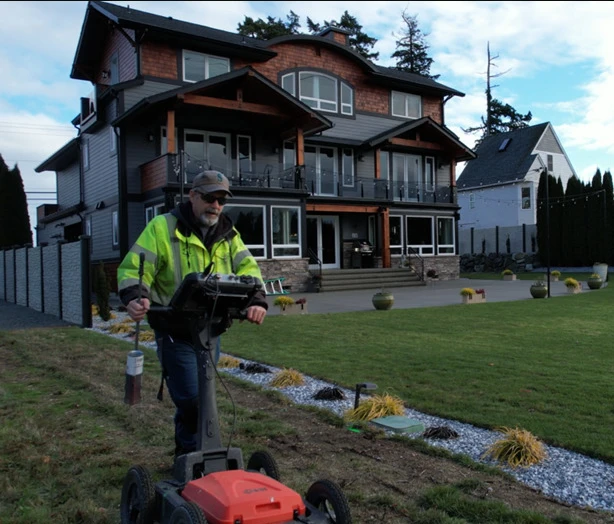
With their unparalleled expertise and state-of-the-art technology, they empower individuals and organizations to navigate underground networks effortlessly. Through their comprehensive utility locate services, they unveil the concealed infrastructure, enabling clients to save valuable time and resources and mitigate potential risks. Here are the top locator safety hazards and concerns to keep in mind.
Poor PlanningContractors continually seek innovative methods to reduce costs and adhere to project schedules and budgets, often facing constraints. While client satisfaction is paramount, unforeseen incidents can present challenges that are difficult to anticipate. Effective planning and implementing contingency measures for worst-case scenarios are essential prerequisites to mitigate these uncertainties before proceeding with any project. This approach ensures that potential disruptions are accounted for and minimizes the likelihood of unexpected complications arising during the project.
Collapsed Tunnels And Cave-insAt least two workers lose their lives every month due to cave-ins during trenching and excavation procedures. While this statistic is grim, it can be significantly reduced through diligent efforts and appropriate engineering practices. Engaging the expertise of utility locators becomes crucial in mitigating such risks. These professionals conduct thorough assessments of the soil composition, allowing them to design and implement systems that incorporate adequate shielding, barriers, and support features. By identifying potential hazards and implementing preventive measures, utility locators play a pivotal role in preventing cave-ins and ensuring the safety of workers involved in excavation projects.
Toxic GasesIn compliance with existing safety regulations, contractors must conduct atmospheric testing for toxins in excavations exceeding a depth of 4 feet. This precaution is crucial due to the depletion of oxygen levels as one venture deeper into the ground. Additionally, toxic gases such as methane and carbon monoxide may be present at these depths, further emphasizing the necessity of respiratory protection measures, such as respirators or other breathing apparatus. By adhering to these protocols, contractors prioritize the well-being of workers and mitigate the potential risks associated with excavations in environments with compromised atmospheric conditions.
Falls & AccidentsWorkers face the risk of slips, leading to potentially hazardous falls into dangerous depths during construction projects. Moreover, more adequately secured materials, loads, and equipment are also susceptible to similar incidents. While it is impossible to eliminate all human errors, preventive measures can significantly reduce such occurrences. Engaging utility locator services becomes instrumental in designing clear and safe walkways while erecting barriers to prevent unauthorized access to hazardous areas. To address slippery surfaces, these professionals can recommend and implement solutions such as applying grit or stones to enhance traction. By incorporating these preventive measures, utility locator services contribute to minimizing the risk of slips, safeguarding the well-being of workers, and protecting materials and equipment from unfortunate accidents.
Hitting Underground Lines Or UtilitiesWhile local maps often include information about underground infrastructure, relying solely on them can pose risks due to potentially outdated or incomplete data. Most maps lack precise depth indications, exposing crews to dangers like accidental electrocution from live power lines or damage to critical infrastructure like fiber optic cabling. Thankfully, a practical solution exists: hiring an underground locator service. These professionals offer the expertise and tools necessary to provide up-to-date and accurate maps of underground utilities. By utilizing their services, you can ensure the safety of your crew by minimizing the risk of accidental encounters with hazardous elements and preventing costly damages to essential infrastructure.
Dangerous EquipmentFor maintaining a healthy working environment, it is crucial to recognize the potential dangers associated with poor equipment handling at job sites. Mishandling heavy machinery and specialized tools can lead to severe injuries and accidents. To mitigate these risks, it is prudent to prioritize recruiting highly experienced service members with the necessary expertise to operate such equipment with precision and caution. Their experience and skills contribute to a safer work environment and minimize the likelihood of accidents occurring due to improper handling. In addition to hiring skilled professionals, proper storage practices are essential. Equipment should be stored in designated areas that meet safety standards, ensuring that they are protected from potential hazards such as extreme weather conditions or unauthorized access.
Insufficient SupervisionMaintaining a safe worksite requires a diligent and safety-conscious supervisor who strictly adheres to safety rules and operational procedures. Any compromises in this regard can jeopardize the well-being of the entire crew. Therefore, it is essential to prioritize accountability, meticulous record-keeping, and effective communication skills among worksite supervisors. By insisting on accountability, supervisors are responsible for ensuring that safety protocols are followed consistently, identifying potential hazards, and taking prompt action to mitigate risks. Good record-keeping practices enable supervisors to track safety incidents, near misses, and relevant training, facilitating a proactive approach to identify trends and implement preventive measures.
Harnessing The Potential Of Utilities Locator Services For Safer Operations!
The dangers associated with outdated information and inadequate depth indications can be significantly reduced by utilizing updated and accurate maps of underground utilities provided by underground locator services. It ensures the safety of crews by minimizing the risk of accidental encounters with live power lines or critical infrastructure.
Moreover, prioritizing experienced service members to handle heavy machinery and specialized tools, along with proper equipment storage and regular servicing, is essential in preventing injuries and maintaining optimal functionality. Promoting accountability, good record-keeping, and effective communication among worksite supervisors can foster a culture of safety, leading to enhanced hazard awareness and incident prevention. If you want the best utilities locator services, contact C-N-I Locates. Visit their website for more information.


























Sign in to leave a comment.