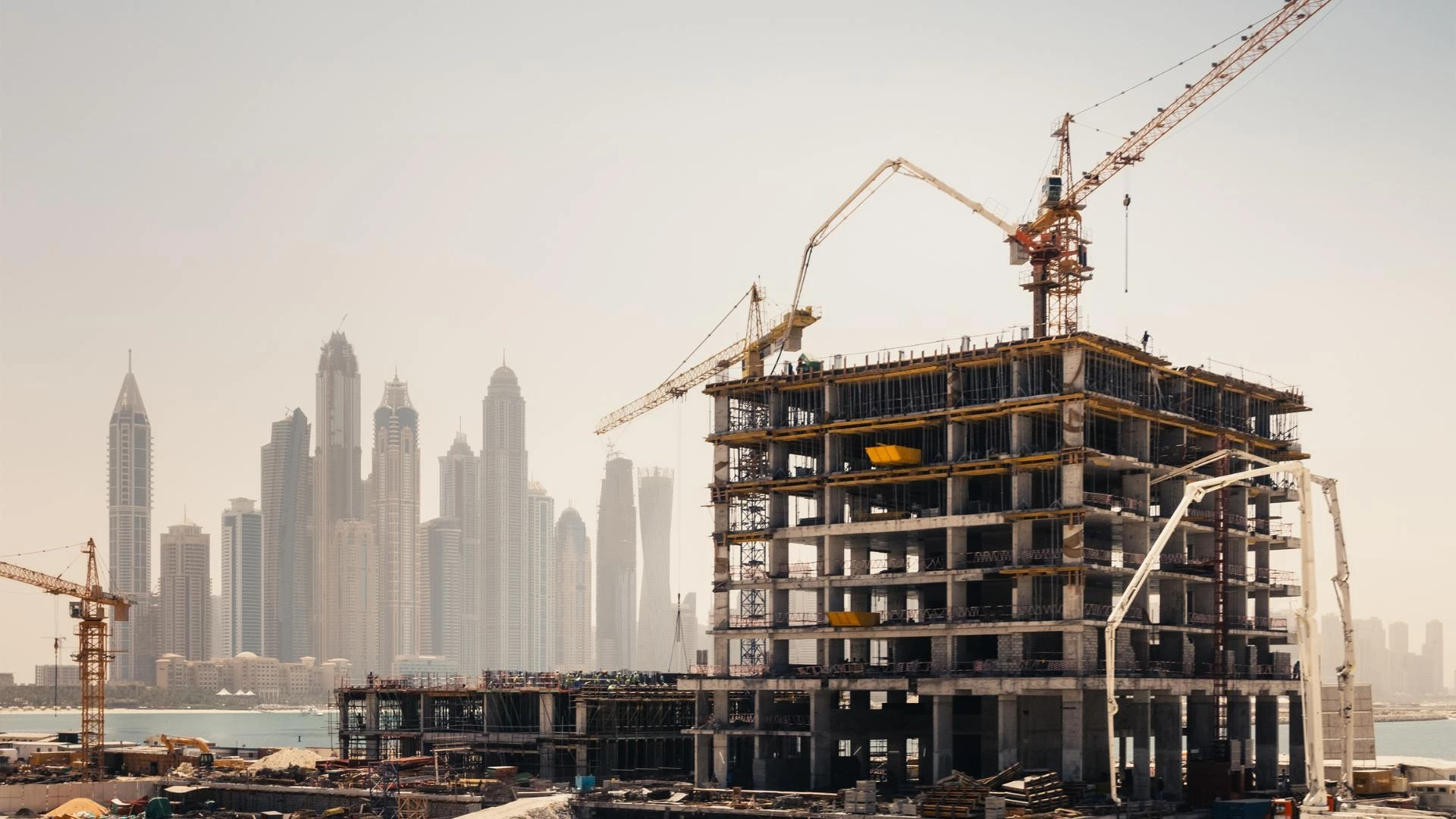

Construction in the United Arab Emirates is synonymous with ambition. From the gravity-defying Burj Khalifa to the sprawling archipelagos of the Palm Jumeirah, the UAE has established itself as a global playground for architectural innovation. However, beneath the gleaming facades and record-breaking heights lies a complex framework of regulations, approvals, and engineering standards that make these structures possible.
For developers, architects, and property owners, understanding the local landscape of civil engineering is not just a technical requirement—it is the difference between a project that rises on schedule and one that gets stuck in bureaucratic limbo. The regulatory environment in the UAE is rigorous, designed to ensure safety, sustainability, and aesthetic harmony in a rapidly growing region. Navigating this process requires expertise, patience, and the right partners.
At Integra, we specialize in guiding clients through the intricacies of the UAE’s construction sector. Whether you are planning a commercial tower, a residential villa, or an industrial facility, success begins with understanding the rules of the game. This guide explores the essential steps of civil engineering design, the approval processes involved, and how to ensure your project meets the highest standards of safety and compliance.
Understanding the Role of Dubai Municipality
The Dubai Municipality is the governing body responsible for urban planning and the supervision of construction projects within the emirate of Dubai. It acts as the gatekeeper for all civil works, ensuring that every structure adheres to strict safety codes, environmental regulations, and urban planning guidelines. Securing approval from the Dubai Municipality is a critical milestone for any construction project. The process involves submitting detailed architectural and structural drawings, obtaining a No Objection Certificate (NOC) from relevant service authorities, and undergoing rigorous inspections at various stages of construction. Failing to meet their standards can lead to significant delays, fines, or even the rejection of a project. At Integra, we have extensive experience liaising with the Dubai Municipality, ensuring our clients’ designs are compliant from day one, streamlining the approval process and avoiding costly setbacks.
The Pillars of Structural Integrity in the UAE
Building in the UAE presents unique engineering challenges. The region's geological makeup, characterized by sandy soil and high water tables in coastal areas, demands specialized foundation design. Furthermore, the extreme climate—with searing summer temperatures and high humidity—requires materials and structural systems that can withstand thermal expansion and corrosion over time.
Foundation Design and Soil Analysis
Before a single beam is erected, engineers must look down. A comprehensive geotechnical investigation is mandatory for all projects. This involves drilling boreholes to analyze soil composition, density, and load-bearing capacity. In Dubai and Abu Dhabi, where skyscrapers are common, deep pile foundations are often necessary to transfer heavy loads to stable soil layers deep underground. Engineers must calculate these loads with precision to prevent settlement, which could compromise the building's stability years down the line.
Wind and Seismic Considerations
While the UAE is not located on a major fault line, seismic design is a mandatory component of modern civil engineering here. Regulations require buildings to withstand potential tremors from nearby seismic zones, such as those in Iran. Additionally, wind engineering is paramount, especially for high-rise structures. The higher you build, the more significant wind forces become. Engineers use wind tunnel testing and advanced computational modeling to ensure towers do not sway excessively, maintaining both structural safety and occupant comfort.
The Approval Workflow: From Concept to Concrete
Moving a project from a blueprint to a construction site involves a multi-layered approval workflow. This system ensures that all stakeholders—from utility providers to environmental agencies—review the project's impact.
1. Preliminary Design Approval
The journey begins with the submission of preliminary concept designs. This stage confirms that the proposed building's use, height, and appearance align with the master plan of the specific zone. Authorities review zoning regulations, plot limits, and density requirements.
2. Service Authority NOCs
Before final permits are issued, developers must obtain No Objection Certificates (NOCs) from service providers. This includes:
- DEWA (Dubai Electricity and Water Authority): Ensuring adequate power and water connection points.
- Civil Defense: Verifying fire safety measures, evacuation routes, and active fire suppression systems.
- RTA (Roads and Transport Authority): assessing the impact on traffic flow and access points.
- Etisalat/Du: Confirming telecommunications infrastructure.
Coordinating these approvals can be a logistical challenge, as conflicting requirements often arise. An experienced engineering consultancy acts as the central coordinator, resolving these conflicts to keep the timeline moving.
3. Final Building Permit
Once all NOCs are secured and the detailed structural design is approved, the final building permit is issued. This document is the green light for contractors to mobilize on-site. However, the oversight does not end there. Regular inspections by municipality engineers occur throughout the construction phase to ensure the built reality matches the approved drawings.
Sustainability and Green Building Regulations
The UAE is aggressively pursuing sustainability goals, and the construction sector is a primary target for these initiatives. The "Al Sa'fat" Green Building Rating System in Dubai mandates specific environmental standards for new buildings.
Civil engineers play a crucial role in meeting these green standards. This involves:
- Thermal Efficiency: Designing building envelopes with high-performance insulation and glazing to reduce the load on air conditioning systems.
- Water Conservation: integrating greywater recycling systems and efficient plumbing fixtures.
- Sustainable Materials: Specifying concrete and steel with lower carbon footprints or higher recycled content.
Compliance with Al Sa'fat is not optional; it is a prerequisite for obtaining a completion certificate. Beyond compliance, sustainable design offers long-term value to property owners through reduced operational costs and increased asset value.
Technology in Modern Engineering
The days of 2D blueprints are fading fast. The UAE construction sector is a leader in adopting Building Information Modeling (BIM). BIM allows engineers, architects, and contractors to work on a single, 3D digital model of the project.
This technology enables:
- Clash Detection: Identifying conflicts between structural elements and mechanical systems (like air ducts hitting beams) before construction begins.
- Cost Estimation: Generating accurate material quantities to prevent budget overruns.
- Lifecycle Management: Providing facility managers with a digital twin of the building for efficient maintenance.
At Integra, we utilize cutting-edge BIM software to deliver precise, error-free designs that facilitate smoother construction and better communication with all stakeholders.
Common Pitfalls in the Design Phase
Even with the best intentions, projects can derail. Common issues that lead to rejection or delays include:
- Incomplete Submissions: Missing documents or drawings that lack required details are the most frequent cause of delays.
- Non-Compliance with Codes: Ignoring specific clauses in the Dubai Building Code or Fire Life Safety Code.
- Ignoring Utility Corridors: Designing foundations or structures that encroach on existing underground utility lines.
Avoiding these pitfalls requires a partner who doesn't just know the theory of engineering, but the specific administrative nuances of the UAE market.
The Importance of Professional Engineering Services
When it comes to Civil engineering design UAE, cutting corners is never an option. The region’s specific environmental conditions and rigorous regulatory standards demand a level of precision that only experienced professionals can provide. High-quality civil engineering design goes beyond basic structural stability; it encompasses efficient resource management, adherence to strict safety protocols, and the integration of sustainable practices. At Integra, our team of qualified engineers ensures that every aspect of your project—from the initial soil analysis to the final structural framework—is optimized for durability and compliance. We bridge the gap between ambitious architectural concepts and the practical realities of construction in the Emirates, ensuring your vision is built on a foundation of excellence.
Building the Future with Confidence
The construction landscape in the UAE is dynamic, driven by a vision of modernity and excellence. For investors and developers, the opportunities are immense, but so are the responsibilities. Success relies on a deep understanding of the regulatory framework and a commitment to engineering integrity.
By prioritizing compliance, embracing sustainability, and utilizing advanced technology, developers can ensure their projects contribute to the UAE’s iconic skyline while delivering safety and value. Whether you are navigating the corridors of the Dubai Municipality or finalizing the structural calculations for a new villa, having a knowledgeable partner by your side is essential.






Sign in to leave a comment.