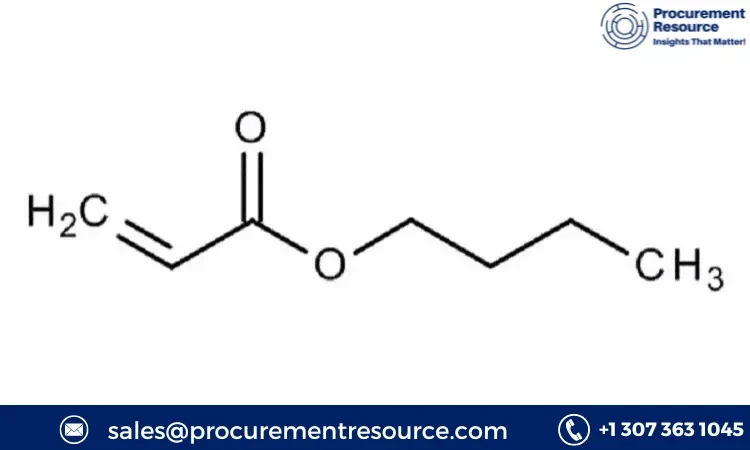

Butyl acrylate, a significant chemical compound with diverse industrial applications, plays a crucial role in various sectors including coatings, adhesives, textiles, and plastics. Its versatility and desirable properties make it a sought-after ingredient in many products. However, behind its widespread usage lies a complex production process with associated costs. In this article, we delve into the factors influencing the Production Costs of Butyl Acrylate, shedding light on the economics driving its manufacturing.
Understanding Butyl Acrylate Production
Butyl acrylate is primarily synthesized through the esterification reaction between acrylic acid and butanol, a process that involves several steps and specific conditions to achieve optimal yield and purity.
- Raw Material Costs:
The production cost of butyl acrylate is heavily influenced by the prices of its raw materials, namely acrylic acid and butanol. Acrylic acid, derived from propylene, is a key precursor whose cost is subject to fluctuations in petroleum prices, market demand, and supply chain dynamics. Similarly, butanol, typically sourced from petrochemical feedstocks or renewable sources such as biomass, is susceptible to price volatility driven by factors like feedstock availability and refining capacity.
- Reaction Process:
The esterification reaction between acrylic acid and butanol is catalyzed by acids or bases under controlled temperature and pressure conditions. The choice of catalyst, reaction kinetics, and process optimization significantly impact the efficiency and yield of the reaction. Energy consumption, equipment maintenance, and waste management also contribute to the overall production costs.
- Purification and Separation:
Following the esterification reaction, the crude butyl acrylate mixture undergoes purification and separation steps to remove impurities and by-products. Distillation, solvent extraction, and molecular sieving are common techniques employed to achieve the desired product purity. These purification processes incur additional costs associated with energy, utilities, and waste disposal.
Request For Free Sample: https://procurementresource.com/production-cost-report-store/butyl-acrylate/request-sample
Economic Factors Influencing Production Costs
- Scale of Production:
The scale of production plays a crucial role in determining the production costs of butyl acrylate. Larger manufacturing facilities benefit from economies of scale, where the average cost per unit decreases as production volume increases. Investments in larger reactors, efficient process design, and automation can help manufacturers capitalize on these economies and reduce production costs.
- Feedstock Availability and Pricing:
The availability and pricing of raw materials, particularly acrylic acid and butanol, directly influence the production costs of butyl acrylate. Manufacturers may explore alternative feedstock sources, invest in backward integration, or enter into long-term supply agreements to mitigate supply chain risks and price fluctuations.
- Technological Innovation:
Advancements in process technology and catalyst development can lead to improvements in yield, energy efficiency, and product quality, thereby reducing production costs. Continuous research and development efforts aimed at optimizing reaction conditions, catalyst performance, and downstream processing are essential for enhancing competitiveness in the market.
Market Dynamics and Pricing Strategies
The market for butyl acrylate is influenced by factors such as demand from end-user industries, competitive landscape, and regulatory requirements. Pricing strategies adopted by manufacturers reflect a balance between maximizing profitability and maintaining market share.
- Demand-Supply Dynamics:
Fluctuations in demand from key end-user industries such as paints and coatings, adhesives, and textiles can impact the pricing of butyl acrylate. Manufacturers must closely monitor market trends, anticipate demand fluctuations, and adjust production levels accordingly to optimize resource utilization and minimize inventory costs.
- Competitive Pricing:
Intense competition among butyl acrylate manufacturers necessitates strategic pricing to remain competitive in the market. Pricing decisions take into account factors such as production costs, competitor pricing, product differentiation, and perceived value by customers.
- Regulatory Compliance:
Compliance with environmental regulations, health and safety standards, and product quality specifications adds to the production costs of butyl acrylate. Manufacturers invest in pollution control measures, safety protocols, and quality assurance systems to ensure compliance and uphold their reputation in the market.
Future Trends and Challenges:
The production of butyl acrylate is poised to face several challenges and opportunities in the coming years, driven by evolving market dynamics and technological advancements.
- Sustainable Production Practices:
Growing concerns about environmental sustainability and carbon footprint are prompting manufacturers to explore greener production methods and renewable feedstock sources for butyl acrylate synthesis. Investments in bio-based technologies, waste valorization, and energy-efficient processes can enhance the sustainability profile of butyl acrylate production and align with regulatory mandates and consumer preferences.
- Circular Economy Initiatives:
The adoption of circular economy principles, aimed at minimizing waste generation and maximizing resource efficiency, presents opportunities for butyl acrylate manufacturers to optimize resource utilization and reduce production costs. Recycling and recovery of waste streams, by-product utilization, and closed-loop supply chains can contribute to cost savings and environmental stewardship.
Conclusion
The production costs of butyl acrylate are influenced by a multitude of factors, including raw material prices, production processes, economies of scale, technological innovation, market dynamics, and regulatory compliance. Understanding these cost drivers is essential for manufacturers to optimize their operations, remain competitive, and adapt to evolving market trends and challenges. As the industry continues to evolve, embracing sustainable practices, fostering innovation, and maintaining agility will be key to driving growth and profitability in the global butyl acrylate market.


























Sign in to leave a comment.