
How Online Drug Addiction Programs Can Help
Overcoming the addiction can feel really isolating and overwhelming. You might wonder whether there is any way where you can get treatment right at your secure zone without leaving your home. Then, online drug treatment programs are just the right answer for you.
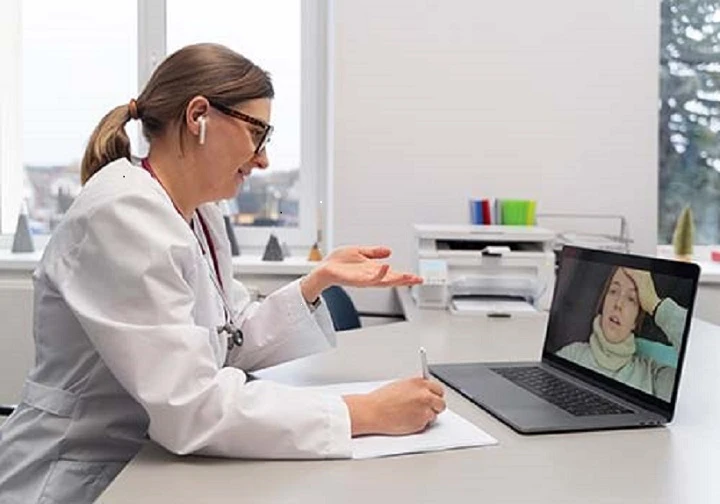
Online drug addiction programs are provided through online platforms such as Skype or video conferencing softwares. These programs are easily accessible, offer 24/7 support, and can be adjusted according to your preferences. With the help of interactive video sessions, the online treatment experience is further enhanced.
Just like traditional approaches, online addiction programs use a variety of behavioral therapies to provide clients with the necessary skills and tools required to sustain a healthy lifestyle. So, let’s explore further how these online programs can be a powerful tool for addiction recovery.
What Are Telehealth Addiction Treatment Programs?
A telehealth addiction treatment program is a form of addiction treatment that utilizes technology to connect with qualified professionals remotely. Using its services, people can get remote therapy sessions, live support, personalized care, and medication-assisted treatment (MAT).
Most of the time, we think that telehealth programs and online drug addiction programs are the same. However, there are some critical differences between the two, which are very important to know.
The online drug addiction therapy sessions are focused on self-paced learning and recovery resources, whereas in telehealth programs, therapy sessions are conducted by qualified professionals.In online drug addiction programs, the interactions are asynchronous, and they may offer forums, chat rooms, or email support but not real-time interaction with a therapist. In contrast, in telehealth programs, the interaction is synchronous with therapists using video conferencing or phone calls.But, we shouldn’t forget that the intent behind both these programs is the same, i.e., opioid addiction treatment.
How Telehealth Programs Can Help In Opioid Recovery?
The telehealth programs offer a flexible and accessible approach to opioid addiction treatment. It serves as a powerful tool to support individuals in their journey of recovery. Here is how these programs can be particularly beneficial
Convenience And Accessibility
The traditional approaches for treatment require in-person meetings, which can be a major concern to those people who live in faraway places. Telehealth programs, with their wide range, eliminate such restrictions and offer the same roof so these people also get the proper treatment from the comfort of their homes.
Reduced Stigma
We all know addiction is seen as a stigma in society. So, getting out of the house for treatment can feel very discouraging and embarrassing to some people. In such cases, telehealth offers a more anonymous and discreet approach to therapy. And now, people don’t need to worry about judgment within their community.
Varied Program Option
Online programs offer a variety of approaches and resources, so you can find the programs that best suit your needs and preferences. Some programs solely focus on cognitive behavioral therapy, whereas others use mindfulness practices or peer support groups for substance abuse treatment.
24/7 Support
In contrast to traditional therapy approaches, where you have scheduled time for the session, many online addiction treatment programs provide access to support materials, forums, and chat rooms, allowing you to connect with others on a similar journey and access help whenever you need it.
Cost-Effectiveness
In traditional therapy sessions for drug addiction treatment, you have to pay large amounts of money to experts so only a few people can afford them, and if you live some far away, then it might cost you double. However, telehealth programs are not only much more affordable but also more accessible to a broader range of people.
What Kind Of Online Drug Addiction Programs Are Available?
Nowadays, there are different types of treatment programs available for people in recovery. So, determining what kind of treatment you may require is quite challenging. However, some of the examples of these drug addiction treatment programs include.
Online IOP
Online intensive outpatient programs are those types of treatment programs that are provided in the privacy of your own home. These types of programs are ideal for people living in remote areas with alcohol addiction and completed the detox.
Self-Directed Online Substance Abuse Treatment
This type of treatment program may not be the best option for those people who have just started their addiction treatment journey. In this typical program, downloadable interactive workbooks or videos are provided to the patients.
Online Recovery Support Groups
These are not the formal treatment, but online recovery support groups provide support to individuals. Participants can discuss their struggles and challenges related to addiction with each other. This can be incredibly helpful as individuals realize they are not alone in this fight.
Conclusion
Online drug addiction programs are not replacements for traditional recovery plans, but they add value to addiction treatments. They offer a more convenient, accessible way to connect with people who are in need. They also provide encouragement, support, and a sense of community that can empower individuals on their road to recovery.
Specializing in treating substance abuse, opioid abuse, and co-occurring mental health disorders, Addictionology Center is a telehealth facility. We offer personalized treatment plans to individuals struggling with addiction so that they can fight this battle from the comfort of their homes. Our approach integrates medical expertise with compassionate care and ensures effective treatment that is tailored to each individual’s needs.




























Sign in to leave a comment.