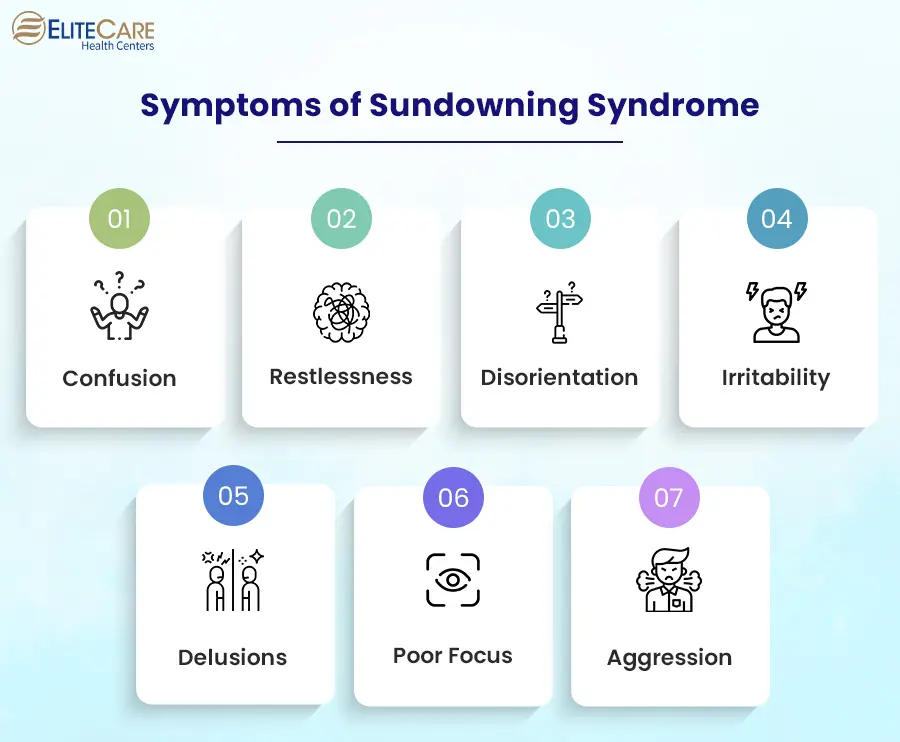

Introduction: As the sun sets and darkness descends, some elderly individuals experience a phenomenon known as sundowning in elderly. Sundowning refers to a cluster of symptoms, including confusion, agitation, and mood swings, that tend to worsen in the late afternoon and evening. Understanding this phenomenon is crucial for caregivers, family members, and healthcare professionals to provide the necessary support and enhance the quality of life for those affected. In this blog, we'll delve into the details of sundowning, explore its potential causes, and discuss strategies to manage and alleviate its impact on the elderly.
Unpacking Sundowning:
Defining Sundowning: Sundowning is not a specific disease but rather a set of symptoms that occur at a specific time of day. Common symptoms include increased confusion, anxiety, restlessness, and mood swings. It is often observed in individuals with Alzheimer's disease or other forms of dementia, though it can also affect elderly individuals without cognitive impairments.
The Role of Circadian Rhythms: The body's internal clock, or circadian rhythms, plays a significant role in sundowning. Disruptions to these rhythms, which can be caused by aging, changes in lighting, or certain medical conditions, may contribute to the intensification of symptoms during the evening hours.
Potential Causes of Sundowning:
Fatigue and End-of-Day Exhaustion: The cumulative effects of daily activities, cognitive exertion, and physical fatigue can contribute to increased confusion and irritability as the day progresses. Providing regular breaks and managing energy levels throughout the day may help mitigate these effects.
Sensory Overload: Overstimulation from noise, bright lights, or crowded spaces can be overwhelming for elderly individuals, leading to heightened confusion and anxiety. Creating a calm and soothing environment, especially during the evening, can help alleviate these stressors.
Medication Side Effects: Certain medications may have side effects that become more pronounced later in the day, contributing to sundowning. Regular medication reviews with healthcare professionals can help identify and adjust medications as needed.
Strategies for Managing Sundowning:
Establishing a Consistent Routine: Consistency is key in managing sundowning. Establishing a predictable daily routine can help regulate circadian rhythms and provide a sense of security for individuals experiencing sundowning symptoms.
Creating a Relaxing Environment: As the day progresses, create a calming atmosphere by reducing noise and bright lights. Soft music, gentle lighting, and comfortable surroundings can contribute to a more relaxed state of mind.
Encouraging Physical Activity: Engaging in mild physical activities during the day can promote better sleep patterns and reduce restlessness in the evening. However, avoid strenuous activities close to bedtime.
Conclusion:
Understanding sundowning is the first step in providing compassionate care for the elderly experiencing these symptoms. By implementing strategies that address potential causes and create a supportive environment, caregivers and loved ones, along with the dedicated professionals at Elite Care Health Centers, can contribute to a more comfortable and peaceful evening for those affected by sundowning. With patience, empathy, and a holistic approach, we can enhance the well-being of our elderly population during this challenging time of day.





























Sign in to leave a comment.