
Introduction:
Blood pressure is an essential measure of our overall health, indicating the force exerted by the blood against the walls of our arteries. While high blood pressure (hypertension) is a commonly discussed condition, low blood pressure (hypotension) can also pose significant challenges. Low blood pressure occurs when the pressure within the arteries is lower than normal, which can lead to symptoms and potential complications. In this blog, we will explore the causes, symptoms, and strategies to navigate the challenges of low blood pressure. Low blood pressure, also known as hypotension, can pose unique challenges to individuals' health and well-being. While high blood pressure often takes the spotlight in discussions about cardiovascular health, low blood pressure deserves attention as well. Understanding the causes, symptoms, and potential complications associated with low blood pressure is essential for effectively navigating this condition. In this article, we will explore the intricacies of low blood pressure and provide insights into managing its challenges.
Understanding Low Blood Pressure:
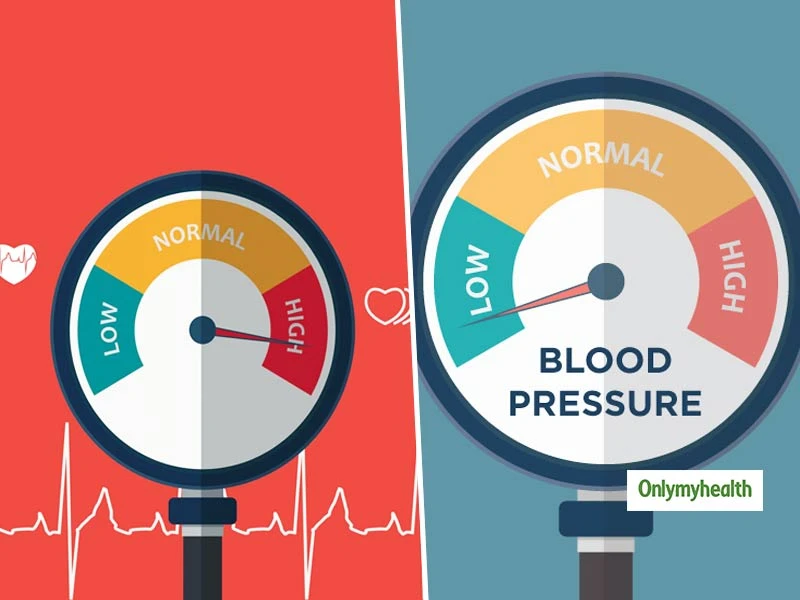
Normal blood pressure is typically around 120/80 mmHg. However, low blood pressure is generally considered to be a reading below 90/60 mmHg. While low blood pressure is often asymptomatic and not a cause for concern, some individuals may experience discomfort and complications.
Causes of Low Blood Pressure:
Dehydration: Inadequate fluid intake can lead to a drop in blood pressure.Medications: Certain medications, such as those used to treat high blood pressure, diuretics, or alpha blockers, can cause a decrease in blood pressure.Heart conditions: A weak heart, heart valve problems, or heart attack can lead to low blood pressure.Endocrine disorders: Thyroid conditions, adrenal insufficiency, or diabetes can contribute to low blood pressure.Pregnancy: Blood pressure tends to decrease during early pregnancy but usually returns to normal as the pregnancy progresses.Nutritional deficiencies: Lack of essential nutrients like vitamin B12 and folic acid can cause low blood pressure.Symptoms of Low Blood Pressure:
Dizziness or lightheadedness: Feeling faint, especially when getting up from a sitting or lying position.Fatigue: Persistent tiredness and lack of energy.Blurred vision: Temporary loss of clarity in vision.Rapid or shallow breathing: Shortness of breath or difficulty breathing.Nausea and vomiting: Feeling queasy or vomiting.Pale skin: A paleness or clamminess of the skin due to reduced blood flow.Cold, sweaty, or clammy skin: The skin may feel cold and moist to the touch.Fainting: In severe cases, a sudden loss of consciousness may occur.Navigating the Challenges of Low Blood Pressure:
Stay hydrated: Drinking an adequate amount of water can help maintain blood volume and prevent dehydration, which can contribute to low blood pressure.Rise slowly: To minimize dizziness, take your time when transitioning from a lying or sitting position to standing.Eat small, frequent meals: Consuming smaller meals throughout the day can prevent a sudden drop in blood pressure after eating.Avoid prolonged standing: If you need to stand for long periods, try moving your legs or shifting your weight occasionally to promote blood flow.Wear compression stockings: These stockings can help improve circulation and prevent blood from pooling in the legs.Adjust medication dosage: If medication is causing low blood pressure, consult with your healthcare provider about potential adjustments or alternative options.Increase salt intake: In consultation with a healthcare provider, increasing your salt intake slightly may help raise blood pressure. However, this should be done under supervision, particularly for individuals with conditions such as kidney problems or high blood pressure.Exercise regularly: Regular physical activity can improve overall cardiovascular health and help regulate blood pressure.Avoid hot environments: Heat can cause blood vessels to dilate, leading to a drop in blood pressure. Be cautious and stay hydrated in hot weather or while using hot tubs or saunas.Speak with a healthcare professional: If you are experiencing persistent symptoms or have concerns about your blood pressure, consult with a healthcare provider for an accurate diagnosis and appropriate management.Conclusion:
In conclusion, low blood pressure can present various challenges to individuals, impacting their daily lives and overall well-being. However, by understanding the causes, recognizing the symptoms, and implementing appropriate strategies, it is possible to navigate these challenges effectively. Maintaining a healthy lifestyle, staying hydrated, adjusting medications when necessary, and seeking guidance from healthcare professionals are crucial steps in managing low blood pressure. Remember, everyone's experience with low blood pressure may differ, so it's important to consult with a healthcare provider for personalized advice and support. With the right knowledge and proactive approach, individuals with low blood pressure can lead fulfilling lives and mitigate the obstacles posed by this condition. While low blood pressure can present challenges, understanding its causes, symptoms, and implementing appropriate strategies can help navigate this condition effectively. It is important to remember that individual experiences may vary, and it's crucial to seek guidance from a healthcare professional for a tailored approach to managing low blood pressure. By making informed lifestyle choices and collaborating with your healthcare provider, you can maintain your well-being and lead a fulfilling life despite the challenges posed by low blood pressure.



























Sign in to leave a comment.