
Introduction
The adoption of Electronic Health Records (EHR) has revolutionized healthcare delivery, streamlining patient information management and enhancing clinical workflows. As healthcare organizations transition from paper-based systems to digital platforms, the Electronic Health Records (EHR) market continues to witness significant growth and innovation. In this comprehensive analysis, we explore the EHR market landscape, highlighting key trends, challenges, and opportunities shaping the industry's trajectory.
Overview of the EHR Market
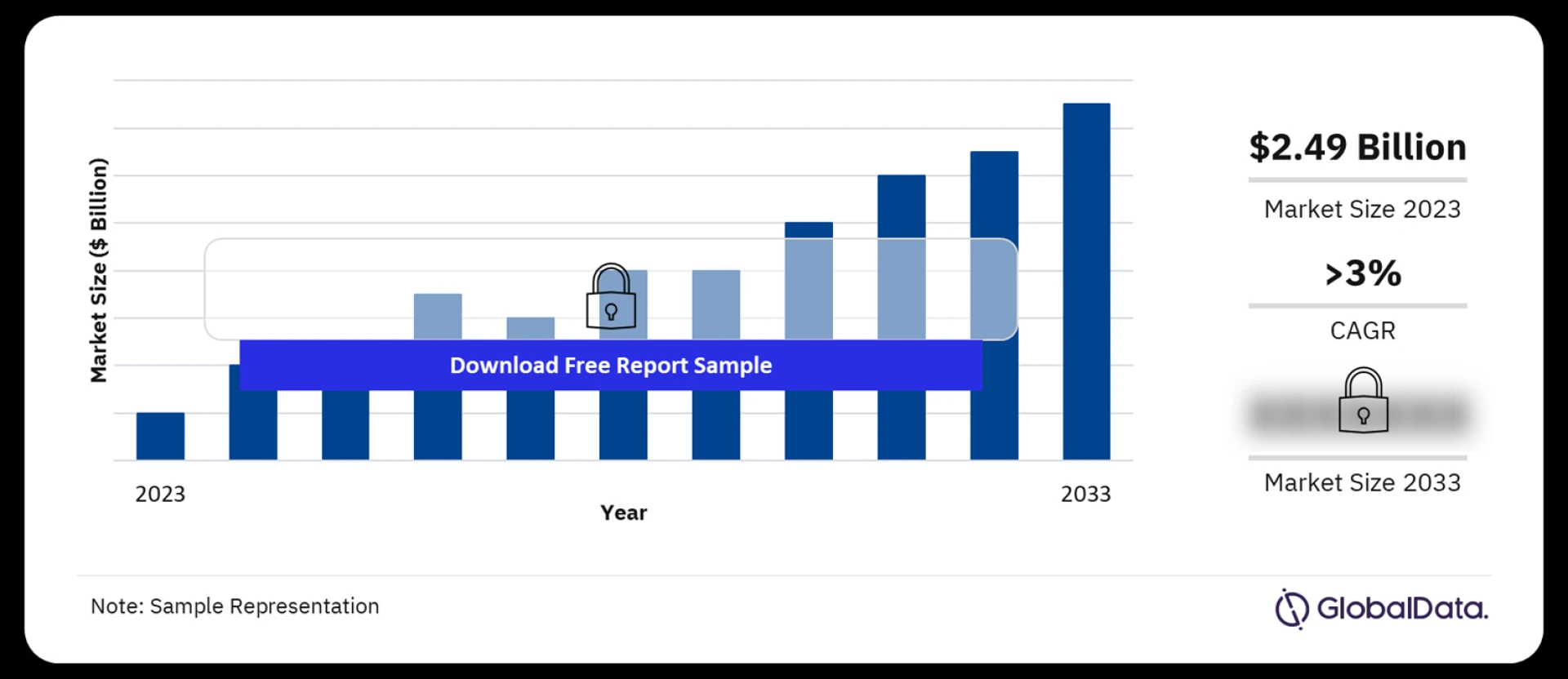
The global Electronic Health Records (EHR) market is experiencing exponential growth, driven by factors such as government initiatives promoting healthcare digitization, increasing demand for integrated healthcare solutions, and advancements in health information technology. Market players encompass a diverse range of stakeholders, including EHR vendors, healthcare providers, IT companies, and regulatory bodies, collectively contributing to the market's dynamism and innovation.
Trends Driving Market Growth
Interoperability and Data Exchange
Interoperability remains a top priority for healthcare organizations seeking to optimize EHR utilization and enhance care coordination. The ability to seamlessly exchange health information across disparate systems facilitates clinical decision-making, improves care transitions, and empowers patients to actively participate in their healthcare journey. As a result, EHR vendors are increasingly focusing on standardizing data formats and developing interoperable solutions to address the industry's evolving interoperability needs.
Cloud-Based EHR Solutions
The adoption of cloud-based EHR solutions is gaining momentum, offering scalability, flexibility, and cost-effectiveness to healthcare organizations. Cloud-based platforms enable remote access to patient records, facilitate real-time collaboration among care teams, and ensure data security through robust encryption and backup mechanisms. As healthcare providers prioritize digital transformation, cloud-based EHR solutions emerge as a viable option for streamlining operations and enhancing clinical efficiency.
Artificial Intelligence and Predictive Analytics
Artificial Intelligence (AI) and Predictive Analytics are reshaping the EHR landscape, empowering healthcare organizations to derive actionable insights from vast amounts of clinical data. AI-powered EHR systems leverage machine learning algorithms to identify treatment patterns, predict disease outcomes, and personalize patient care. By harnessing the power of AI, healthcare providers can improve diagnostic accuracy, optimize treatment protocols, and reduce healthcare costs through preventive interventions.
Challenges and Considerations
Data Privacy and Security
Protecting patient data from cyber threats and privacy breaches remains a critical concern for healthcare organizations deploying EHR systems. With the increasing digitization of healthcare records, safeguarding sensitive information against unauthorized access and data breaches is paramount. EHR vendors must adhere to stringent security protocols and encryption standards to mitigate cybersecurity risks and uphold patient confidentiality.
User Experience and Workflow Integration
User experience and workflow integration are key determinants of EHR adoption and usability. Complex interfaces, cumbersome documentation processes, and interoperability challenges can impede user satisfaction and workflow efficiency. EHR vendors must prioritize usability testing and user-centric design principles to create intuitive interfaces that streamline clinical workflows and enhance user productivity.
Regulatory Compliance and Standards
Navigating regulatory requirements and compliance standards poses challenges for EHR vendors operating in diverse geographical regions. Variations in data protection laws, privacy regulations, and healthcare policies necessitate comprehensive compliance strategies to ensure adherence to regulatory frameworks. EHR vendors must stay abreast of regulatory updates and industry guidelines to maintain compliance and mitigate legal risks.
Strategies for Success
Innovation and Product Differentiation
Innovation is the cornerstone of success in the EHR market, with companies leveraging emerging technologies to differentiate their products and gain competitive advantage. Investing in research and development to introduce cutting-edge features, such as natural language processing, telemedicine, and wearable integrations, can position EHR vendors as industry leaders and catalyze market growth.
Collaborative Partnerships
Collaborative partnerships between EHR vendors, healthcare providers, and technology partners foster innovation, knowledge sharing, and market expansion. By establishing strategic alliances with healthcare organizations and academic institutions, EHR vendors can gain insights into clinical needs, accelerate product development, and enhance market penetration.
Continuous Education and Training
Empowering end-users with comprehensive education and training programs is essential for maximizing EHR utilization and optimizing clinical outcomes. EHR vendors should offer ongoing training sessions, webinars, and user guides to equip healthcare professionals with the skills and knowledge required to effectively navigate EHR systems and leverage advanced features.
Conclusion
In conclusion, the Electronic Health Records (EHR) market presents abundant opportunities for innovation, growth, and transformation. By embracing emerging trends, addressing key challenges, and implementing strategic initiatives, EHR vendors can catalyze digital healthcare advancement and deliver value to patients, providers, and stakeholders alike. With a steadfast commitment to quality, security, and usability, the EHR market continues to evolve, enabling healthcare organizations to thrive in an era of digital health.
Buy the Full Report for Detailed Insights on the Electronic Health Records (EHR) Market Forecast,
Download a Free Sample Report




























Sign in to leave a comment.