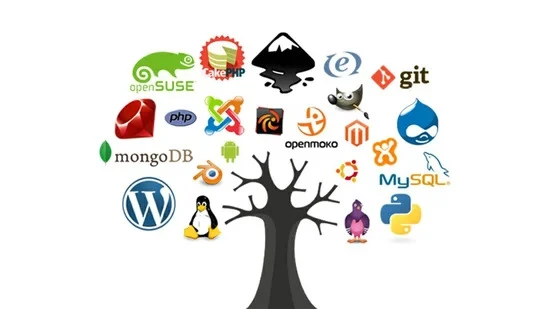

Open Source Software (OSS) has revolutionized the tech industry, offering a plethora of benefits to businesses and individuals alike. However, navigating the OSS landscape can be daunting for newcomers and veterans alike. In this comprehensive guide, we delve into the intricacies of open source software, providing you with the essential knowledge to navigate this vibrant ecosystem effectively.
Understanding Open Source Software
Open Source Software, often abbreviated as OSS, refers to software with its source code made available under a license allowing users to study, modify, and distribute the software to anyone and for any purpose. This model fosters collaboration and innovation, as developers worldwide can contribute to improving the software.
Key Characteristics of Open Source Software
1. Transparency
Open source software provides transparency into the underlying code, allowing developers to understand how the software works and make improvements or modifications as needed.
2. Community-driven Development
The development of open source software relies on a community of contributors who collaborate to enhance the software's features, security, and performance.
3. Cost-effectiveness
Open source software is often free to use, making it an attractive option for businesses and individuals seeking cost-effective solutions without compromising quality.
Benefits of Open Source Software
1. Flexibility and Customization
Open source software offers unparalleled flexibility, allowing users to customize the software according to their specific needs and preferences.
2. Security
The transparent nature of open source software promotes security, as vulnerabilities can be quickly identified and addressed by the community of developers.
3. Innovation
The collaborative nature of open source development fosters innovation, as developers worldwide contribute their expertise and ideas to improve the software.
Navigating the Open Source Landscape
1. Choosing the Right Software
When selecting open source software for your project or business, consider factors such as the community support, documentation, and compatibility with your existing systems.
2. Evaluating Community Support
Assess the size and activity of the community surrounding the open source software, as active communities typically indicate robust support and ongoing development.
3. Reviewing Documentation
Thoroughly review the documentation provided for the open source software, as comprehensive documentation can streamline the implementation process and troubleshooting.
4. Assessing Licensing
Understand the licensing terms associated with the open source software to ensure compliance with legal requirements and to avoid potential conflicts.
Challenges of Open Source Software Adoption
1. Integration Complexity
Integrating open source software into existing IT infrastructure can be complex and time-consuming, requiring careful planning and expertise.
2. Maintenance and Support
While open source software is community-supported, businesses may still require additional support and maintenance services to ensure optimal performance and reliability.
3. Security Concerns
Despite the transparent nature of open source software, security vulnerabilities can still arise, necessitating vigilant monitoring and prompt updates.
Conclusion
Navigating the open source software landscape requires a combination of understanding the fundamental principles of OSS, evaluating the available options, and addressing potential challenges. By harnessing the benefits of open source software and mitigating its challenges, businesses and individuals can leverage this dynamic ecosystem to drive innovation and success.

































Sign in to leave a comment.