

In today's connected world, every network depends on secure and reliable connections. Whether you are installing Ethernet cabling in an office, setting up telecommunications infrastructure, or maintaining data centers, choosing high quality network connectors and the right connector tools is essential for achieving consistent performance. Poor quality connectors or improper termination can lead to signal loss, network downtime, and costly repairs.
Professional installers rely on durable network cable connectors and precision connector tools to ensure every cable delivers optimal performance. From RJ45 connectors for Ethernet networks to telecom connectors used in voice and communication systems, selecting the right products makes installation faster, easier, and more dependable.
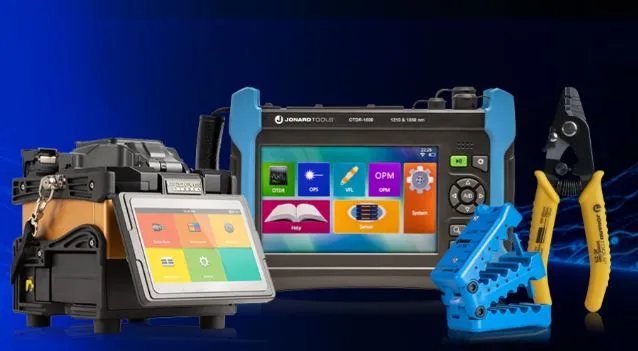
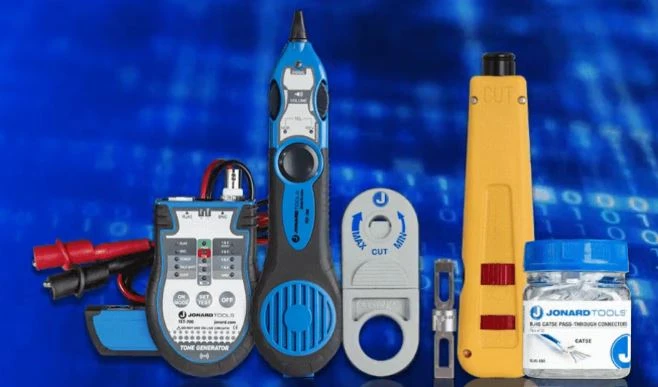
Jonard Tools offers a wide range of professional connector tools designed to help technicians terminate, repair, and maintain network cables with confidence. Built for reliability and precision, these tools support today's high speed networking requirements while improving installation efficiency.
Why Quality Network Connectors Matter
Every network cable requires a secure termination point. A properly installed connector ensures electrical continuity, minimizes signal interference, and maintains network speeds. Inferior connectors or improper installation can introduce packet loss, intermittent connectivity, or complete network failure.
High quality network connectors provide several important benefits:
- Reliable signal transmission
- Improved network performance
- Secure mechanical connection
- Reduced maintenance requirements
- Longer cable lifespan
- Consistent installation quality
For commercial networks, structured cabling systems, and enterprise environments, quality connectors are an investment in long-term reliability.
Common Types of Network Connectors
Different networking applications require different connector types. Understanding their purpose helps installers choose the right solution for each project.
RJ45 Connectors
RJ45 connectors are the most common Ethernet connectors used in:
- Office networks
- Residential internet installations
- Data centers
- Security camera systems
- Industrial networking
These connectors support Cat5e, Cat6, Cat6A, and higher-performance Ethernet cables.
Keystone Jacks
Keystone jacks provide organized cable termination inside wall plates and patch panels. They simplify cable management while creating professional looking installations.
Modular Plugs
Modular plugs are used in both networking and telecommunications systems. Precision termination ensures stable connectivity for voice and data communication.
Shielded Connectors
Shielded connectors reduce electromagnetic interference (EMI), making them ideal for industrial facilities, hospitals, manufacturing plants, and environments with electrical noise.
Understanding Network Cable Connectors
Network cable connectors are specifically designed to terminate twisted pair Ethernet cables while preserving signal quality. Modern connectors support increasing network speeds, including Gigabit and 10-Gigabit Ethernet installations.
Professional installers choose connectors that offer:
- Accurate wire alignment
- Strong locking tabs
- Durable construction
- Easy termination
- Compatibility with various cable categories
Using compatible connectors ensures maximum network performance while reducing installation errors.
Telecom Connectors for Communication Networks
Beyond Ethernet installations, telecom connectors remain essential in communication systems. Telecommunications professionals frequently install connectors for:
- Telephone distribution systems
- Voice communication networks
- PBX installations
- Broadband infrastructure
- Service provider networks
Reliable telecom connectors help maintain clear communication while supporting long-term infrastructure reliability.
Why Connector Tools Are Essential
Installing connectors by hand without proper tools often results in inconsistent terminations. Professional connector tools improve installation accuracy while reducing technician fatigue.
Connector tools help by:
- Ensuring proper wire positioning
- Delivering uniform crimps
- Preventing connector damage
- Reducing installation time
- Improving termination consistency
For professionals completing multiple installations daily, high quality connector tools become indispensable.
Features to Look for in Connector Tools
Not all connector tools are built the same. Professional technicians should consider several important features before selecting tools.
Precision Crimping
Accurate crimping ensures each connector maintains secure electrical contact without damaging conductors.
Ergonomic Design
Comfortable handles reduce hand fatigue during repetitive installations.
Durable Construction
Hardened steel construction extends tool life even under heavy daily use.
Multiple Connector Compatibility
Versatile tools support different connector styles, reducing the number of tools technicians need to carry.
Consistent Performance
Professional grade tools provide repeatable results across hundreds or thousands of terminations.
Applications Across Multiple Industries
Professional network connectors are used in numerous industries where dependable connectivity is critical.
Enterprise IT
Corporate offices require structured cabling systems that support computers, servers, VoIP phones, wireless access points, and network storage.
Data Centers
High density installations depend on precision connector terminations to maximize bandwidth while minimizing downtime.
Telecommunications
Service providers rely on durable telecom connectors for dependable communication infrastructure.
Security Systems
IP surveillance cameras, access control systems, and alarm networks all require secure network cable terminations.
Industrial Automation
Factories and manufacturing plants utilize industrial Ethernet networks that demand robust connector solutions capable of operating in challenging environments.
Educational Institutions
Schools and universities deploy extensive structured cabling systems to support classrooms, administrative offices, and campus wide wireless connectivity.
Best Practices for Installing Network Connectors
Professional installation practices significantly improve network reliability.
Follow these best practices:
- Verify cable compatibility before installation.
- Strip cable jackets carefully to avoid conductor damage.
- Maintain proper twisted pair spacing.
- Follow the appropriate wiring standard.
- Use quality connector tools.
- Test every terminated cable.
- Inspect connectors before deployment.
- Label cables for future maintenance.
These steps reduce troubleshooting time while improving overall network quality.
Common Installation Mistakes to Avoid
Even experienced installers can encounter issues during cable termination.
Avoid these common mistakes:
- Using incorrect connector types
- Over stripping cable jackets
- Untwisting conductors excessively
- Poor crimp quality
- Mixing wiring standards
- Reusing damaged connectors
- Skipping cable testing
Attention to detail ensures every installation performs as intended.
Choosing Professional Connector Solutions
When selecting connector products, professionals should consider:
- Cable category compatibility
- Network speed requirements
- Environmental conditions
- Shielding requirements
- Connector durability
- Ease of installation
- Tool compatibility
Reliable manufacturers provide connectors and tools engineered for consistent field performance.
Why Professionals Choose Jonard Tools
Professional network installers trust Jonard Tools because the company's products are designed specifically for telecommunications, networking, and low voltage applications. Connector tools are manufactured with durability, precision, and ease of use in mind, helping technicians complete installations efficiently while maintaining high quality standards.
Whether installing structured cabling in commercial buildings, upgrading enterprise networks, or maintaining telecommunications infrastructure, Jonard Tools offers dependable solutions that simplify connector installation and improve productivity.
Conclusion
Reliable network infrastructure starts with quality network connectors, dependable network cable connectors, and professional telecom connectors installed using precision connector tools. Every properly terminated connection contributes to faster data transmission, reduced downtime, and long term network reliability.
By choosing professional grade connectors and tools, technicians can improve installation quality, reduce maintenance costs, and ensure today's high speed communication systems operate at peak performance. Whether working in enterprise IT, telecommunications, industrial automation, or data centers, investing in the right connector solutions helps build networks that deliver dependable performance for years to come.




























Sign in to leave a comment.