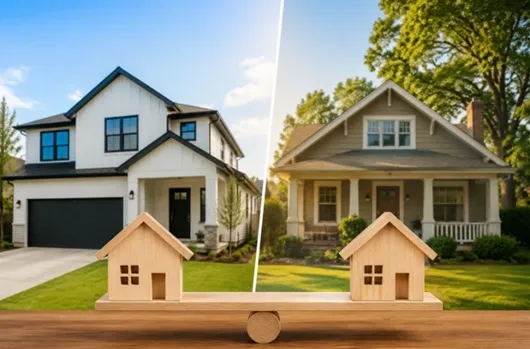

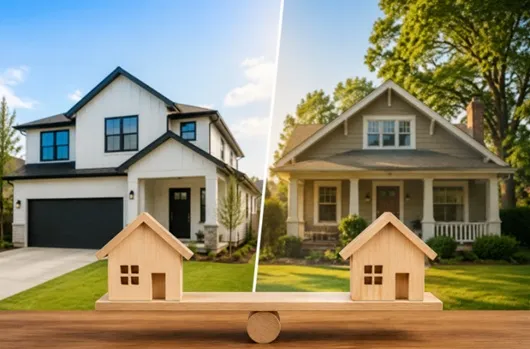
When it comes to purchasing a home, one of the most important decisions you'll face is whether to buy a new construction vs resale homes. Both options come with their own set of benefits and challenges. This article will explore the key differences between a new build and an existing home, helping you make an informed decision. By the end, you'll understand what fits your needs best, whether it's the modern amenities of a new construction or the charm of a resale home. Ready to make your move? Let's dive in!
What Is a New Construction Home?
A new construction home is a property that has never been lived in before. These homes are built from scratch, typically by a developer or builder, and are designed with the latest materials and technology. The major benefit of a new build is that everything is brand new, from the roofing to the plumbing, and it's built to meet the most current building codes and regulations. You also get the advantage of customizing your home with features such as flooring, countertops, and finishes, allowing you to create a space that perfectly suits your needs.
A new construction property might be ideal if you're looking for energy-efficient homes and fewer immediate repairs. You may check some of the finest houses for sale in Norfolk, VA, to get a perfect home with modern designs and upgraded systems, making it a perfect long-term investment.
What Is a Resale Home?
A resale home is a property that has been previously owned and lived in. These homes come with their own charm, offering established neighborhoods with mature landscaping, and often, a deeper sense of community. While a resale home may not come with the newest features, it can offer a unique character that new homes sometimes lack. Many resale homes also provide larger lots, which can be a significant factor for buyers looking for more outdoor space.
The price of a resale home can also be more affordable, depending on the location and condition of the house. If you are debating whether it is better to buy a new or resale home, resale properties often offer more value for your dollar in terms of location.
Advantages of New Construction Homes
When considering new builds, there are clear advantages that make them an appealing choice. These homes are designed with the latest features, energy-efficient systems, and low-maintenance materials. They also offer the opportunity for customization, ensuring the home fits your specific needs. Additionally, new construction homes come with warranties, which helps ease the burden of immediate repairs. Here's a breakdown of the key advantages:
- Modern Energy Efficiency: New builds feature energy-efficient insulation, appliances, and smart technology, helping reduce utility bills.
- Warranties and Lower Maintenance: Builder warranties provide peace of mind and significantly lower immediate repair costs.
- Customization and Personalization: Buyers can choose finishes, fixtures, and layouts to make the home truly their own.
- Builder Incentives: Builders often offer incentives like closing cost assistance or lower interest rates.
- Modern Amenities and Design: New homes feature open-concept layouts and community amenities such as parks and pools.
- No Renovation Necessary: Moving into a new home means no need for immediate updates or repairs.
If you're interested in viewing the newest homes available, a real estate agent can help you find the perfect property.
Advantages of Resale Homes
While the decision between new construction vs resale homes may seem straightforward, resale homes offer distinct benefits that make them an attractive option. Resale homes are often more affordable, allowing you to buy in a prime location or invest in renovations. These homes are typically located in well-established neighborhoods with mature trees and landscaping, providing character and charm right from the start. Additionally, resale homes offer the advantage of immediate possession, so you can move in right away without waiting for construction to be completed. Here are the key advantages:
- Immediate Possession & No Delays: No waiting for construction to finish, allowing you to move in without any delays.
- Prime Locations & Established Neighborhoods: Often found in central areas with schools, parks, and public transportation.
- Cost-Effectiveness: More affordable than new builds, providing better value for your money.
- Negotiation Power: Buyers can often negotiate a better price, especially if repairs are needed.
- Transparency & Quality Check: Inspect the final property before purchasing, ensuring quality.
- Lower Taxes: Resale homes may be exempt from GST, saving on costs.
- Fully Developed Amenities: Instant access to established infrastructure and amenities.
- Character & Uniqueness: Older homes often feature unique architectural designs and mature landscaping.
Factors to Consider When Choosing Between New Construction and Resale Homes
Choosing between a new construction vs resale home requires evaluating several factors based on your budget, lifestyle, and long-term plans. New homes offer modern designs, energy-efficient features, and low initial maintenance but come at a premium price. On the other hand, resale homes are often more affordable and located in established neighborhoods, but they may require immediate repairs or renovations. Here are the key factors to consider:
- Cost & Budget: New builds generally cost more due to the latest materials and designs. However, resale homes might offer more space or a better location at a lower price but could incur additional renovation costs.
- Move-in Timeline: Resale homes have quicker closing times (30-60 days), while new construction can take 6-12 months or more, especially if you're building from scratch.
- Customization vs. Convenience: New builds offer customization options, while resale homes provide "what you see is what you get."
- Maintenance & Warranty: New homes typically include warranties, reducing the need for maintenance in the early years. Resale homes may require repairs or replacements, such as for HVAC systems or roofing.
- Location & Neighborhood: Resale homes are often in established, central areas with amenities, while new homes are often in suburban or developing areas.
- Energy Efficiency & Technology: New homes are built to the latest energy codes with energy-efficient features and smart technology.
- Community Infrastructure: Resale homes are in neighborhoods with fully developed infrastructure, while new construction sites may still be developing.
Summary Table of Considerations
| Factor | New Construction | Resale Home |
| Price | Higher premium, limited negotiation | Lower, more negotiation |
| Move-in | Delayed, 6–12+ months | Fast, 30–60 days |
| Maintenance | Low, includes warranties | Higher, likely repairs |
| Design | Modern, customizable | Traditional, potential charm |
| Location | Developing areas | Established, central |
| Energy | High efficiency | Variable, can be upgraded |
| Community Infrastructure | Underdeveloped roads and amenities | Established amenities and roads |
So, should I buy a new build or existing home? The answer depends on your budget, timeline, and personal preferences. If you value modern amenities and customization, a new build may be the right fit. However, if you prefer a quicker move-in, a better location, and lower upfront costs, a resale home could be the way to go. Consider all these factors to make the best choice for you!
Finalizing Which Home Is Right for You? Taking Expert Help to Make the Right Choice!
When it comes to buying new construction vs resale home, the decision ultimately depends on your personal preferences, budget, and long-term goals. New construction homes provide the opportunity for customization and modern features, while resale homes offer the charm of established neighborhoods and potential cost savings. By weighing the factors outlined in this article, you can make an informed decision. If you're unsure about which option is right for you, connecting with real estate agents Norfolk VA can help guide you through the process.
Frequently Asked Questions
1. How do property taxes differ between new construction and resale homes?
New construction taxes are often based on the land's value initially, potentially increasing significantly once reassessed with the finished home. Resale taxes are more predictable, reflecting established assessments from previous years.
2. Can I use my own inspector for a new construction home?
Yes, hiring an independent inspector is highly recommended for new builds. They conduct phased inspections—foundation, pre-drywall, and final walkthrough - to identify structural or mechanical issues that municipal inspectors might overlook.
3. What hidden costs should I expect when buying a new build?
Beyond the base price, new builds often require post-closing expenses like window treatments, landscaping, and appliances. Additionally, "builder's fees" or site premiums can add thousands to your final closing statement.
4. Are resale homes more prone to hazardous materials like lead or asbestos?
Homes built before 1978 may contain lead-based paint, while those from the mid-20th century might have asbestos. Unlike new builds, resale properties require specific disclosures and professional testing to ensure environmental safety.



























Sign in to leave a comment.