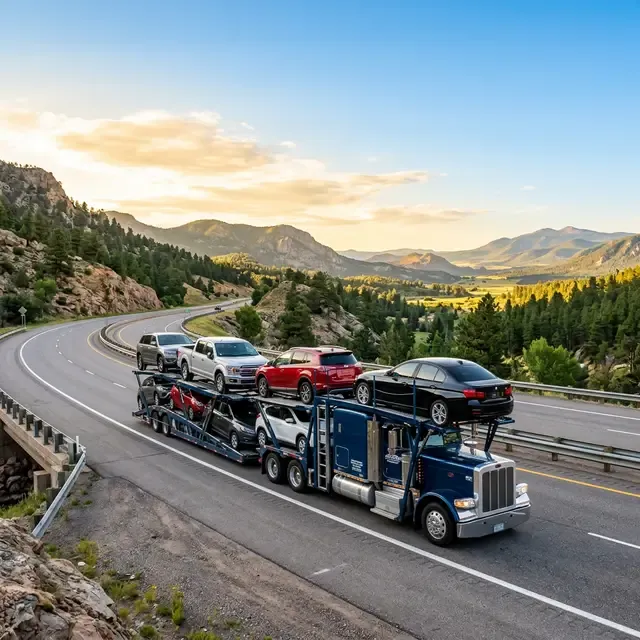

Every fall, thousands of snowbirds make the same mistake. They wait until mid-October to book their car transport. By then, every carrier heading south is full. Prices jump. Options shrink. The stress starts before the trip even begins.
New Jersey to Florida auto transport snowbirds is one of the most competitive shipping lanes in the country. It runs from September through November heading south, then reverses in March and April heading north. The carriers know it. The brokers know it. Most first-time snowbirds find out the hard way.
For anyone shipping a car on this route for the first time, New Jersey to Florida car shipping lays out the full process — from booking to delivery — with current pricing data for the corridor. That kind of route-specific detail saves real money when you use it early.
Here is what you need to know before you book.
Why the NJ-to-FL Corridor Gets Complicated Every Fall
This route is not like shipping coast-to-coast. It runs on a predictable seasonal rhythm. Carriers and brokers plan for it. Snowbirds who don't plan for it pay for it.
The corridor between New Jersey and Florida is one of the highest-volume auto transport lanes in the U.S. Every October, demand spikes almost overnight. Carriers fill up fast. Dispatch boards get jammed.
Here's the real problem. Most snowbirds book their flights, their hotels, and their snowbird communities months in advance. Then they call about the car two weeks before leaving. That gap costs money. Expect to pay $150 to $300 more for a late booking in peak season.
The Snowbird Car Transport Booking Window That Actually Works
The sweet spot is 4 to 6 weeks before your departure date. Not 2 weeks. Not 10 days. Four to six weeks.
If you're heading south in late October or early November, book in September. That window gives you access to the best carrier rates and the most flexible pickup options. It also lets you choose door-to-door service instead of scrambling for a terminal drop.
Wait until October to book a late-October departure? You'll likely face higher prices, slower dispatch, and less flexibility on pickup dates. It's not a scare tactic. It's just how the dispatch board works when 50 snowbirds try to ship the same week.
Book early. Lock in your rate. That's the move.
Open Carrier vs. Enclosed Transport: Which One Do You Actually Need?
Most snowbirds ship on open carriers. That's the right call for the majority of vehicles on this route.
Open carrier transport moves about 90% of all cars in the U.S. every year. The NJ-to-FL corridor is well-covered. Carriers run it constantly. Your Honda, Toyota, or mid-range sedan gets there in 3 to 5 days with zero issues in most cases.
The open carrier vs. enclosed transport question really comes down to your car's value. If you're driving a classic, a luxury vehicle, or anything above $60,000 in value — enclosed makes sense. You pay $400 to $700 more, but your car rides in a closed trailer with no weather or road debris exposure. For a standard daily driver heading to Boca or Fort Myers for the winter? Open is fine.
Honestly, most snowbirds who book enclosed don't need it. They book it because they're nervous. Save the money unless you genuinely own a car that warrants the extra protection.
What the Price Actually Covers — and What It Doesn't
The base rate covers pickup, transport, and delivery. That's it. Know what's not included before you sign anything.
Most quotes include basic carrier insurance — usually $100,000 in cargo coverage. That sounds like a lot. But the deductible can be $500 to $1,000. Read your contract. If you have full coverage on your personal auto insurance, call your agent before shipping. Some policies extend to transport. That can eliminate the deductible concern entirely.
Fuel surcharges are sometimes added at booking and sometimes adjusted at dispatch. Ask upfront if the rate is locked. A reputable broker gives you a firm price. If a quote feels suspiciously low, ask what triggers a price change. That's how you catch bait-and-switch pricing before it catches you.
Here's a fast comparison of what to expect by service type on the NJ-to-FL corridor:
| Service Type | Typical Cost Range | Transit Time | Best For |
| Open transport | $850 – $1,200 | 3–5 days | Most standard vehicles |
| Enclosed transport | $1,400 – $1,900 | 3–5 days | Classics, luxury, high-value |
| Terminal-to-terminal | $50–$100 less | Add 1–3 days | Flexible on timing |
| Door-to-door | Standard rate | Same | Convenience, tight timelines |
Prices rise in October and November. They drop again in summer. If you're flexible on timing, shipping in August or early September saves real money.
How to Prep Your Car Before Pickup
The driver inspects your car before loading. This step matters more than most people realize.
Walk the car with the driver. Note every scratch, ding, and scuff on the Bill of Lading before they load it. Photograph everything — all four sides, the roof, the windshield. Take timestamped photos with your phone. This is not paranoia. It is the only documentation you have if a damage claim comes up later.
Fuel level should be at about a quarter tank. Not full. Not empty. Quarter tank is the standard.
Remove toll transponders like E-ZPass. Disable dashcam hardwires if you have them. Remove anything valuable from the interior. The car goes on a truck — not in a lockbox.
One thing most people miss: check tire pressure and make sure the battery holds a charge. Drivers need to move your car on and off the carrier. A dead battery at pickup causes delays. It can also push you back in the dispatch queue.
Questions Snowbirds Ask Before Shipping South
How far in advance should I book New Jersey to Florida auto transport as a snowbird?
Book 4 to 6 weeks before your departure date. If you're leaving in October or November, book in September. Carrier space on the NJ-to-FL corridor fills fast in fall. Last-minute bookings in peak season can add $200 or more to your final price.
What does auto transport from New Jersey to Florida cost during snowbird season?
Expect $850 to $1,200 for open transport on the NJ-to-FL corridor. Prices are lowest in summer. They rise sharply from September through November as snowbird demand spikes. Enclosed transport runs $1,400 to $1,900 for the same route. Book early to lock in the lower end of those ranges.
Is open transport safe for a car shipped from New Jersey to Florida?
Yes. Open transport is safe for the vast majority of vehicles. Over 90% of all cars in the U.S. ship on open carriers every year. The NJ-to-FL route is one of the busiest and most well-run corridors in the country. Open is the right call unless your car is a classic, a luxury model, or worth more than $60,000.
Can I leave personal items in my car during transport?
Most carriers allow up to 100 lbs of personal items in the trunk. But carriers are not licensed to haul household goods. That means anything left in the car is not insured during transport. Leave valuables out. Stick to a spare tire or a bag of off-season clothing at most.
How long does it take to ship a car from New Jersey to Florida?
Transit usually runs 3 to 5 days on this corridor. Most cars pick up within 1 to 3 business days of booking. Add 1 to 2 days buffer in peak snowbird season. I-95 through Georgia and the Jacksonville stretch can add a day in high-demand windows. A flexible delivery window makes the whole process smoother.
Do I need to be present for pickup and delivery?
Yes — or someone you authorize must be there. A person must sign the Bill of Lading at both ends. That document records your car's condition before and after transport. Do not skip it. It is your only protection if a damage claim comes up later.
Get Your Timing Right and the Rest Gets Easy
Shipping your car south for the winter is not complicated. It gets complicated when you wait too long and get squeezed by peak-season demand.
Book early. Pick a firm-rate quote. Walk the car with your driver at pickup. That covers 90% of what can go wrong.
If you're coming from the Newark area and heading to Fort Lauderdale or anywhere on the southeast Florida coast, Newark to Fort Lauderdale auto transport covers current pricing and transit times for that specific corridor — useful if you want to compare options before you commit to a booking date.
The snowbirds who stress the least are the ones who treated car shipping like a flight reservation. Book it early. Confirm it. Then focus on everything else.

























Sign in to leave a comment.