Buying a used car can help you save money, but it also comes with risks. A vehicle may look clean on the outside while hiding expensive mechanical or structural problems. That is why a pre purchase inspection should always be part of your buying process. It gives you a clearer picture of the vehicle's condition before you commit to the purchase.
Many buyers focus only on the price and appearance. However, skipping a proper inspection can lead to repair bills that cost far more than expected. Whether you are buying from a private seller or a dealership, taking time for a professional inspection is a smart decision. This guide explains practical tips that help you avoid costly mistakes and make a confident purchase.
Why a Pre Purchase Inspection Is Important
A pre purchase inspection is a detailed assessment of a used vehicle before it changes ownership. It identifies existing issues that may not be visible during a quick test drive.
A professional inspection can reveal engine faults, transmission problems, worn suspension, accident damage, brake wear, and electrical issues. It also provides valuable information that helps you negotiate a fair price or decide to walk away from a risky purchase.
Choose a Qualified Mechanic Pre Purchase Service
Not every inspection offers the same level of detail. Always choose an experienced mechanic pre purchase service that specializes in used vehicle inspections.
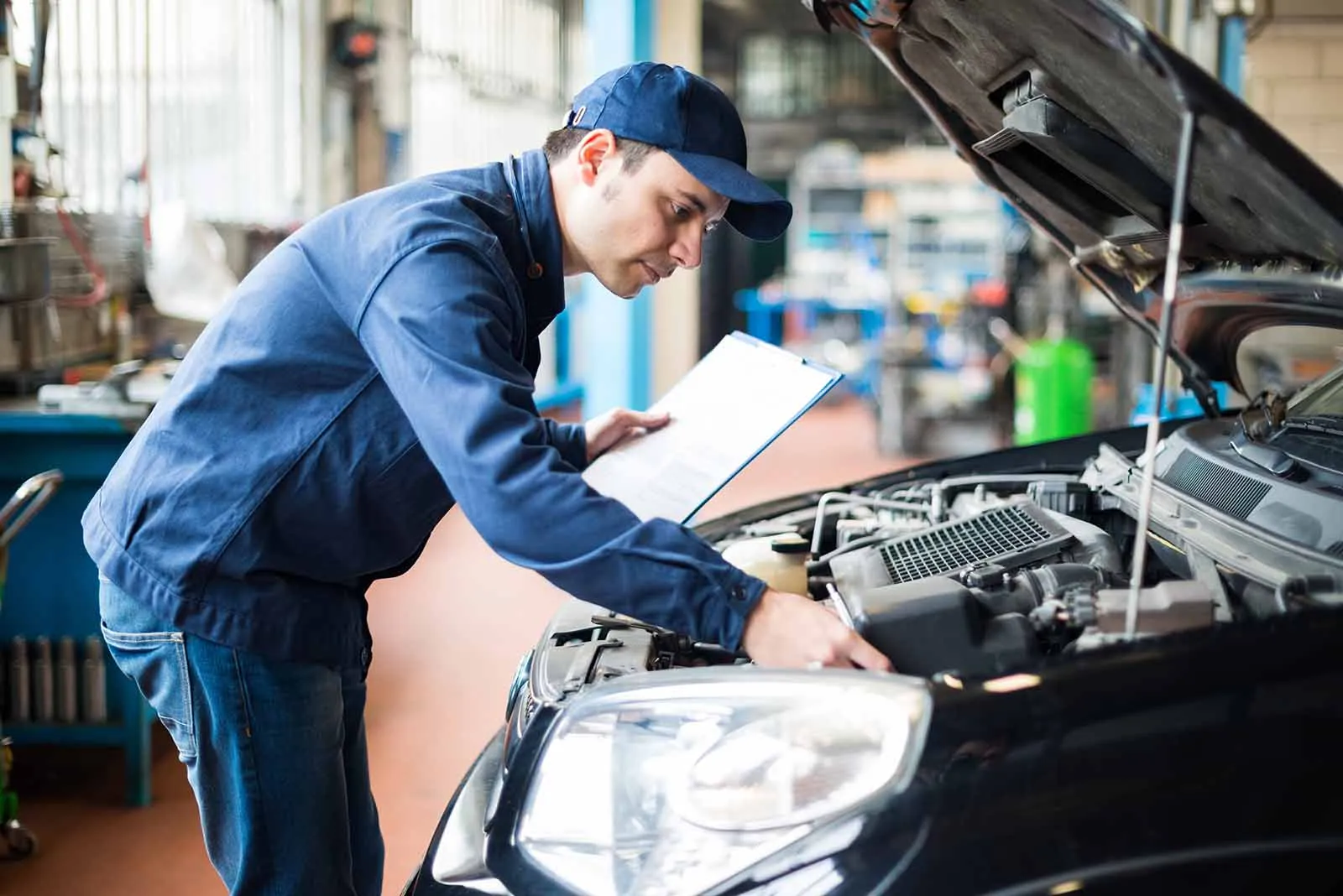
A qualified mechanic knows where hidden issues commonly appear. They use professional tools and follow a structured inspection process. Their report helps buyers understand the vehicle's true condition instead of relying on the seller's description.
What a Good Mechanic Checks
A professional mechanic pre purchase inspection usually includes:
- Engine performance
- Transmission operation
- Suspension components
- Brake system
- Steering condition
- Electrical systems
- Battery health
- Cooling system
- Fluid leaks
- Tyre wear
- Vehicle underbody
- Signs of accident repairs
These checks provide a complete overview of the vehicle's mechanical condition.
Never Skip the Vehicle History Report
Even a clean-looking vehicle may have a complicated history.
Before completing the purchase, review the vehicle history report to check for:
- Previous accidents
- Flood damage
- Finance owing
- Odometer inconsistencies
- Insurance write-offs
- Ownership history
The history report complements your pre purchase inspection by identifying problems that cannot be seen during a physical inspection.
Inspect the Car During Daylight
Lighting plays a major role when inspecting a used vehicle.
Daylight makes it easier to notice:
- Paint differences
- Rust spots
- Panel gaps
- Dents
- Scratches
- Windshield damage
Artificial lighting can hide many cosmetic defects. Whenever possible, schedule your pre purchase inspection during the day.
Take a Proper Test Drive
A test drive allows you to experience how the vehicle performs under normal driving conditions.
Pay attention to:
- Engine noise
- Gear changes
- Brake response
- Steering alignment
- Suspension comfort
- Vibrations
- Dashboard warning lights
If something feels unusual, ask your mechanic pre purchase specialist to inspect that area more closely.
Check for Signs of Poor Maintenance
Regular servicing usually indicates that the previous owner cared for the vehicle.
Look for:
- Complete service records
- Oil change history
- Timing belt replacement
- Brake servicing
- Cooling system maintenance
Missing service records may indicate neglected maintenance. Your pre purchase inspection should confirm whether the vehicle has been properly maintained.
Examine the Tyres Carefully
Tyres reveal valuable information about the vehicle's condition.
Uneven tyre wear can suggest:
- Wheel alignment issues
- Suspension damage
- Steering problems
- Poor maintenance
Replacing four tyres can become an unexpected expense. Your inspection should include tyre tread depth and overall condition.
Look Under the Vehicle
Many serious problems are hidden underneath the car.
Check for:
- Oil leaks
- Rust
- Damaged exhaust
- Suspension wear
- Frame damage
A professional pre purchase inspection includes a thorough underbody assessment that most buyers cannot perform on their own.
Verify All Electrical Features
Modern vehicles rely heavily on electronic systems.
Test every electrical component, including:
- Air conditioning
- Power windows
- Central locking
- Lights
- Reverse camera
- Parking sensors
- Infotainment system
- Dashboard displays
Electrical repairs can be expensive, so identifying faults before buying is essential.
Watch for Accident Repairs
Not every repaired vehicle is a poor purchase, but poor-quality repairs can reduce safety and resale value.
Warning signs include:
- Uneven paint finish
- Mismatched body panels
- Different paint shades
- Welding marks
- Overspray around trims
A qualified mechanic pre purchase inspection can often identify previous accident repairs that buyers might overlook.
Understand the Inspection Report
After the inspection, carefully review the report instead of focusing only on the overall result.
Most reports classify issues by severity.
Common categories include:
Minor Issues
These usually involve cosmetic damage or routine maintenance.
Examples include:
- Small scratches
- Worn wiper blades
- Minor fluid top-ups
Moderate Issues
These may require repairs soon but are not immediate safety concerns.
Examples include:
- Brake pad replacement
- Battery nearing the end of its life
- Tyres approaching wear limits
Major Issues
These can significantly affect safety or reliability.
Examples include:
- Engine problems
- Transmission faults
- Structural damage
- Major oil leaks
- Airbag system faults
Understanding these categories helps you decide whether to negotiate, request repairs, or avoid the purchase altogether.
Use the Inspection to Negotiate
A pre purchase inspection is not only about identifying faults. It also gives you reliable information for price negotiations.
If repairs are required, you can:
- Request the seller complete repairs.
- Negotiate a lower purchase price.
- Decide not to proceed if the repairs are extensive.
Having documented inspection findings makes negotiations more objective.
Common Mistakes Buyers Should Avoid
Many buyers make avoidable errors during the purchasing process.
Avoid these common mistakes:
- Buying without a pre purchase inspection
- Trusting the seller without verification
- Ignoring warning lights
- Skipping the vehicle history report
- Choosing the cheapest inspection service
- Rushing into the purchase
- Ignoring minor mechanical noises
- Failing to review service records
Taking a little extra time can prevent expensive repairs later.
Conclusion
A pre purchase inspection is one of the most valuable steps when buying a used vehicle. It helps identify hidden mechanical issues, accident damage, maintenance concerns, and potential repair costs before money changes hands. Working with a trusted mechanic pre purchase service gives you professional advice that supports a safer and more informed buying decision. A careful inspection today can save significant money and stress after the purchase.
Frequently Asked Questions
Is a pre purchase inspection worth the cost?
Yes. The inspection cost is usually much lower than unexpected repair bills caused by hidden mechanical or structural problems.
How long does a pre purchase inspection take?
Most inspections take between one and three hours, depending on the vehicle, inspection level, and testing process.
Should I get a mechanic pre purchase inspection for dealer cars?
Yes. Even dealer vehicles can have hidden issues. An independent mechanic pre purchase inspection provides an unbiased assessment before you buy.

























Sign in to leave a comment.