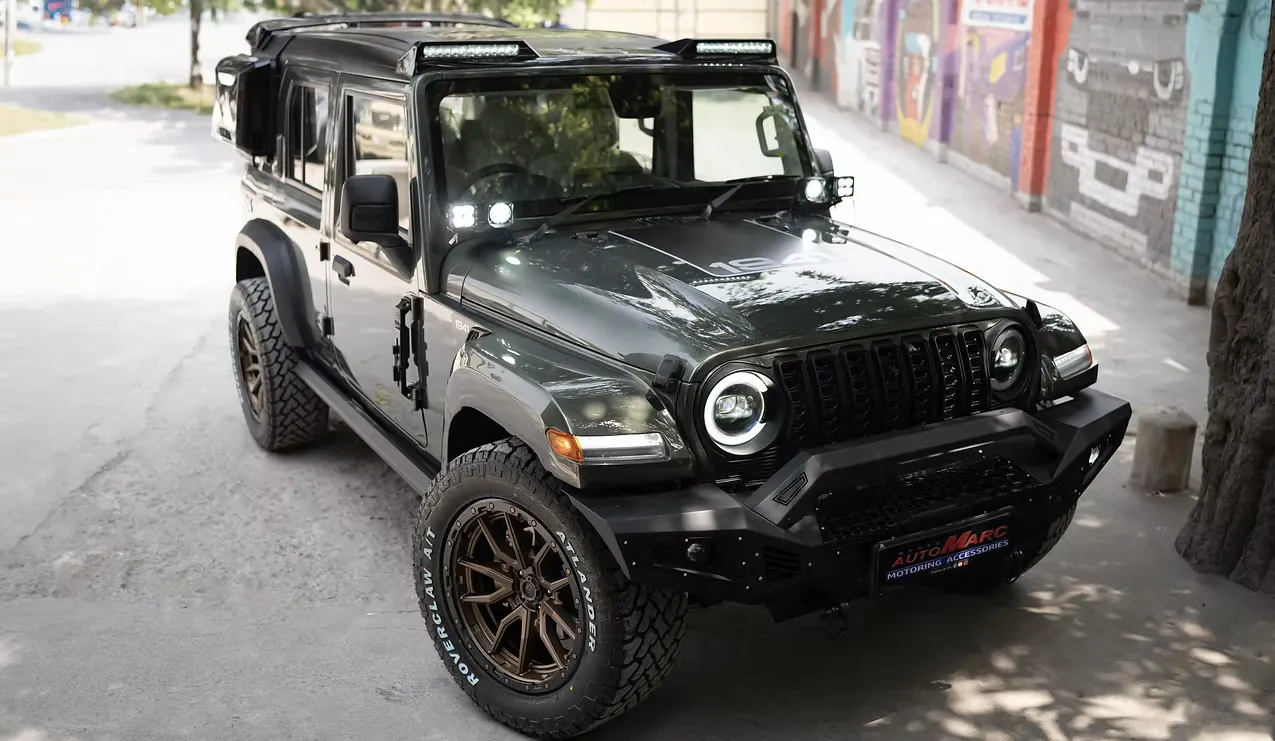

Ask ten Thar owners what to upgrade first and you'll get ten different answers, most of them based on whatever that particular owner happened to buy first, not necessarily what actually mattered most. A more useful way to think about off-road performance upgrades is as a ladder rather than a shopping list — each rung solves a problem the one before it couldn't, and jumping ahead usually just means paying for capability nobody's using yet.
Rung One: Getting the Basics Actually Trail-Ready
Nobody posts photos of skid plates. That's probably part of why this rung gets skipped so often, even though it's where the real return on investment sits.
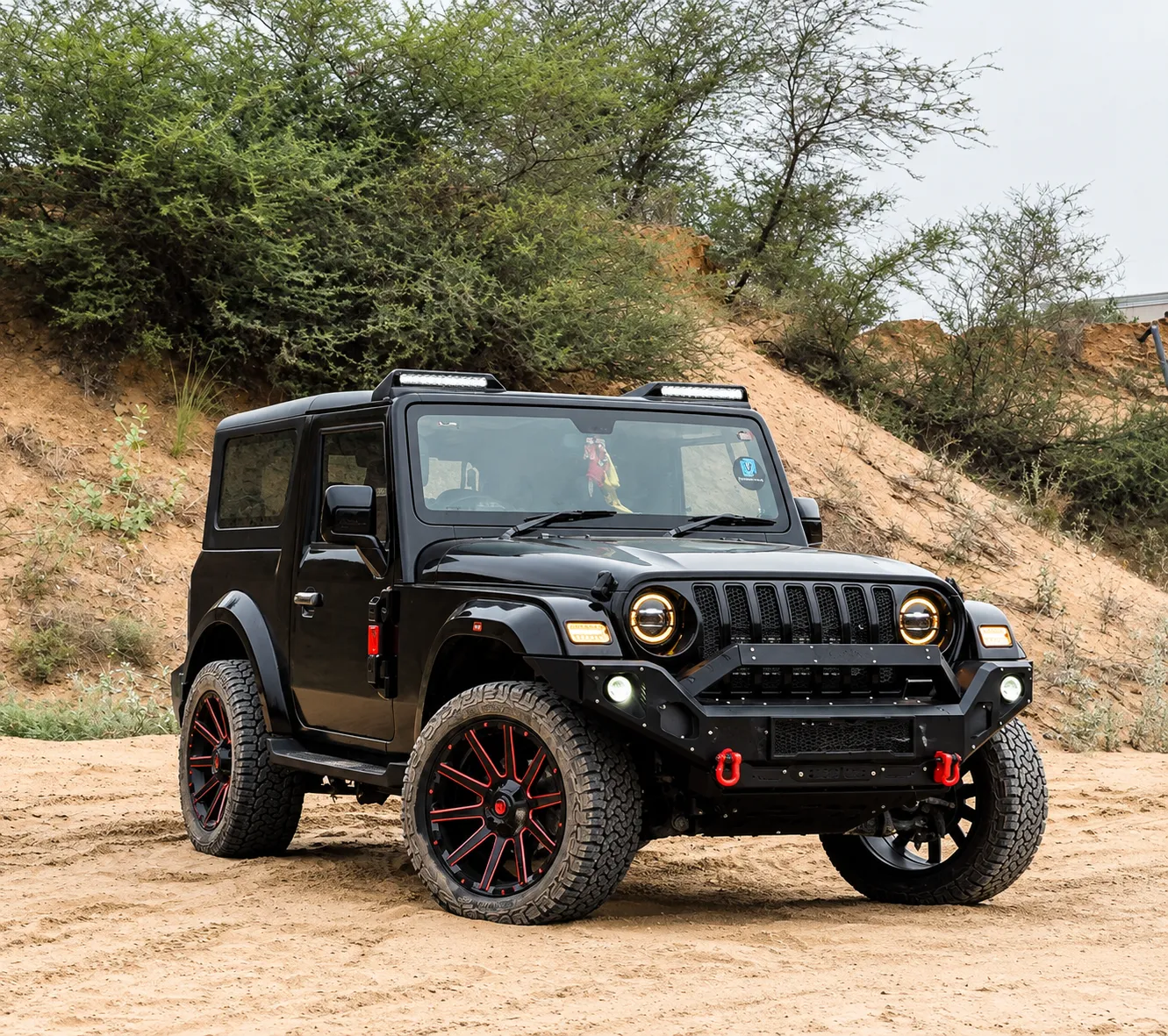
Tires come first, and there's not much debate about why — swapping stock rubber for all-terrain or mud-terrain tires does more for usable grip than anything else on this list, by a wide margin. Skid plates come right after, standing between a rock strike and a punctured fuel tank or wrecked transfer case. Neither one looks exciting. Both are the difference between a trip that continues and one that ends early with an expensive tow.
Rung Two: Extending What's Actually Possible
Once the basics are handled, the next rung stops being about protection and starts being about capability — what becomes possible that wasn't before.
Off-road lighting tops this list. Stock headlights are built around road driving, and that becomes obvious fast the moment a trail runs past dusk or under heavy tree cover. A decent LED bar or a pair of auxiliary spotlights changes that. One thing that's worth saying plainly rather than glossing over: the wiring for this needs a qualified mechanic. It's not a DIY weekend job, and a rushed electrical install can cause problems that go well beyond the light itself.
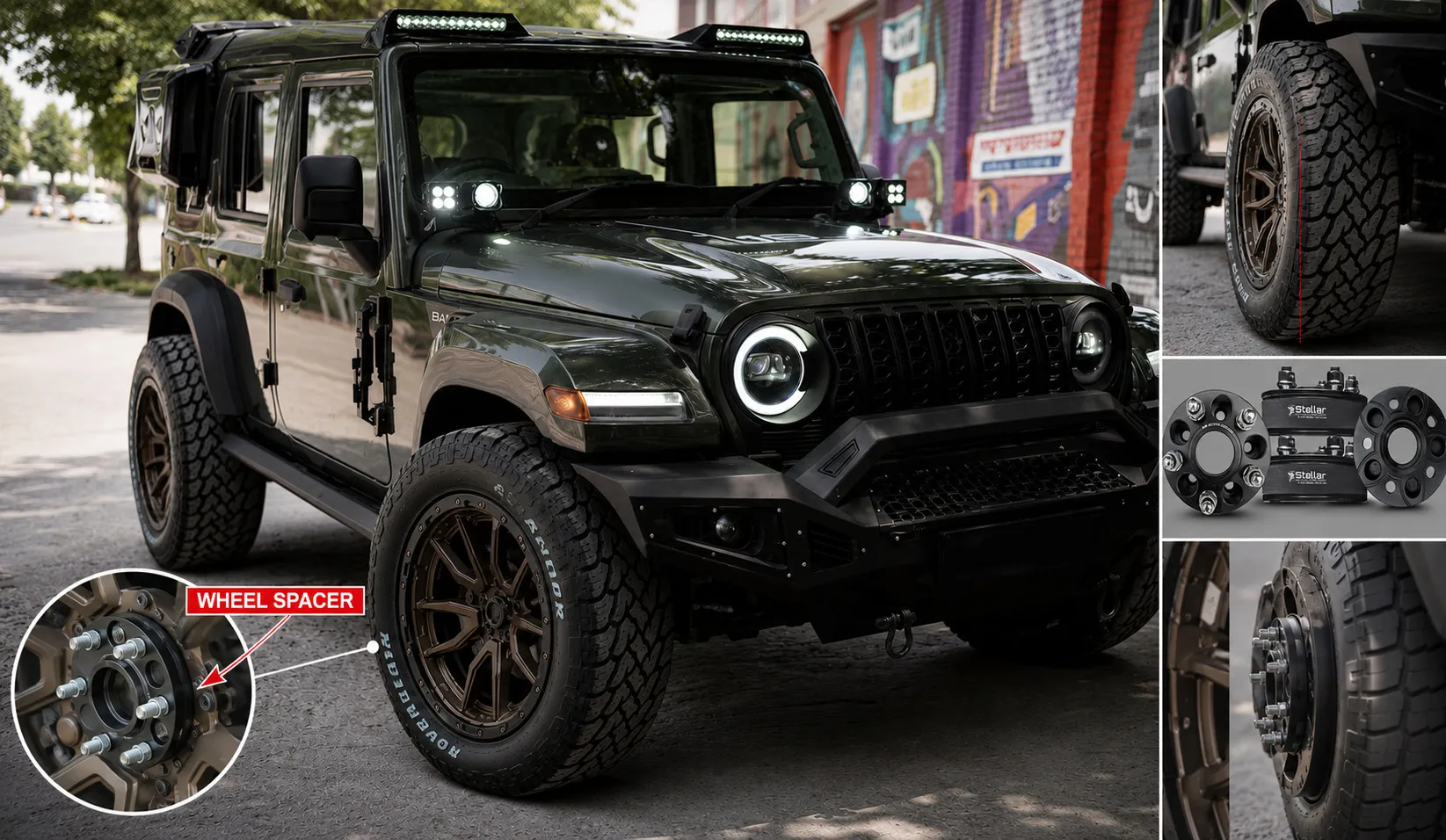
Wheel spacers or off-road-specific alloys widen the stance, which pays off the first time a trail tilts unpredictably underneath the vehicle. The catch here is fitment — spacers that aren't properly matched put uneven stress on the wheel bearings over time, so this isn't the upgrade to shop for on price alone.
Rung Three: For Owners Who've Moved Past Casual Trail Use
This is where things get more deliberate, and more expensive.
An off-road bumper improves the approach angle and gives a solid mounting point for a winch, assuming that's part of the plan. Roof racks matter once trips start running multiple days and gear needs somewhere to live that isn't the boot. Suspension work — lift kits, upgraded shocks — sits right at the top, and for good reason: it's the one change on this entire ladder that affects how the Thar handles on the road, not just off it, so it earns the most research before anyone commits to it.
The Rungs, Side by Side
| Ladder Rung | Upgrades | Typical Owner | Cost Relative to Impact |
|---|---|---|---|
| Rung One | Tires, skid plates | Occasional off-roader | Low cost, high impact |
| Rung Two | Lighting, wheels/spacers | Regular weekend trail driver | Moderate cost, strong impact |
| Rung Three | Bumper, roof rack, suspension | Serious/committed builder | Higher cost, situational impact |
Why Skipping Rungs Usually Backfires
Jumping straight to Rung Three — a big bumper, a lift kit — before Rung One is covered is one of the more common ways owners end up spending real money without actually improving anything. A Thar with an impressive bumper and stock tires still struggles the moment the ground gets loose. The visible upgrades don't make up for skipping the ones that actually do the work.
Frequently Asked Questions
Q : Does every owner eventually need to reach Rung Three?
A : Not really. Plenty of owners get everything they need out of Rungs One and Two, especially if trail use stays occasional or moderate. Rung Three is for terrain that genuinely calls for it, not a default destination.
Q : Is it cheaper to buy a whole rung at once instead of piece by piece?
A : Often, yes — a bumper and lighting kit bought and installed together tends to cost less than doing the same two things months apart, partly because the labor overlaps.
Q : What actually goes wrong if someone skips a rung?
A : Mostly wasted money — spending on a bumper or suspension work without the tires and protection underneath it means the vehicle still underperforms on the exact terrain that prompted the upgrade in the first place.
Q : How long does building out a full setup usually take?
A : Most owners spread it across several trips and several months, letting each outing reveal what's actually needed rather than guessing at the start.
Where This Leaves You
Choosing off-road performance upgrades for a Thar works best as a sequence, not a wish list. Get Rung One properly sorted, add Rung Two once trail use turns into a regular thing, and only move up to Rung Three once the terrain genuinely demands it. For sourcing parts at any rung — tires aside — Thar4x4Products carries a working range across lighting, bumpers, wheels, and roof racks worth a look when it's actually time to buy.
























Sign in to leave a comment.