

When people are new to stretching, the usual approach is picking a couple of stretches for whatever feels tightest and calling it a routine. At CastleFlexx, we'd actually suggest starting the opposite way. A structured full-body stretching routine gives beginners a much clearer, more complete starting point than piecing together a few stretches based on guesswork.
Here's why starting broad works better than starting narrow, and how to ease into a full routine without it feeling overwhelming.
Why Beginners Benefit From Structure
Without a system, it's easy to default to stretching whatever feels tight in the moment and skip everything else. That approach misses regions that may be tight without being obviously uncomfortable yet, and it doesn't build the kind of consistent, whole-body habit that produces lasting results.
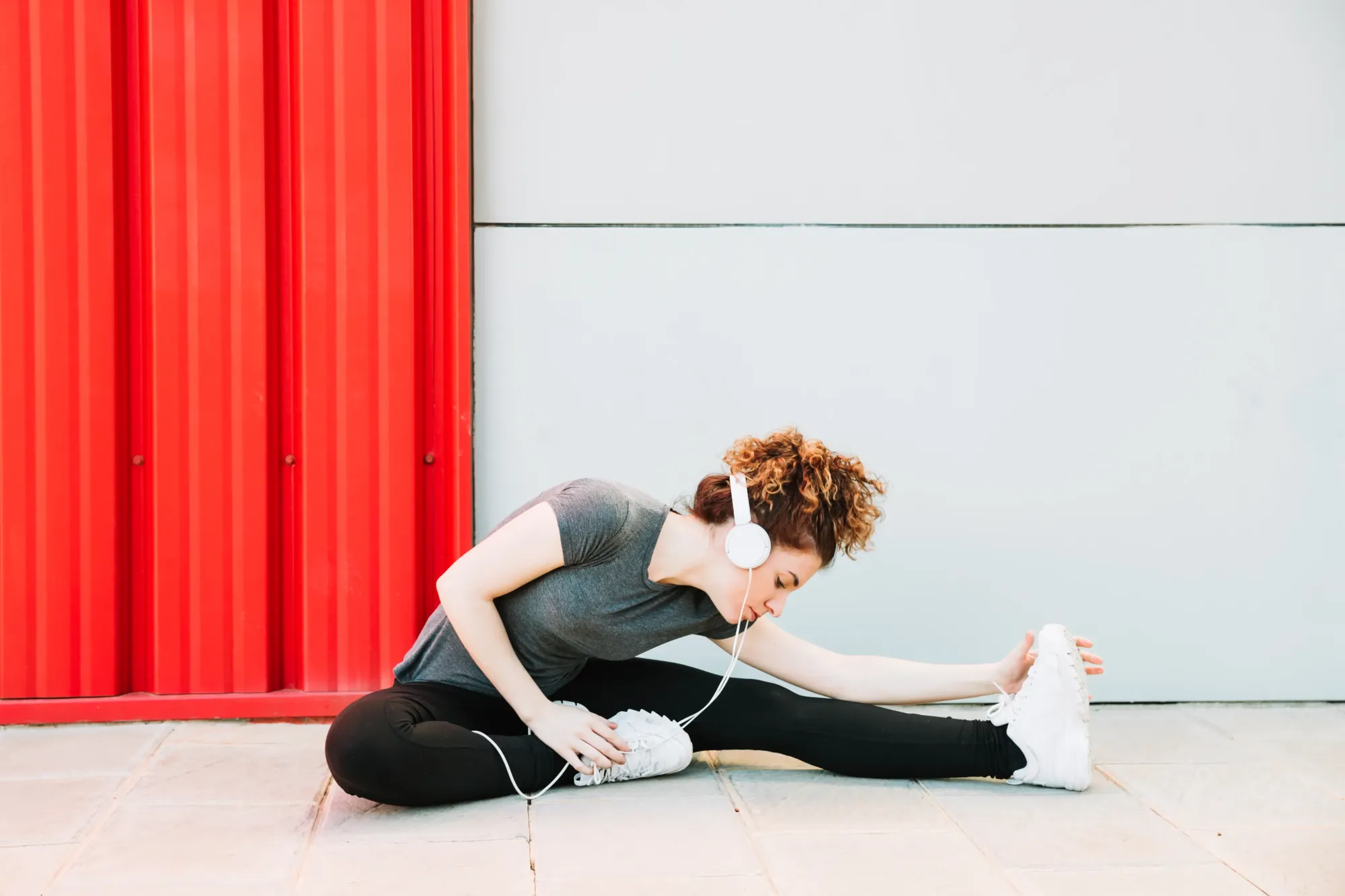
A structured routine solves this by walking through the same sequence every time, neck, upper back, lower back, hips, and legs, so nothing gets skipped simply because it wasn't the area that happened to feel tight that day.
You Don't Need to Do It Perfectly on Day One
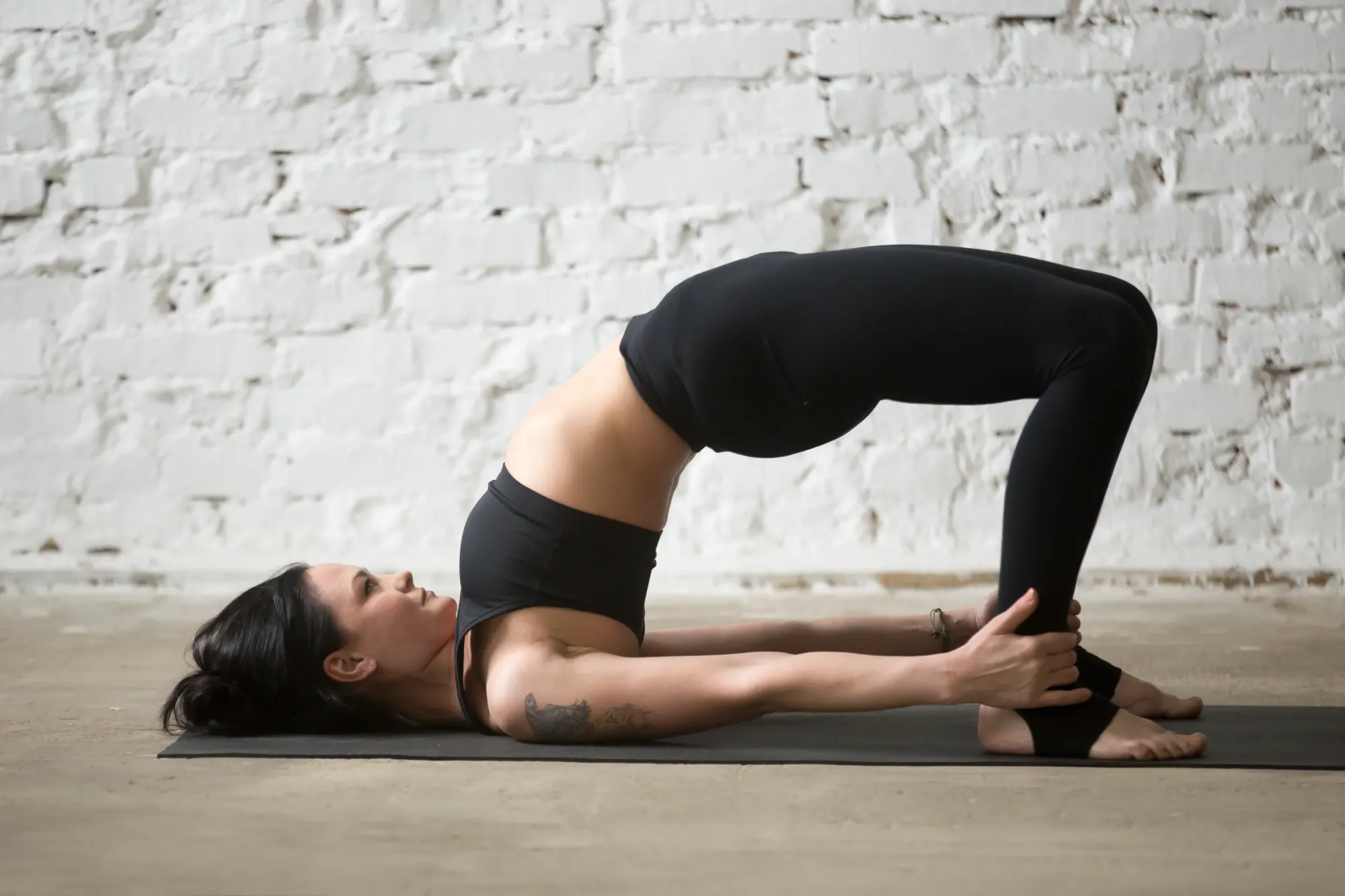
New to stretching doesn't mean you need advanced flexibility to start. Every stretch in a well-designed full body routine has beginner modifications: reduced hold times, the use of props like a yoga block or folded towel, and gentler variations of more advanced positions. The goal in the first few weeks is learning the movements and building the habit, not reaching maximum range of motion.
A Simple Way to Ease In
Beginners don't need to jump straight into a full 20-minute session at full intensity. A gradual approach tends to stick better:
- Start with shorter hold times, around 20 to 25 seconds per stretch, and build toward longer holds over two to four weeks.
- Use props freely, they make correct positioning accessible before flexibility catches up.
- Do the full sequence even if some segments feel easy, since the goal is building a complete habit, not just addressing today's tightness.
- Aim for consistency over frequency at first, two to three sessions a week is a reasonable starting point before working up to daily practice.
We put together a complete 20-minute full body stretching routine that includes beginner modifications built directly into each segment, so it's approachable from the very first session.
What to Expect as a Beginner
Most people new to stretching notice reduced daily tension within two to three weeks of consistent practice, even while still using modified versions of the stretches. More significant flexibility improvements tend to show up over six to eight weeks as the habit solidifies and range of motion naturally increases.
If you're just getting started and want a bit of extra support building the habit, we at CastleFlexx design devices built around daily lower-body mobility work. Feel free to visit us at castleflexx.com if that would help as you get going.
Frequently Asked Questions
Is a full body routine too advanced for a complete beginner?
No. A well-designed full body routine includes modifications for every stretch, like reduced hold times and prop use, making it accessible even for people who have never stretched consistently before.
How long should a beginner hold each stretch?
Starting around 20 to 25 seconds per stretch is reasonable for beginners, building toward the full 30 to 60 second range over two to four weeks as flexibility improves.
How often should someone new to stretching practice?
Two to three sessions a week is a reasonable starting point for beginners, building up toward more frequent practice as the habit becomes established.
Do I need any equipment to start a full body stretching routine?
No special equipment is required, though simple props like a yoga block or a folded towel can make certain stretches more accessible while flexibility is still developing.
How soon will a beginner notice results?
Most beginners notice reduced daily tension within two to three weeks of consistent practice, with more meaningful flexibility improvements developing over six to eight weeks.


























Sign in to leave a comment.