
Introduction
Nigeria, the most populous African nation, is experiencing a rapid transformation in its financial landscape. The country\'s burgeoning economy, coupled with a growing middle class and increasing smartphone penetration, is driving a surge in digital payments. This article delves into the dynamics of Nigeria\'s cards and payments market, exploring its key drivers, challenges, and future prospects.
The Nigerian Cards and Payments Ecosystem
Nigeria\'s cards and payments ecosystem is a complex interplay of various stakeholders, including banks, fintech companies, payment processors, regulators, and consumers. The market is characterized by a mix of traditional payment methods and emerging digital channels.
Key Drivers of Growth
- Financial Inclusion: Efforts to expand financial inclusion have led to increased access to banking services, fostering a conducive environment for electronic payments.
- E-commerce Boom: The growth of online shopping has stimulated demand for convenient and secure payment options.
- Smartphone Penetration: The increasing number of smartphone users has facilitated mobile payments and digital transactions.
- Regulatory Support: The Central Bank of Nigeria (CBN) has implemented policies to promote digital payments and reduce reliance on cash.
Challenges and Opportunities
Despite the rapid growth, the Nigerian cards and payments market faces several challenges:
- Infrastructure: Inadequate infrastructure, especially in rural areas, hinders the widespread adoption of digital payments.
- Security Concerns: Cybercrime and fraud remain significant threats to the industry.
- Financial Literacy: Low financial literacy levels can impede the adoption of digital payment solutions.
However, these challenges also present opportunities for innovative solutions and market expansion.
Payment Methods Landscape
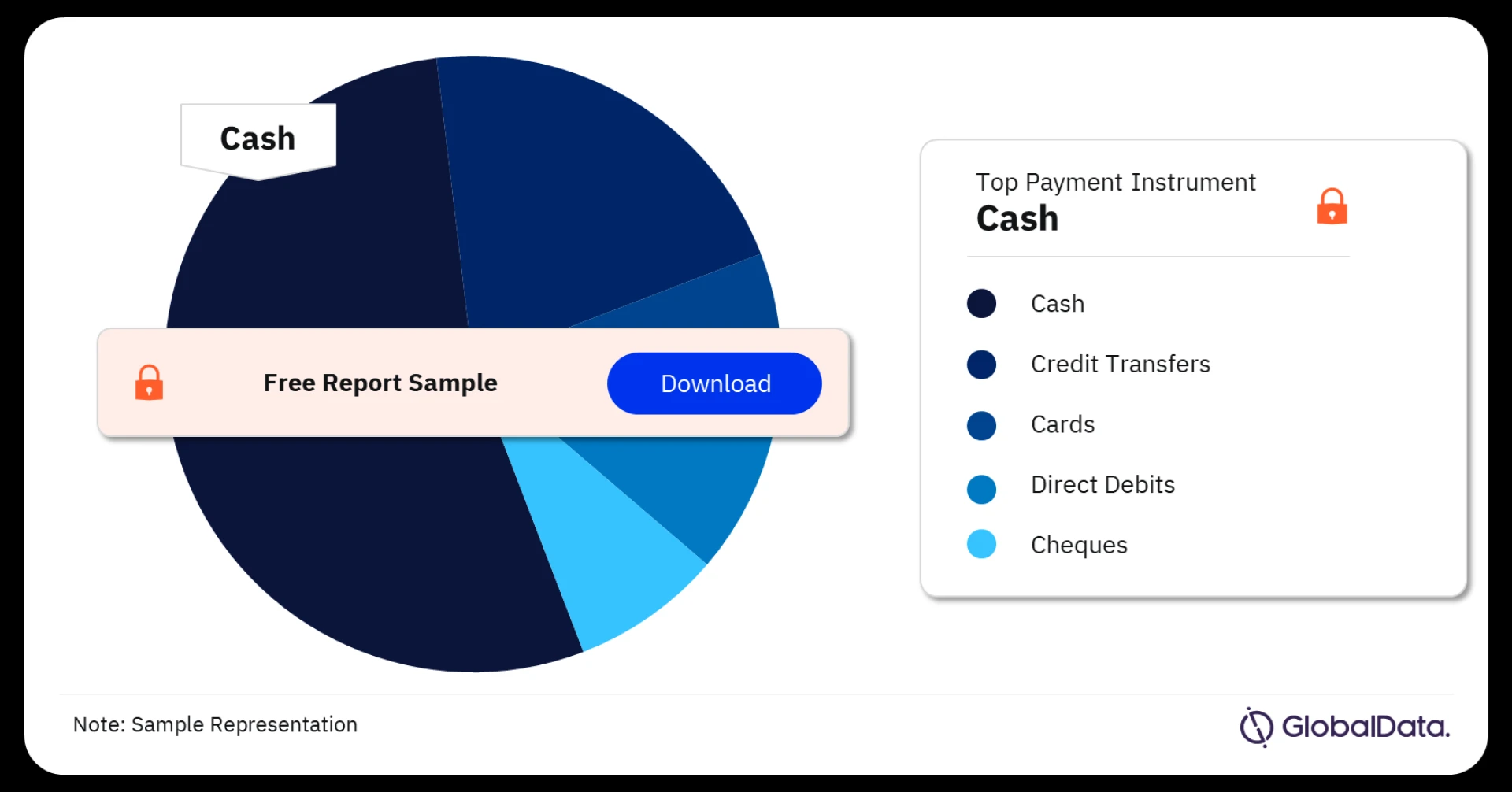
- Debit Cards: The most widely used payment instrument in Nigeria, debit cards offer convenient access to funds.
- Credit Cards: While credit card penetration is relatively low compared to other regions, it is gradually increasing.
- Mobile Money: Mobile money services have gained significant traction, especially in rural areas.
- USSD: Unstructured Supplementary Service Data (USSD) is a popular channel for mobile payments and banking services.
- QR Codes: The adoption of QR codes for payments is on the rise, offering a contactless and secure payment option.
The Role of Fintech
Fintech companies have played a pivotal role in shaping Nigeria\'s payments landscape. They have introduced innovative solutions, improved financial inclusion, and challenged traditional banking models.
- Mobile Payment Platforms: Fintech firms have developed mobile payment platforms that allow users to send and receive money, pay bills, and purchase goods and services.
- Agent Banking: Fintech companies have expanded financial access through agent networks, especially in underserved areas.
Regulatory Framework
The CBN plays a crucial role in regulating the cards and payments industry. Its policies and guidelines aim to promote financial stability, consumer protection, and innovation.
The Future of Nigeria\'s Cards and Payments Market
Nigeria\'s cards and payments market is poised for continued growth. Several trends will shape the industry\'s future:
- Increased Digital Payments: The shift towards a cashless society will accelerate, driven by convenience, security, and efficiency.
- Biometric Authentication: Biometric technologies will enhance security and convenience for users.
- Open Banking: The adoption of open banking principles will foster innovation and competition.
- Cross-Border Payments: Facilitating seamless cross-border payments will be crucial for Nigeria\'s growing international trade.
Conclusion
Nigeria\'s cards and payments market is a dynamic and rapidly evolving landscape. With the right investments in infrastructure, security, and financial literacy, the country has the potential to become a leading digital payments hub in Africa.
Buy the Report to Get More Insights into the Nigeria Cards and Payments Market Outlook, Download a Free Report Sample


























Sign in to leave a comment.